 Lesson
This lesson explores the laws of thermodynamics, moving from energy conservation to the inevitable rise of entropy in closed systems.
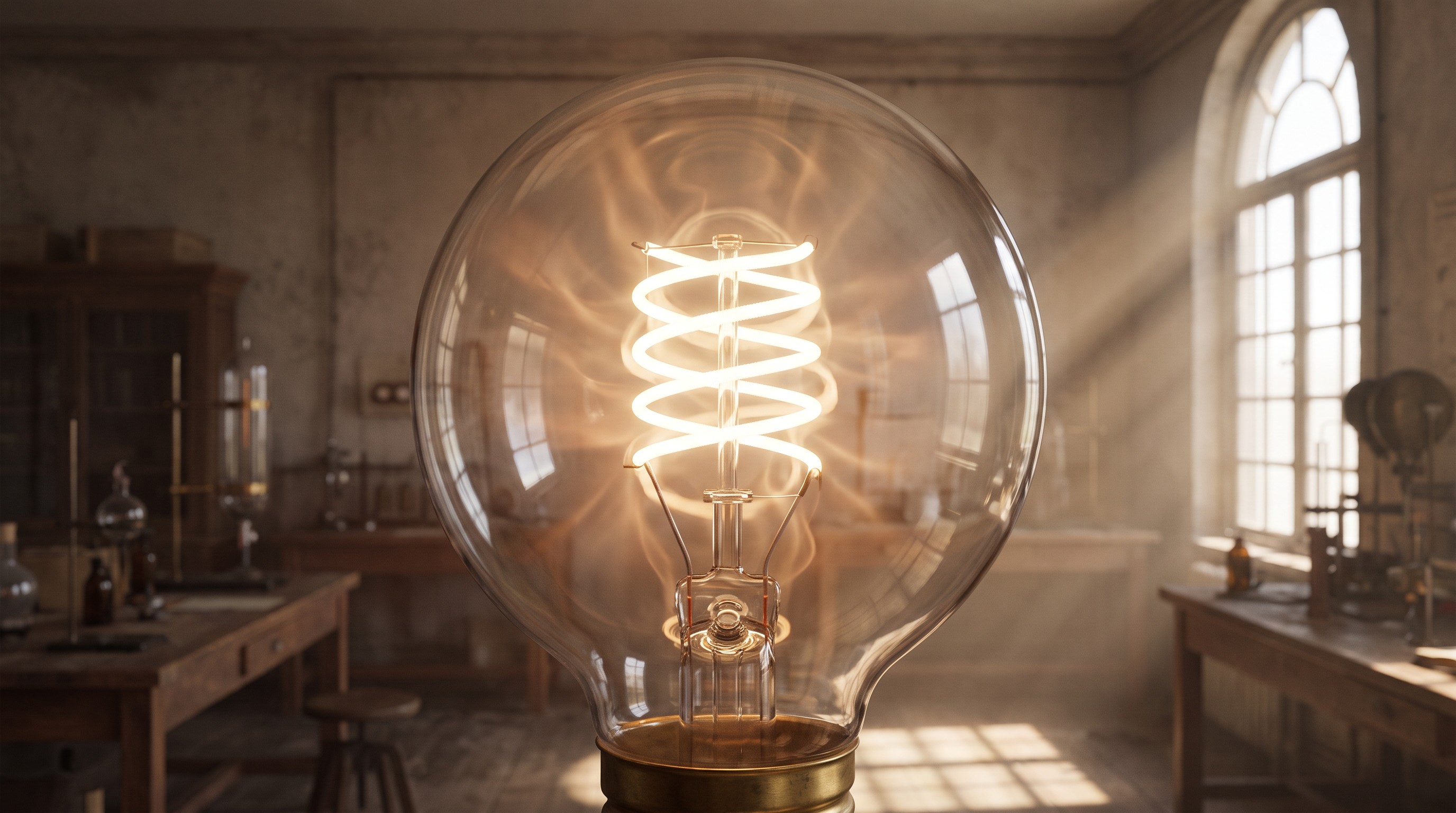
Energy is never truly lost; it merely transforms. Consider a glowing filament: electrical current surging through it converts entirely into light and heat, demonstrating the First Law of Thermodynamics in action.
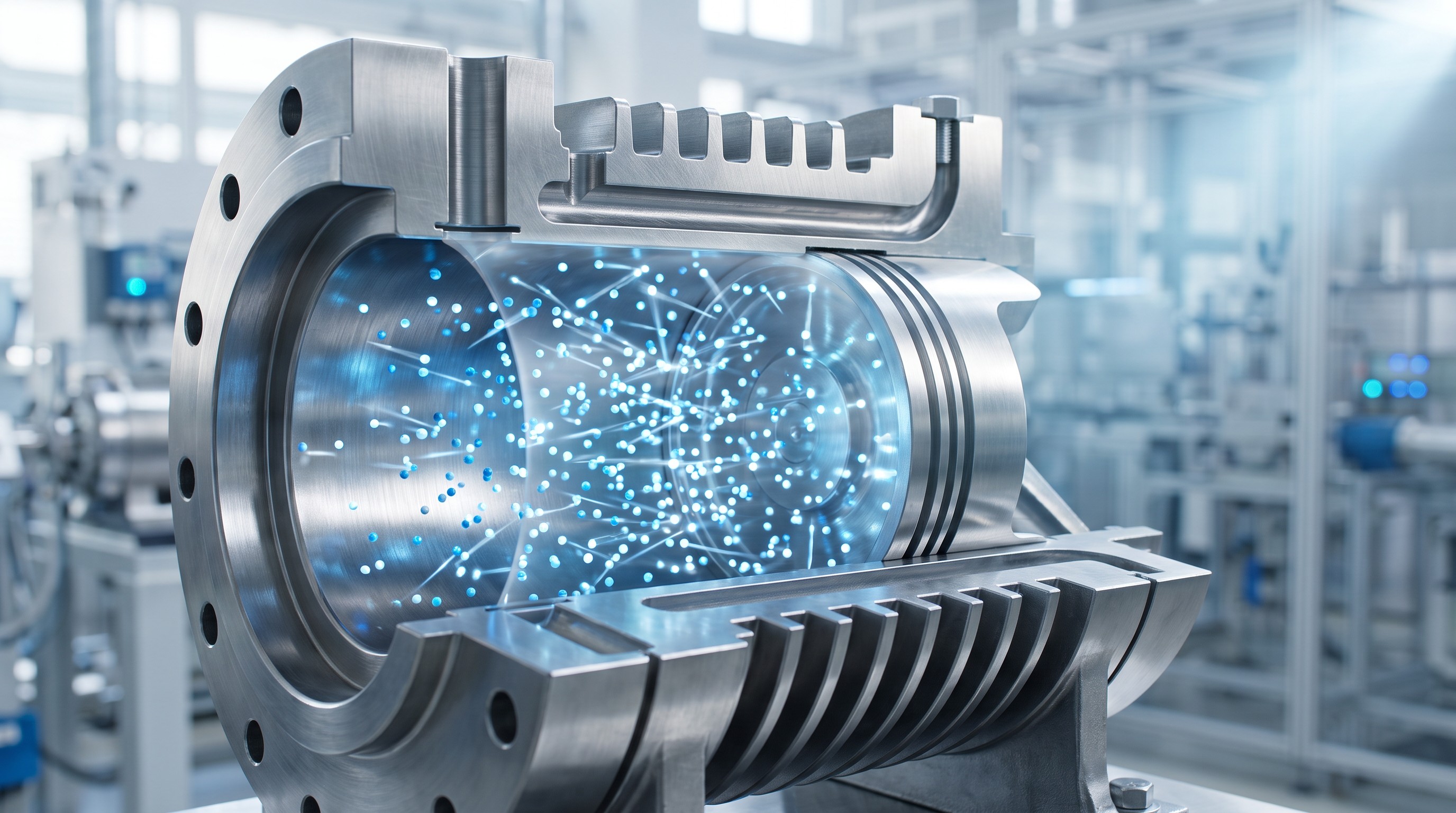
The internal energy of a system is the sum of its microscopic kinetic and potential energy. Imagine a sealed piston containing gas molecules; their rapid, chaotic collisions represent the system's thermal state.
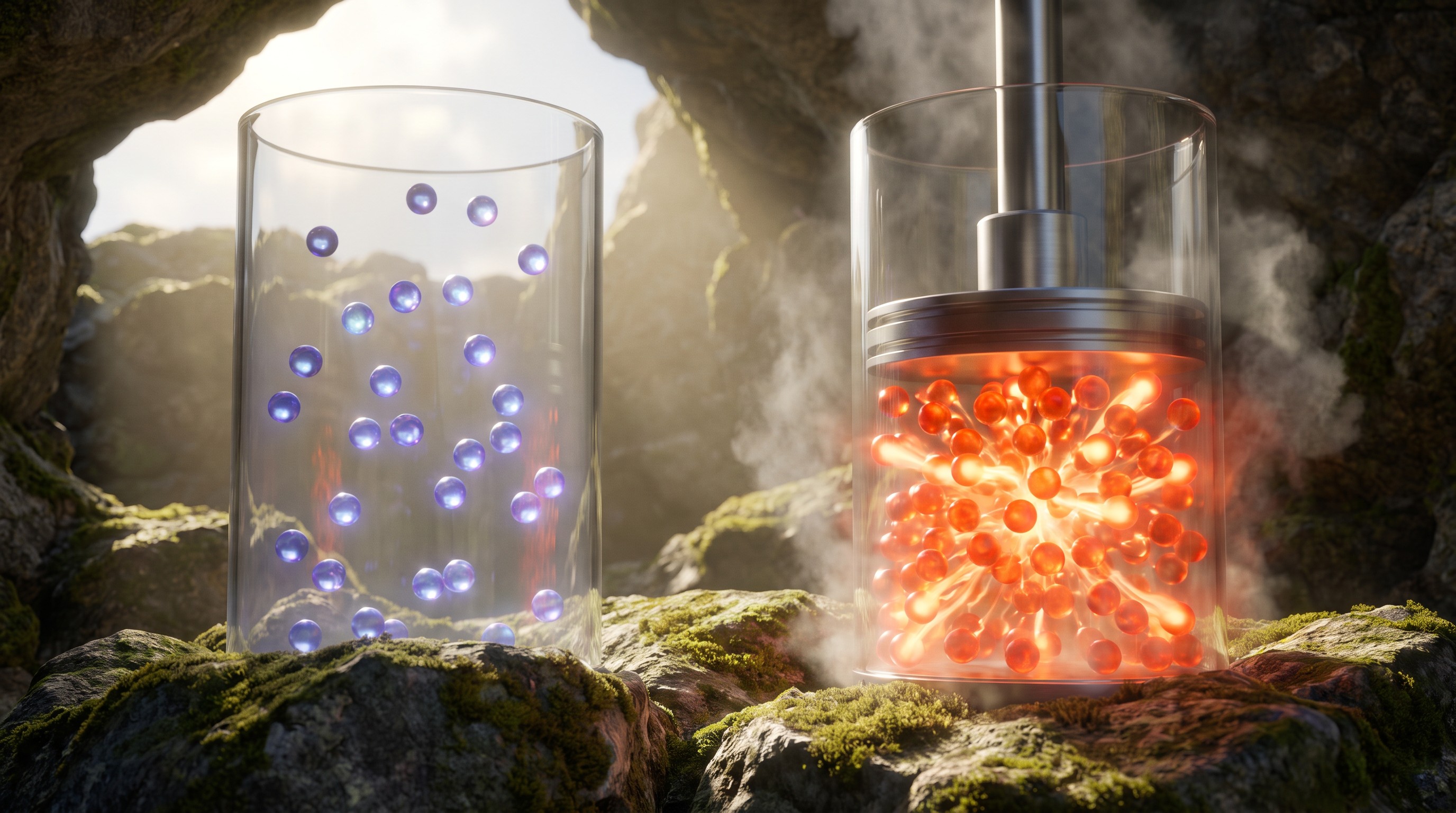
Work and heat are the two pathways for energy transfer. By compressing the piston, we perform mechanical work, forcing the gas molecules into a smaller volume and increasing their kinetic energy significantly.

Why does a hot cup of coffee always cool down in a room? If heat naturally flows from hot to cold, how can we quantify the increasing disorder, or entropy, of the entire system?
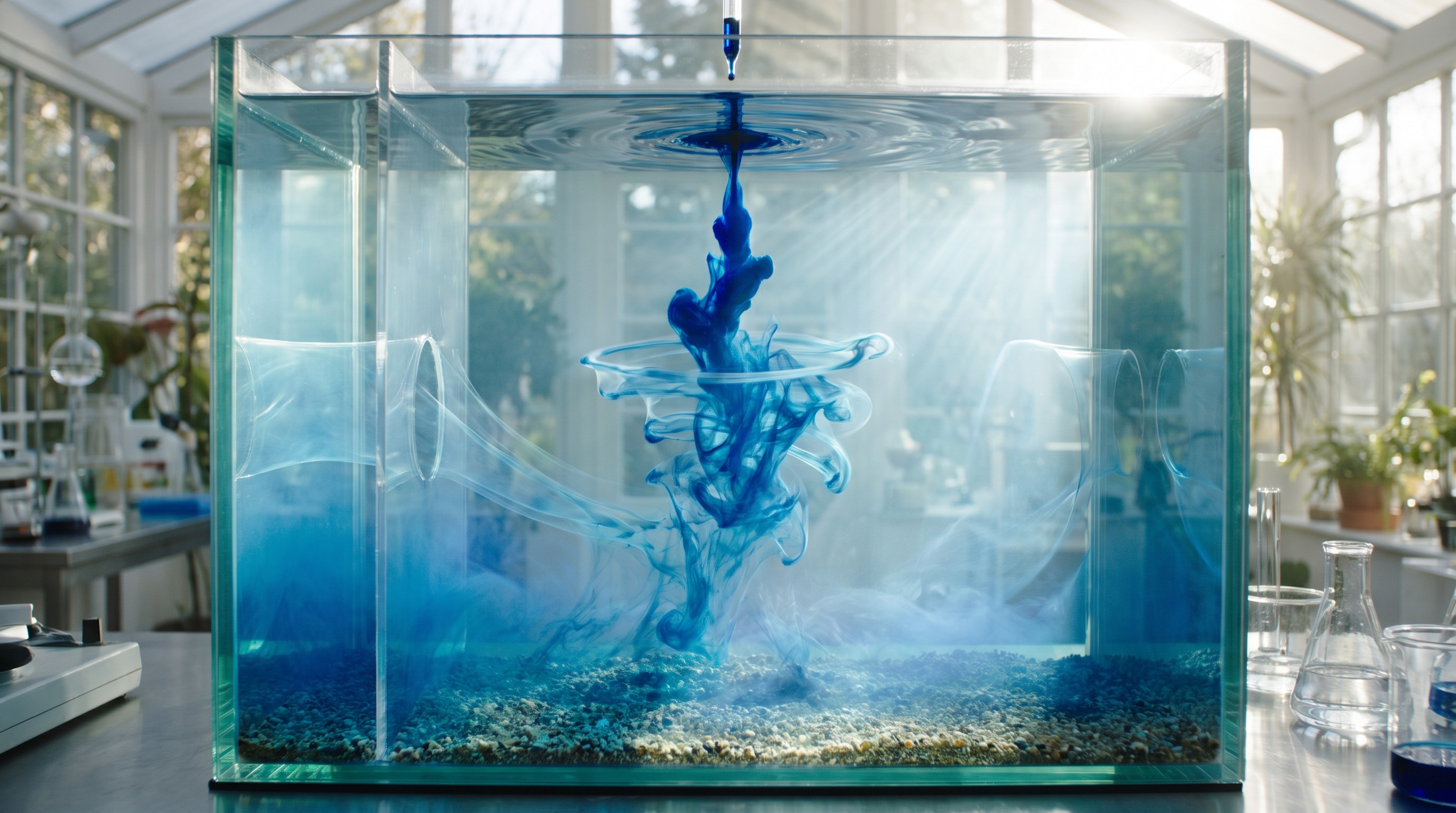
Entropy is the statistical tendency toward disorder. In nature, this is visible as dye dispersing in water; the organized drop inevitably spreads until it reaches a state of maximum, uniform probability.
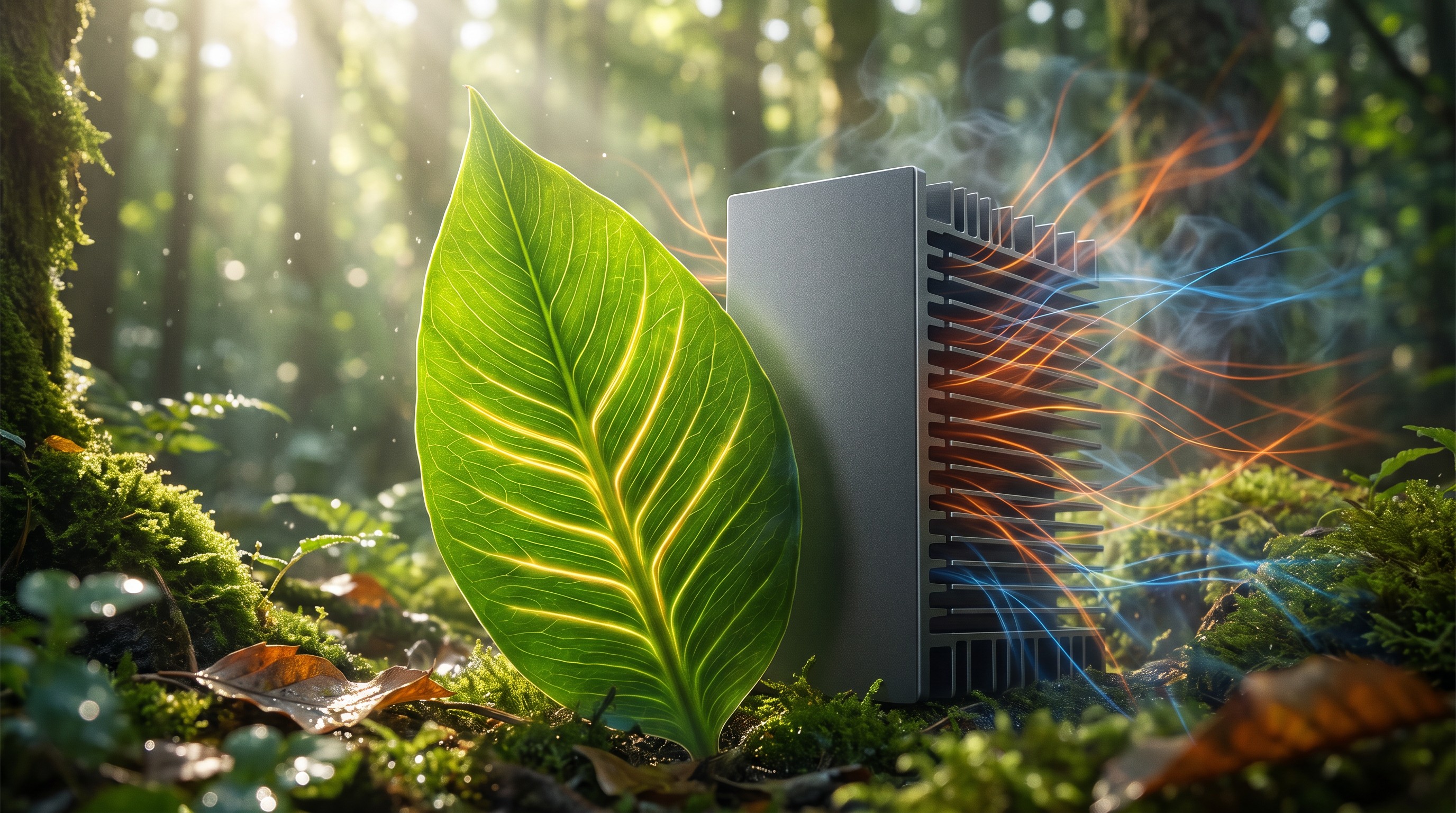
A common misconception is that biological life violates thermodynamics by creating order. In reality, organisms maintain low entropy locally by exporting high amounts of heat and disorder into their surroundings.
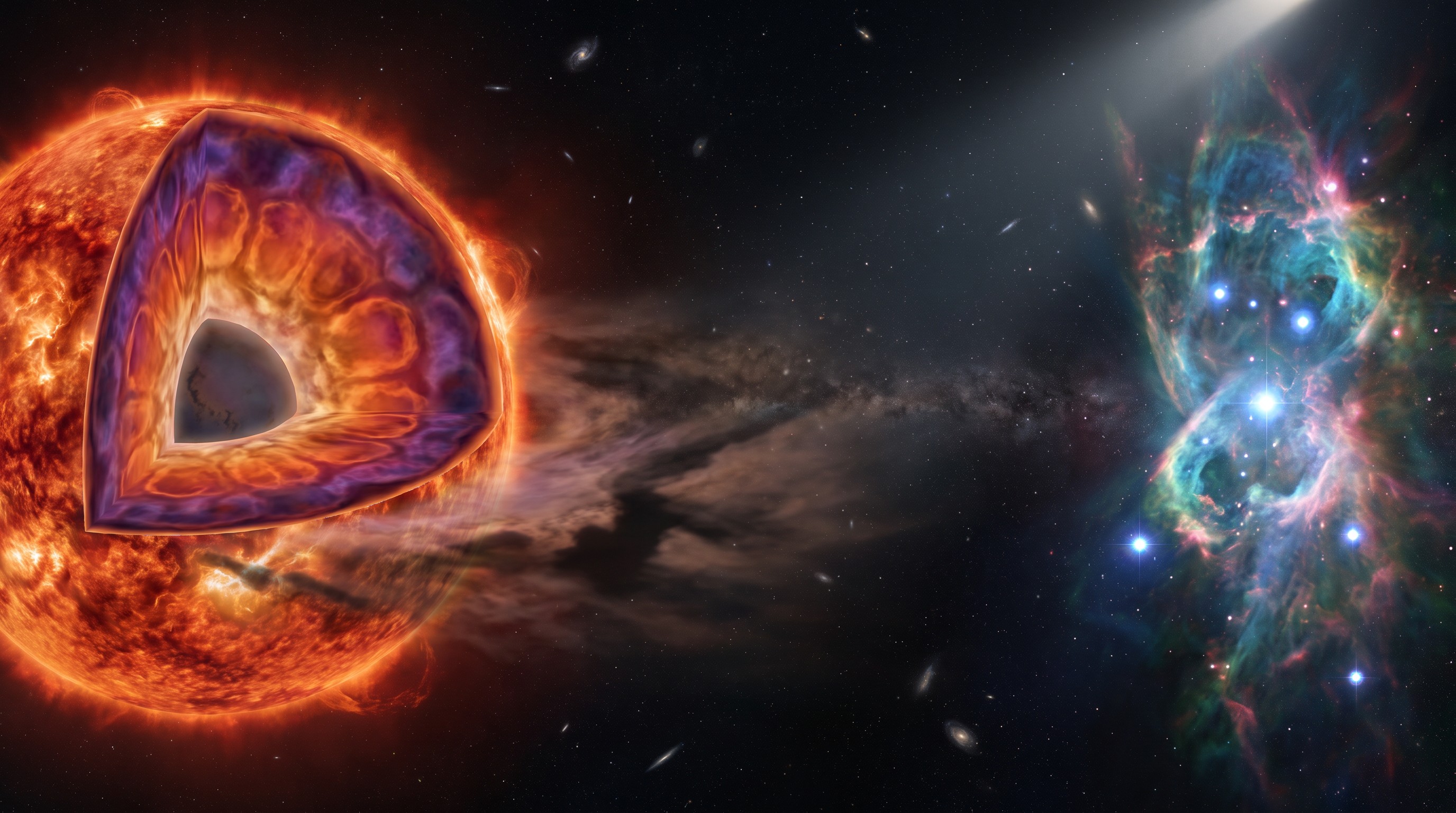
We have seen energy conserve and entropy rise. But if the universe tends toward maximum entropy, what is the ultimate fate of the stars? Could there be pockets of 'negative entropy' we have yet to map?
Describe any idea in a sentence and Remee builds it for you — stories, games and quizzes on whatever you or your class are working on. Free to start, no card needed, and everything you make gets a link you can share anywhere.
Remee turns any idea into an illustrated story, a playable game, or an interactive quiz — at home or in the classroom.