 Lesson
This lesson traces the transition from personalized travel letters to standardized passports, examining the political struggles over statehood and identity verification.
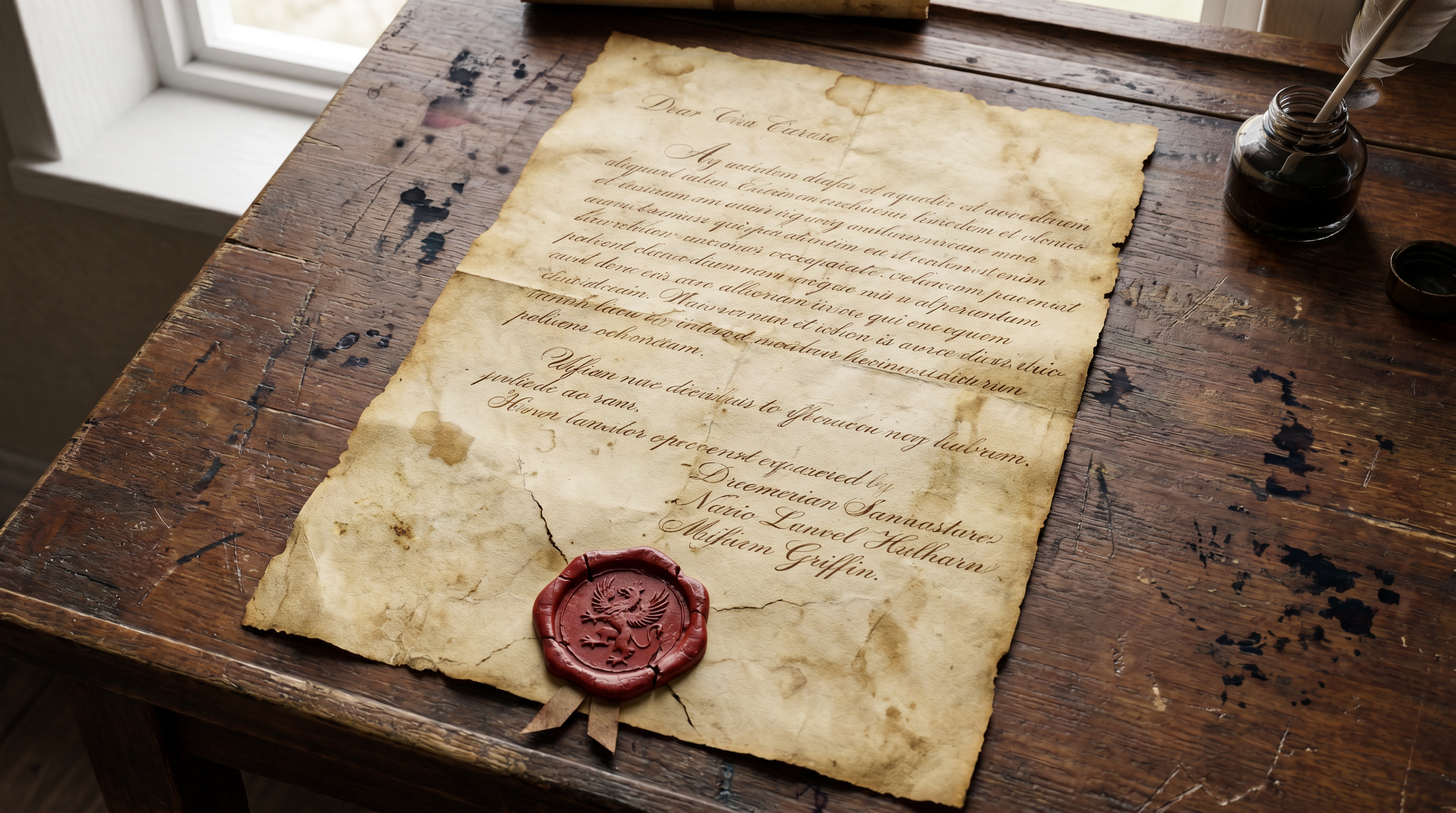
Have you ever wondered why we carry a small booklet to cross invisible lines? Centuries ago, travel wasn't a right, but a privilege granted through a simple, handwritten letter of safe passage.

These early documents functioned as personal requests from a ruler to another, asking for protection for the traveler. They were not standardized, making every journey a unique negotiation of status.
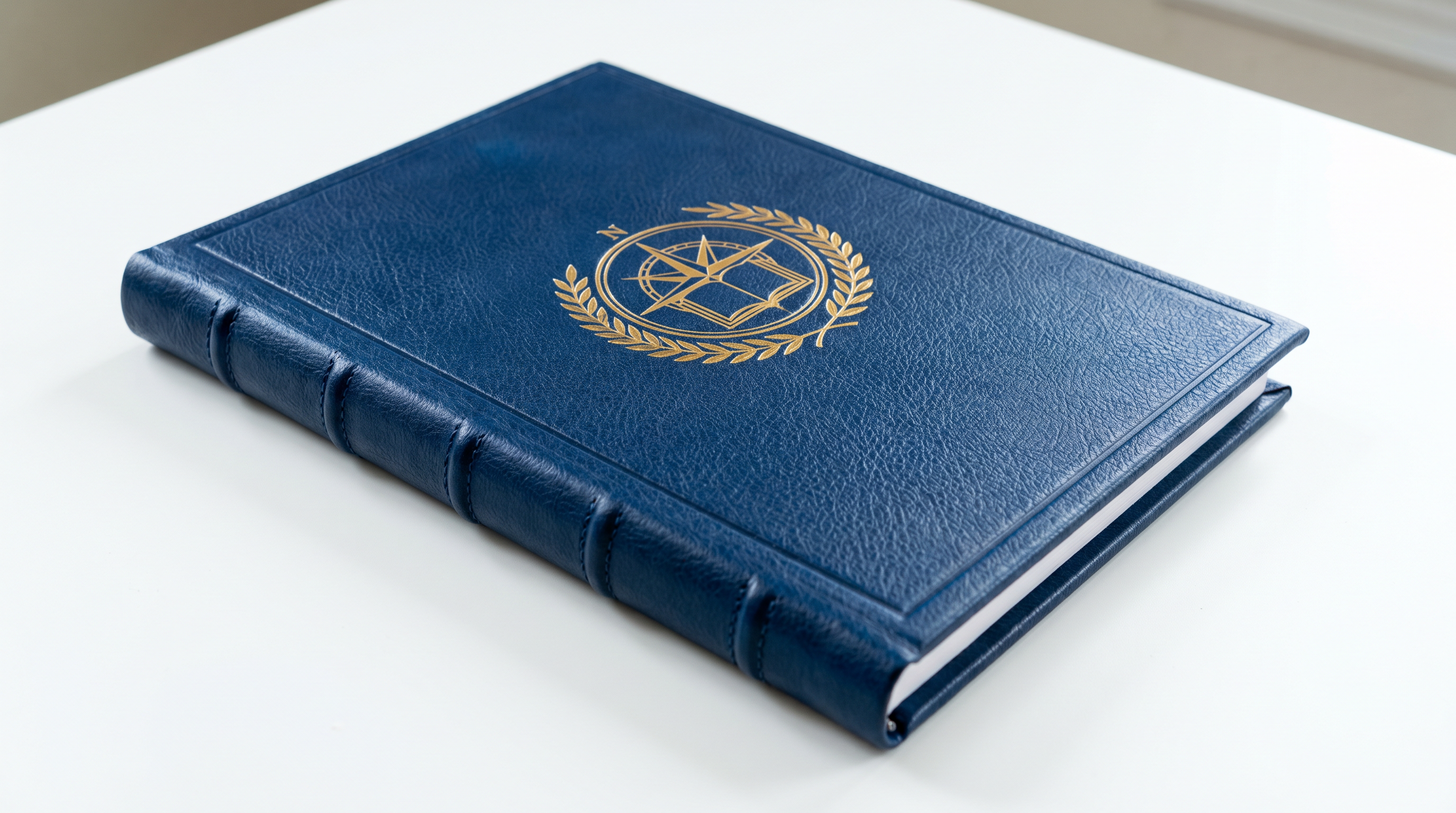
As nations solidified, the need for uniform identification grew. The transition to the modern booklet standardized the process, turning an individual's personal plea into a formal state-issued certification of identity.

Consider this: if a passport represents state recognition, what happens when a territory claims independence but isn't globally recognized? How do you think that impacts the validity of their issued documents?
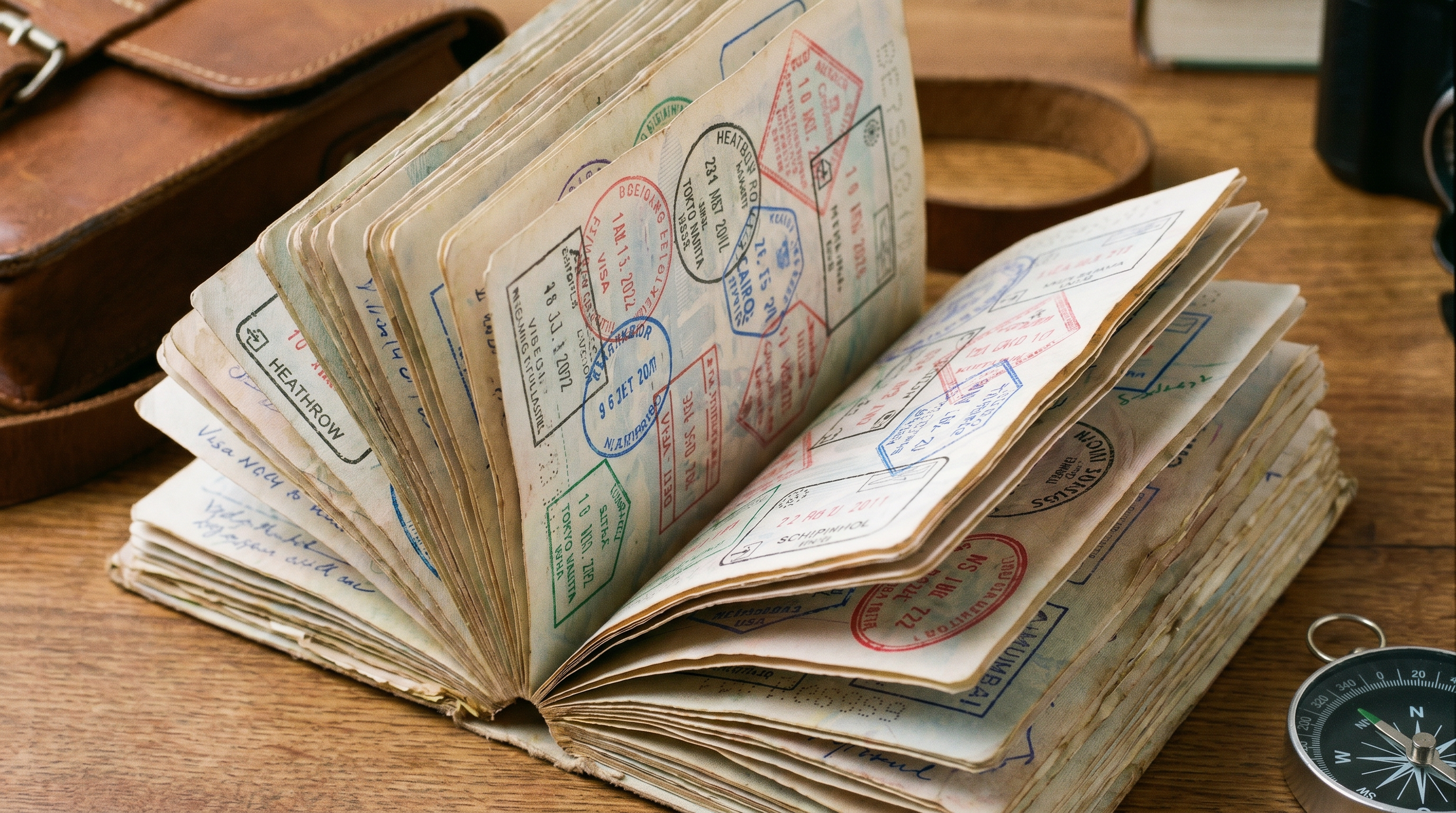
Today, diplomatic tensions often play out through stamps. Countries may refuse to acknowledge passports from specific states, effectively using ink and paper as a tool of political exclusion and leverage.

Commonly, people believe a passport grants an automatic right to enter any country. In reality, it is merely a request for entry; the final authority always rests with the host nation's border policy.

We have moved from handwritten letters to biometric chips, yet the core struggle over defining a state remains. What happens to the concept of 'citizenship' when digital identities replace physical documents?
Describe any idea in a sentence and Remee builds it for you — stories, games and quizzes on whatever you or your class are working on. Free to start, no card needed, and everything you make gets a link you can share anywhere.
Remee turns any idea into an illustrated story, a playable game, or an interactive quiz — at home or in the classroom.