 Lesson
This lesson explores the cinematic craft of suspense, moving from camera techniques and sound design to the psychological impact of silence, while debunking common myths about fear.
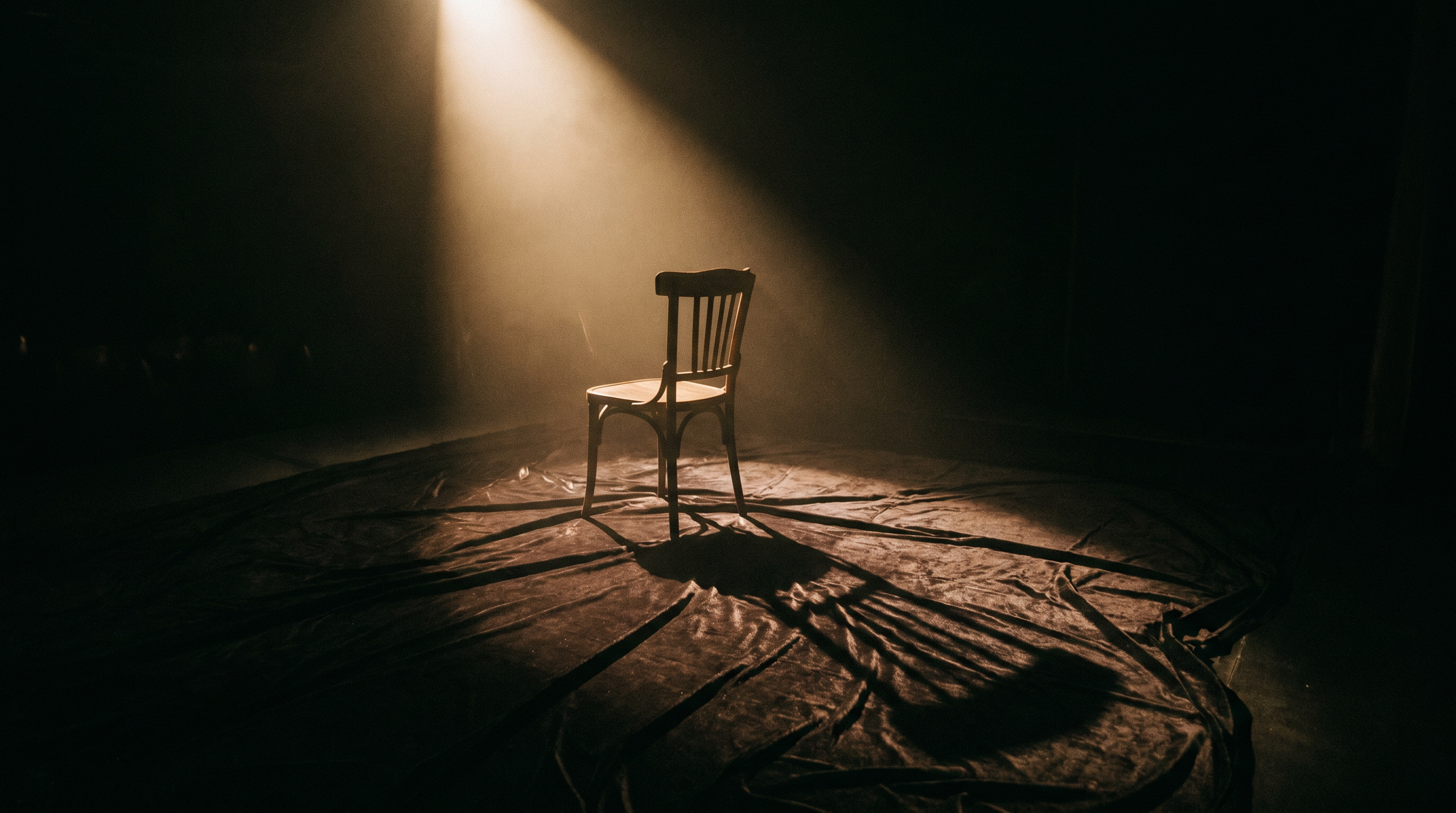
Have you ever wondered why your heart races during a movie scene even when nothing scary has happened yet? Suspense is a calculated craft, built carefully through specific technical choices.
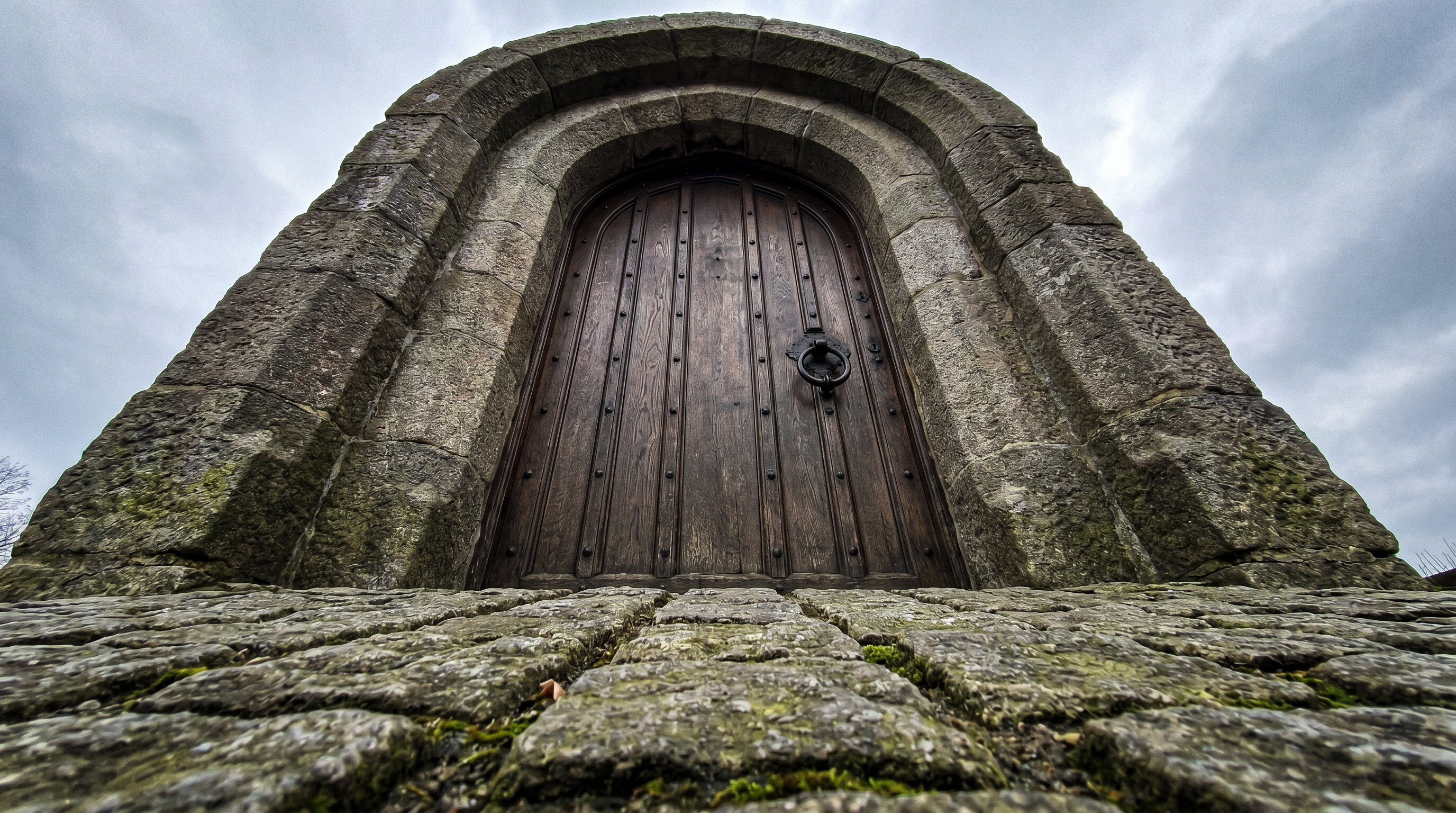
Directors use low-angle shots to make environments feel overwhelming or tall, while tight close-ups on a character's eyes limit our perspective, trapping us in their immediate, uncertain reality.
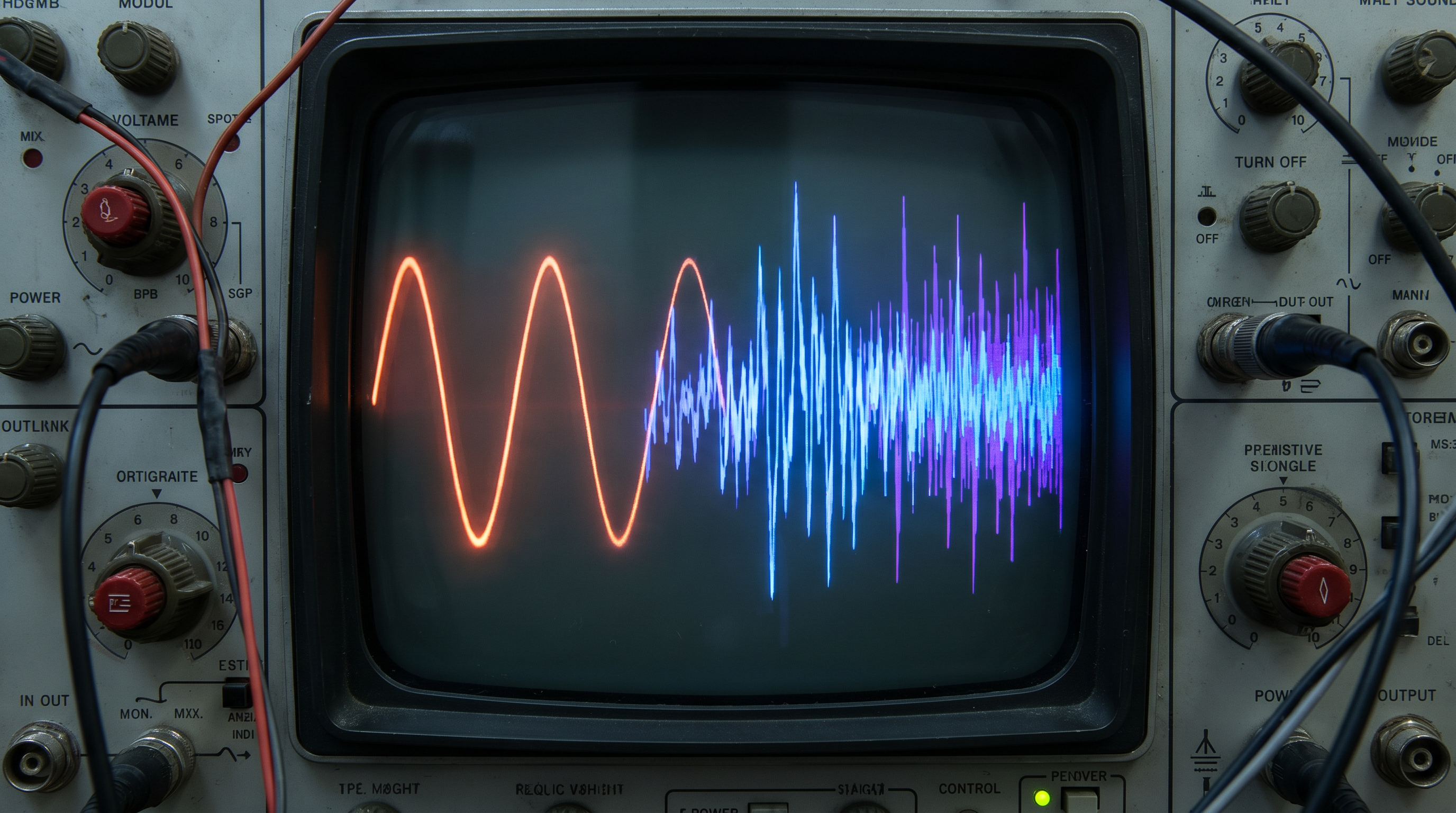
Sound editing acts as an invisible guide for your emotions. Low-frequency drones create physical unease, while rhythmic, ticking sounds mimic an accelerated heartbeat, signaling that time is running out.
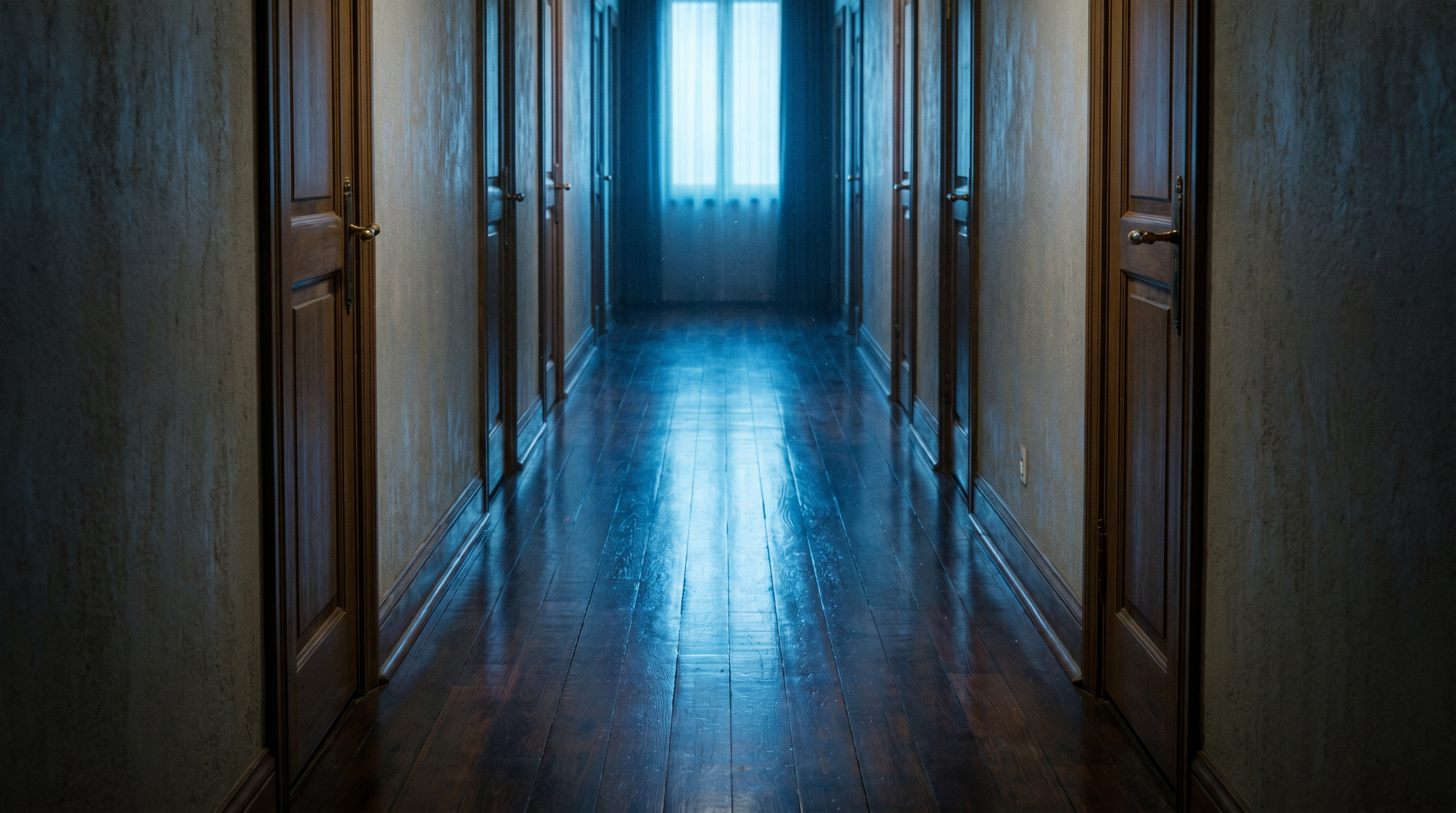
Consider this: when you observe a character walking down a dark hallway in a film, why does the sudden absence of all background music make you feel more anxious than noise?
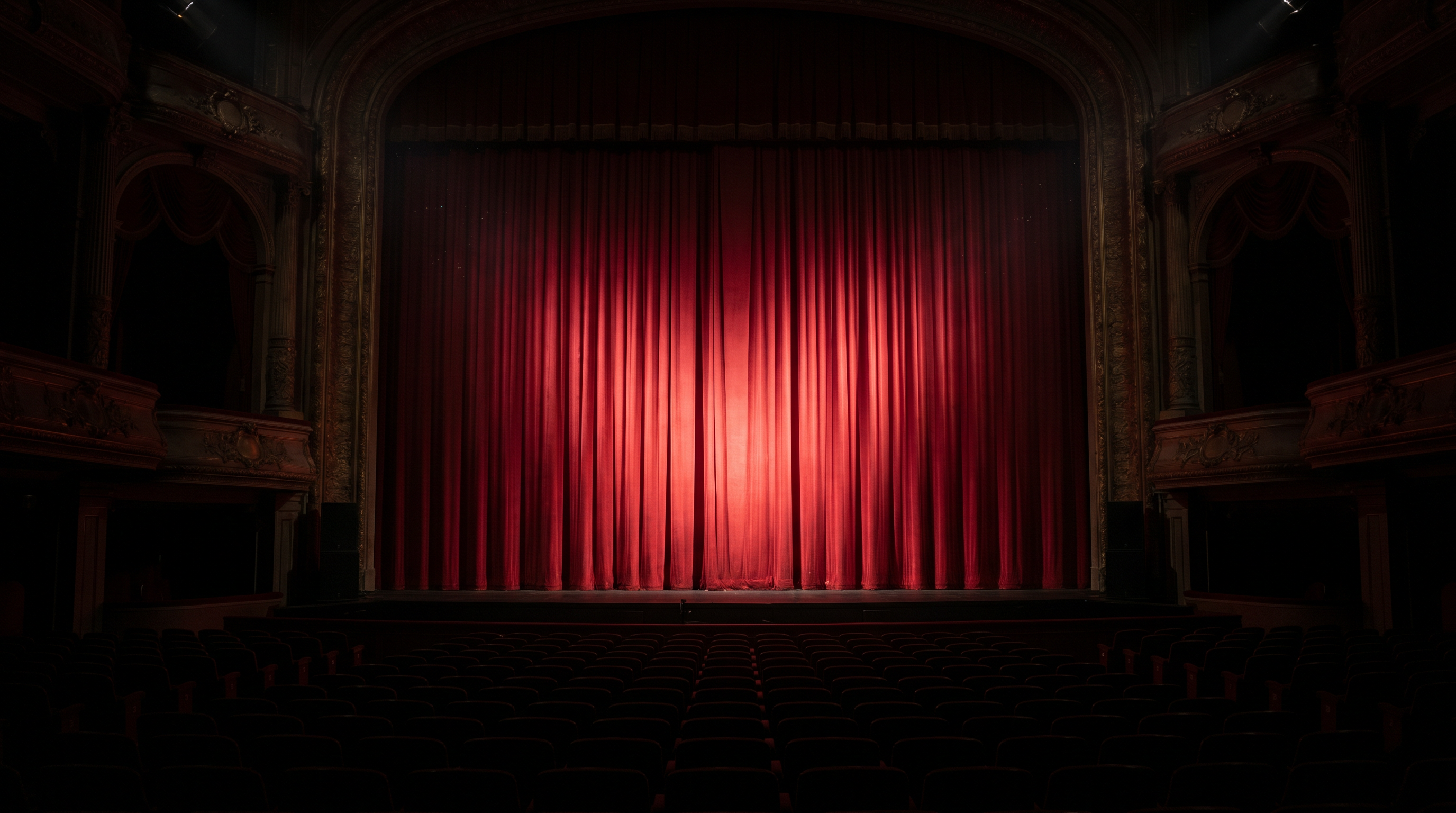
This is the 'vacuum of sound' effect. By cutting all noise right before a climax, directors force your brain to fill the silence with anticipation, heightening your sensitivity to action.
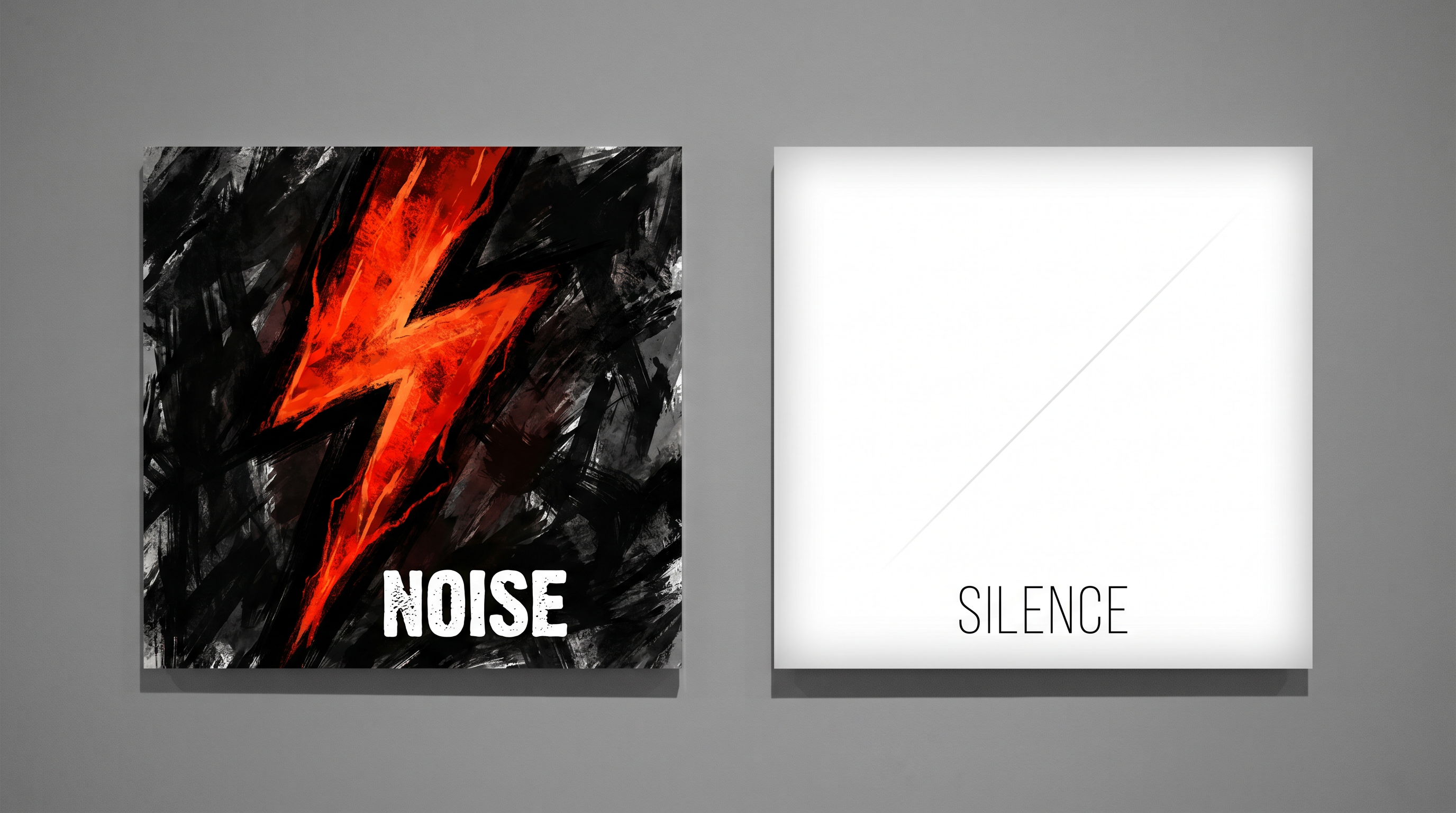
Many believe loud noises are what terrify us most. Actually, science shows that the 'anticipatory gap'—the silence before the noise—is where the physiological stress response is most intense.
We have explored how angles, sound, and silence manipulate perception. But how does the human brain process these triggers differently across cultures? That is a mystery for another session.
Describe any idea in a sentence and Remee builds it for you — stories, games and quizzes on whatever you or your class are working on. Free to start, no card needed, and everything you make gets a link you can share anywhere.
Remee turns any idea into an illustrated story, a playable game, or an interactive quiz — at home or in the classroom.