 Lesson
This lesson explores the scientific journey of memory, from initial encoding to consolidation and collective retention, revealing its dynamic nature and vital role.

Our minds constantly process countless experiences. Many are fleeting, but a select few begin a profound journey to become lasting, meaningful recollections. Embrace this fascinating process!
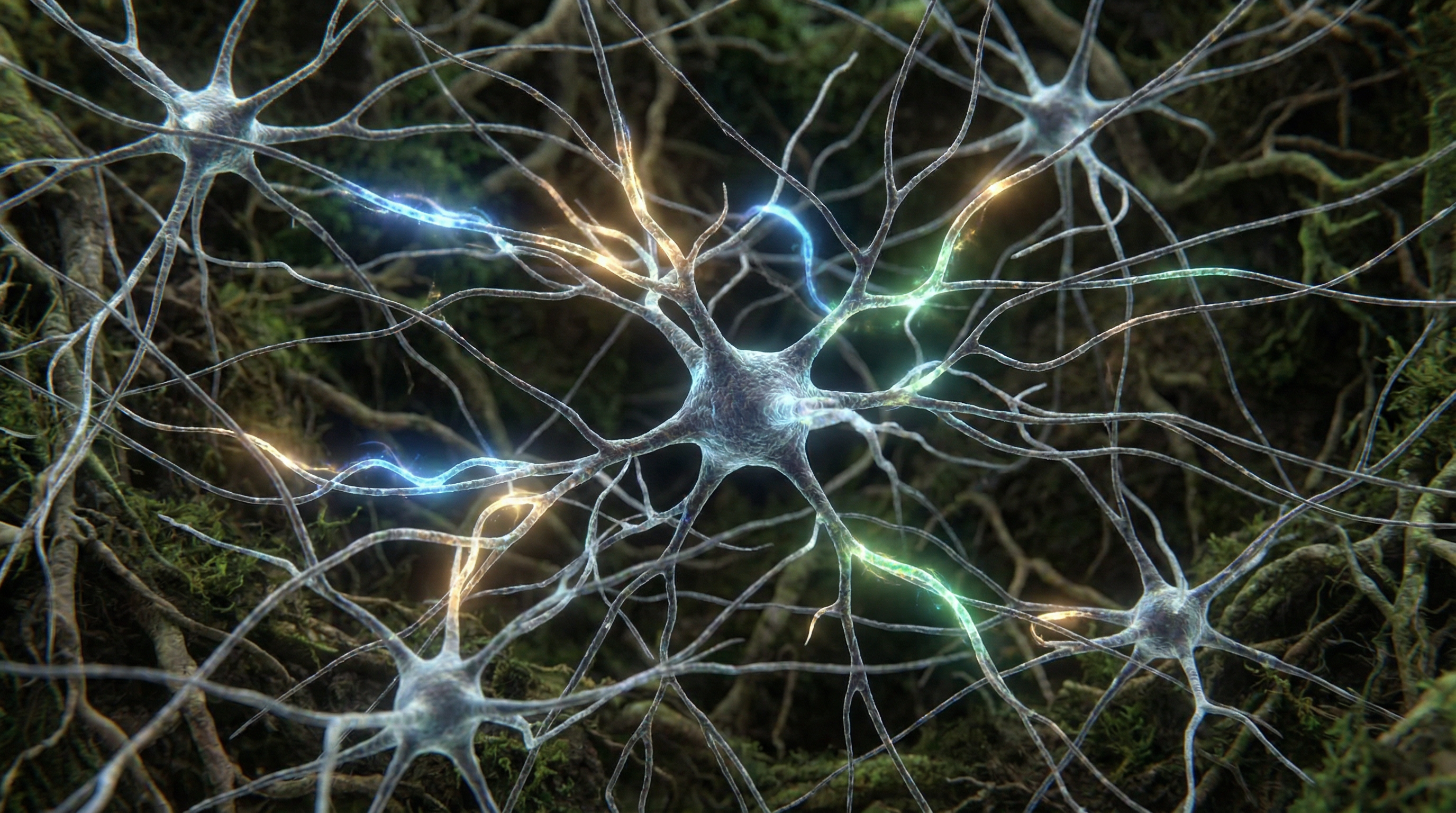
Memory begins with encoding, where sensory input triggers electrical signals. These create initial, unstable neural traces, forming the raw material for recollection within your brain.
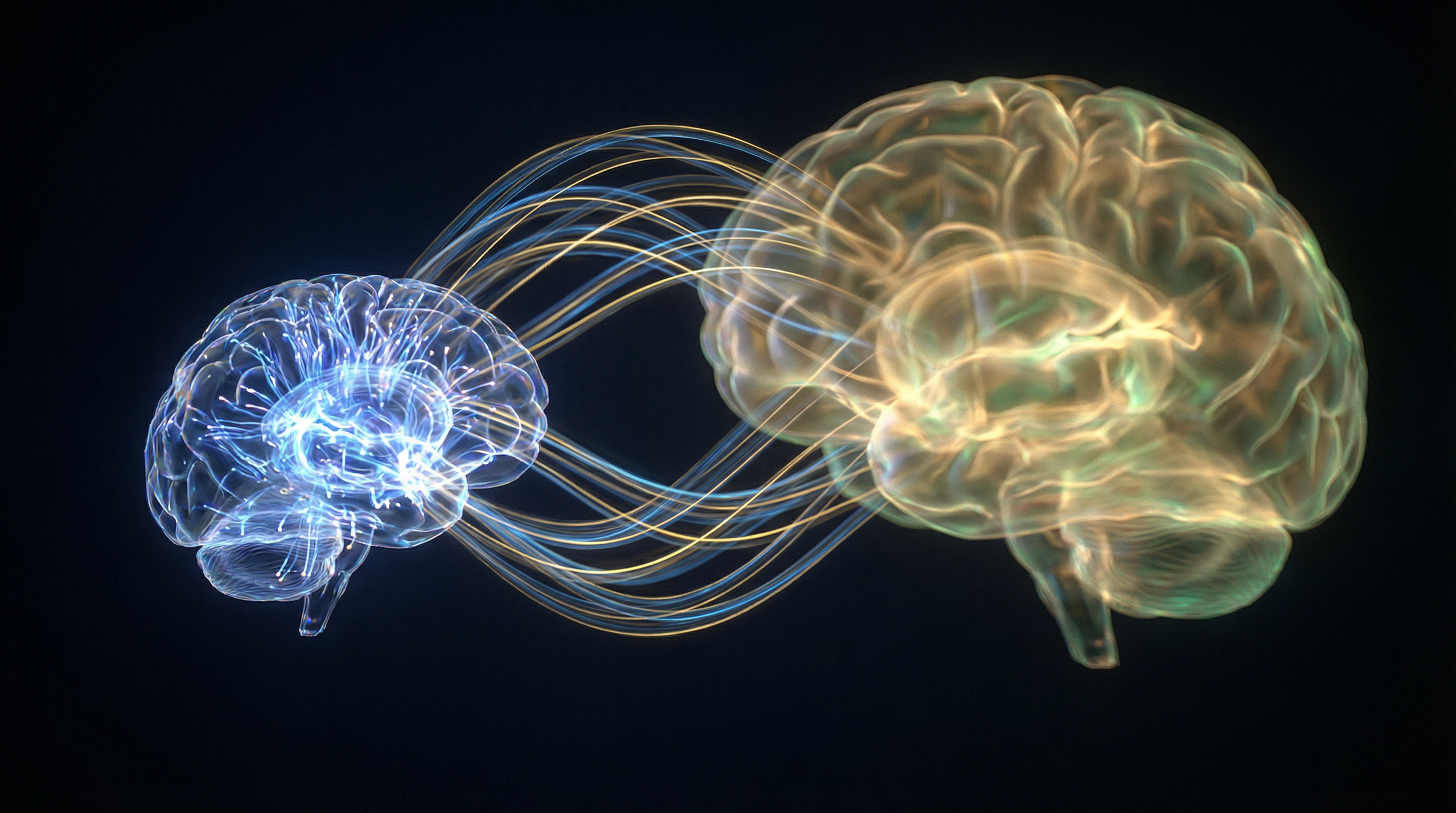
During rest, especially sleep, these initial traces are replayed and strengthened. This critical process, consolidation, transforms temporary neural patterns into more permanent memories for you.
Some memories endure, while others fade. What factors determine which experiences become vivid recollections, and which ones simply vanish from our minds over time? Take a moment to consider this.
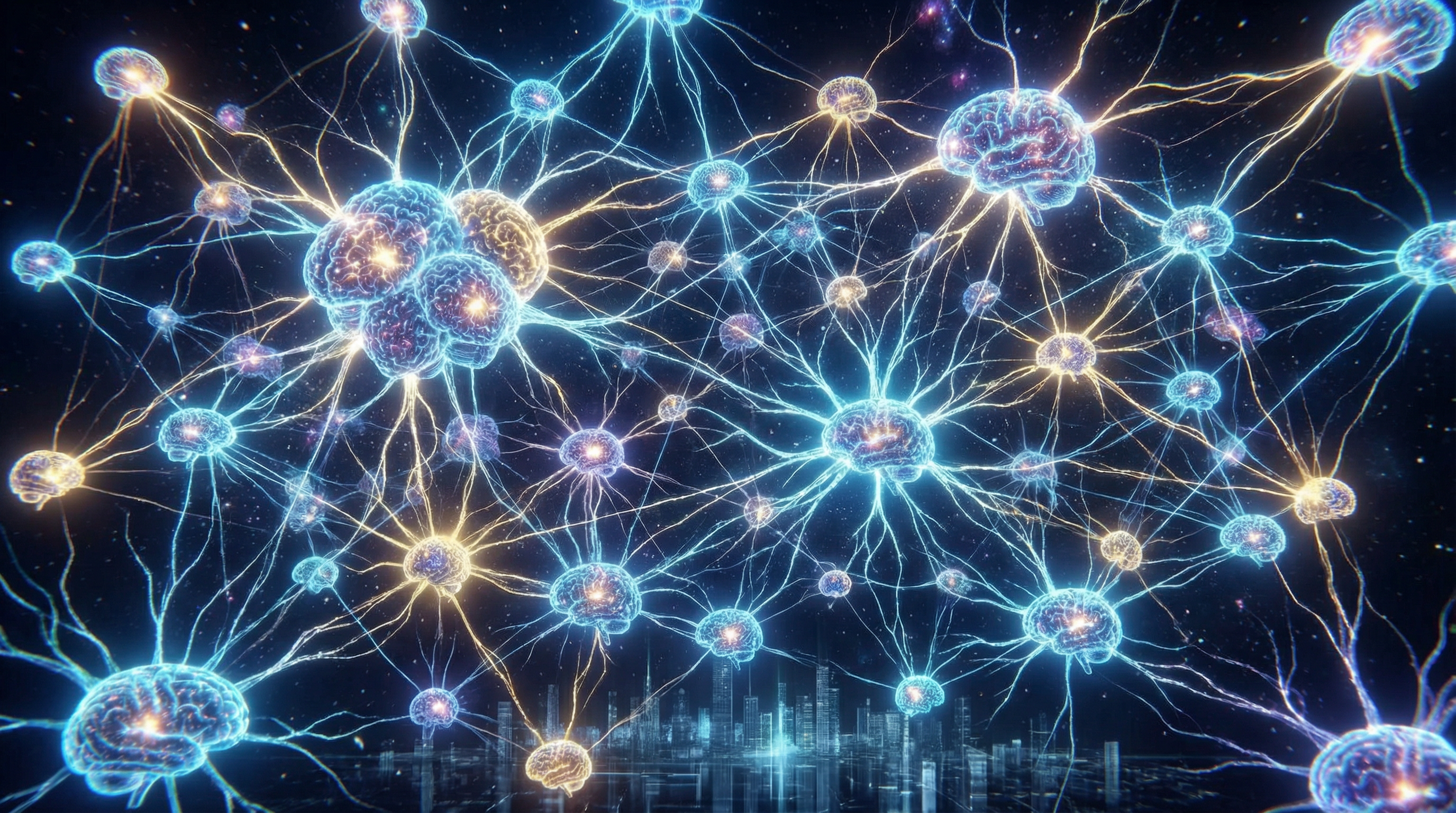
Beyond personal recall, our shared stories, traditions, and cultural knowledge form a collective memory. This vital reservoir shapes identity and underpins societal progress for us all.

A common misconception is that memory acts like a perfect recording. In reality, memory is a dynamic, reconstructive process, subtly altered each time it's retrieved, not a static file.
Understanding memory's dynamic, reconstructive nature empowers us. By actively engaging with and reflecting on information, we can cultivate and share knowledge more effectively, ensuring vital insights endure.
Describe any idea in a sentence and Remee builds it for you — stories, games and quizzes on whatever you or your class are working on. Free to start, no card needed, and everything you make gets a link you can share anywhere.
Remee turns any idea into an illustrated story, a playable game, or an interactive quiz — at home or in the classroom.