 Lesson
This lesson explores the engineering mechanics of floating offshore wind turbines, comparing their deep-sea advantages to fixed structures and highlighting the future of energy.
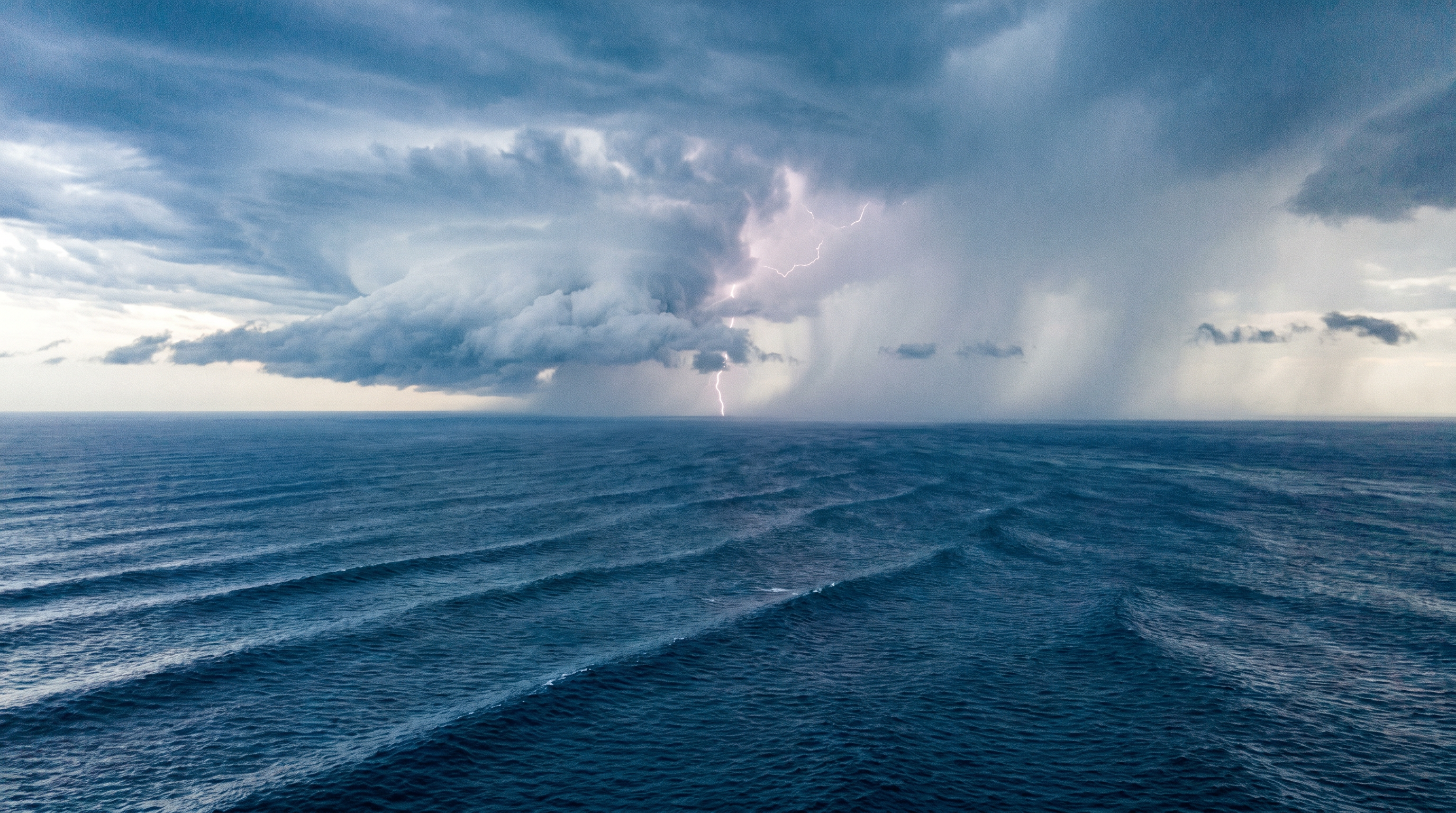
Did you know that winds over the deep ocean are significantly stronger and more consistent than those near the coast? This untapped potential holds the key to our clean energy future.
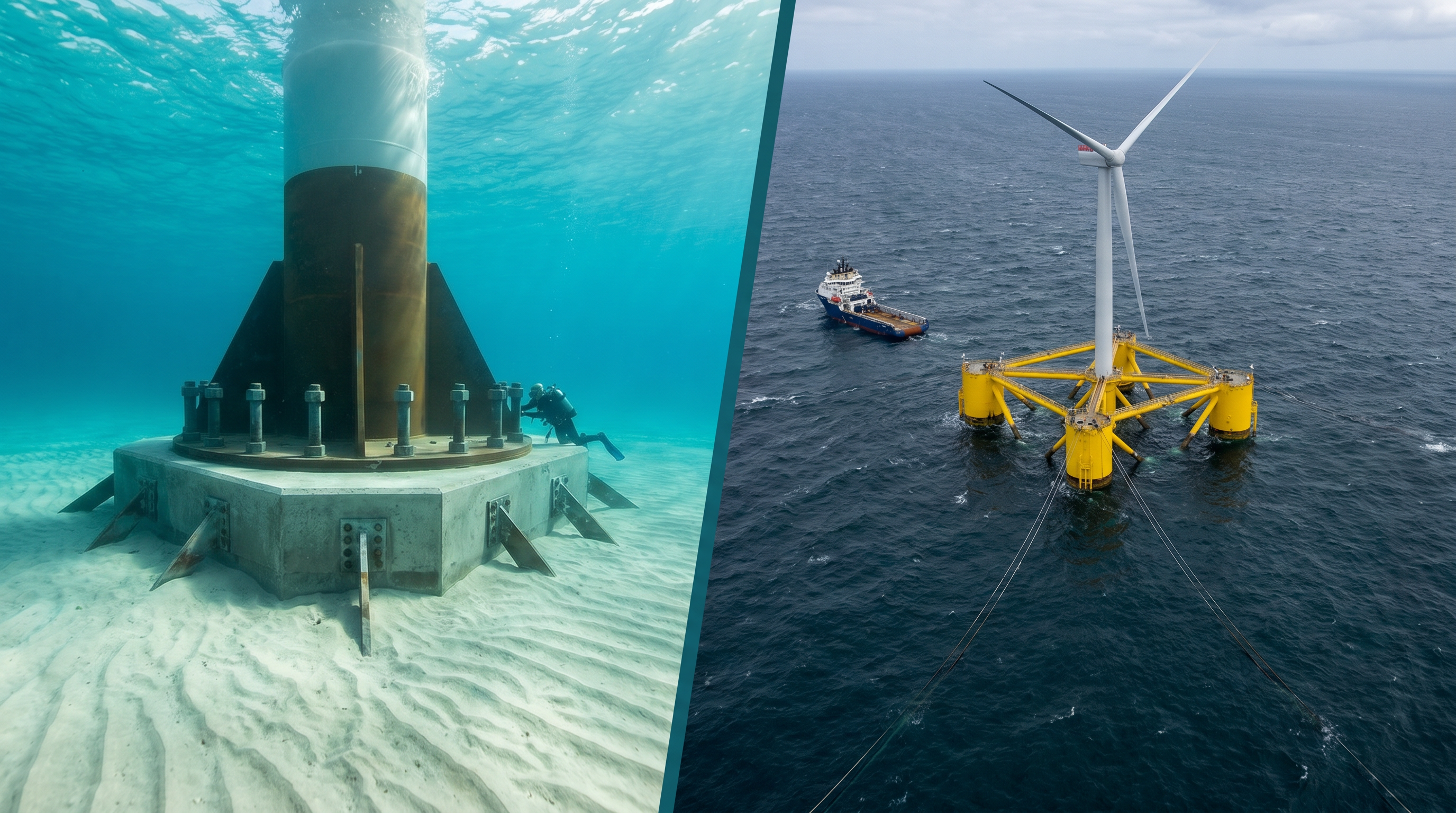
Traditional turbines are fixed to the seafloor, limiting them to shallow waters. Floating turbines use buoyant platforms, allowing them to reach deep sites where wind speeds are much higher.
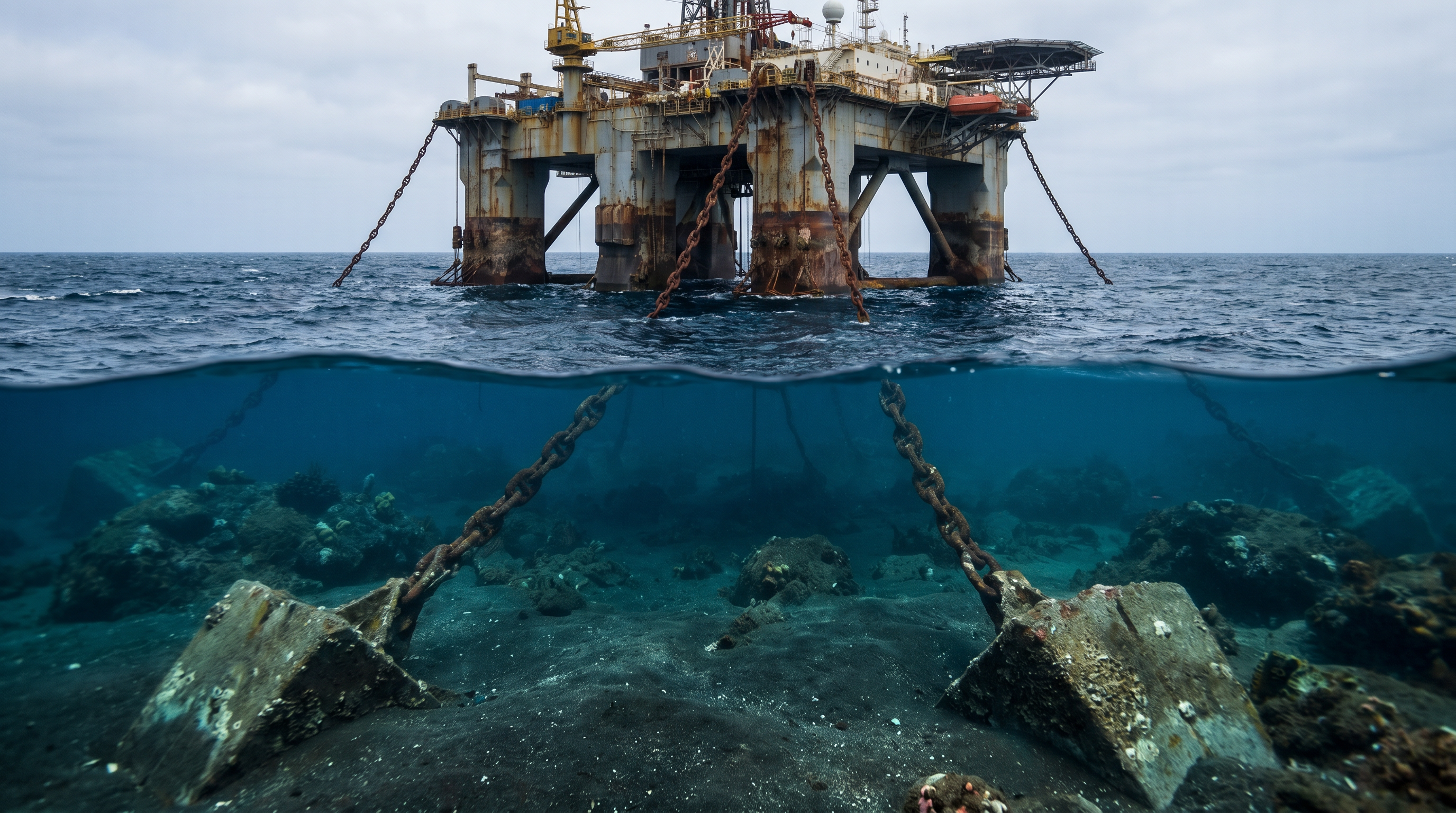
These platforms stay stable using mooring lines attached to heavy anchors on the seafloor. This system allows the structure to sway gently with the ocean currents without drifting away.
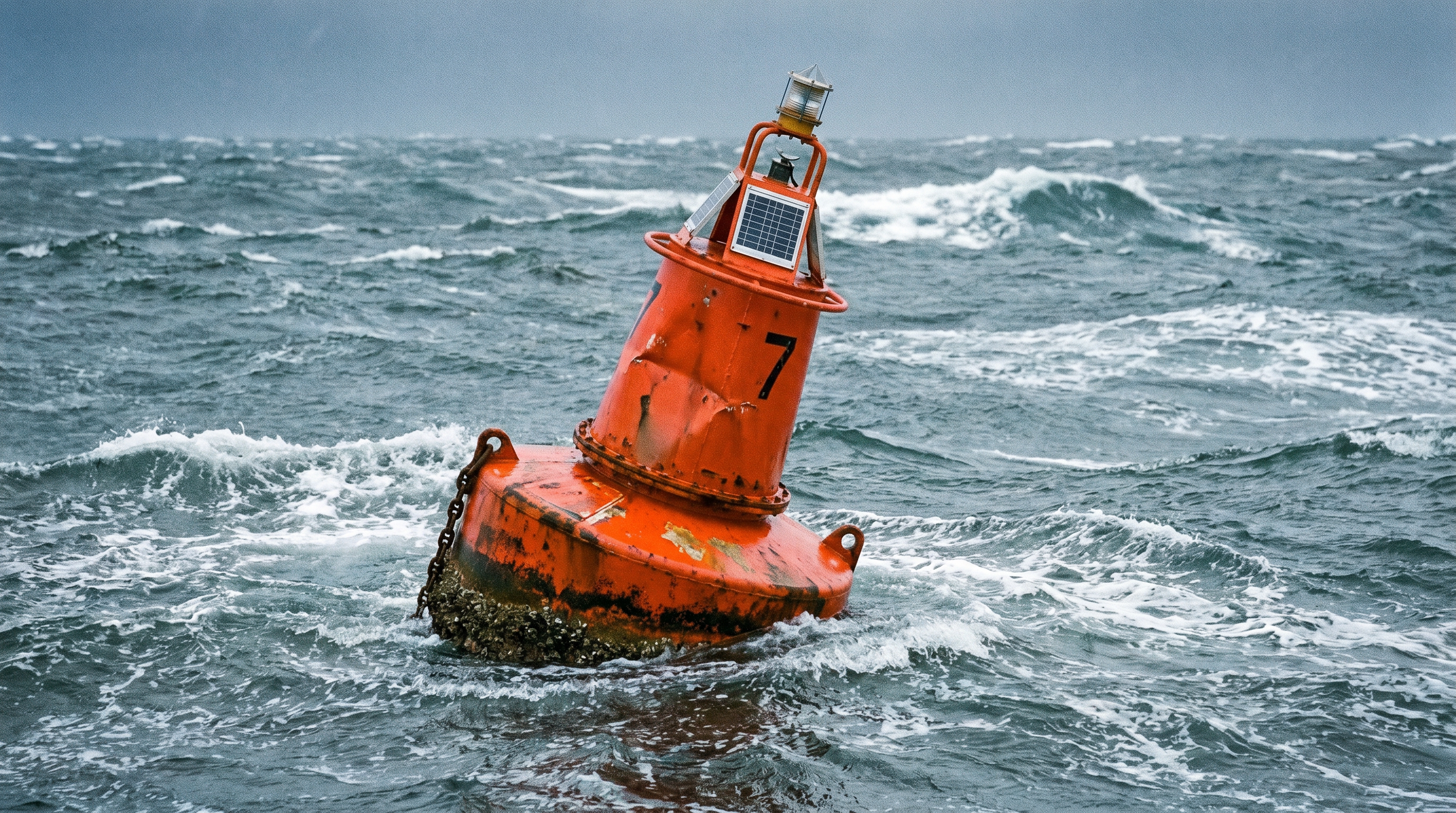
If you observe a buoy bobbing in the water, you see how it reacts to waves. How do you think engineers design these platforms to remain steady despite constant ocean movement?
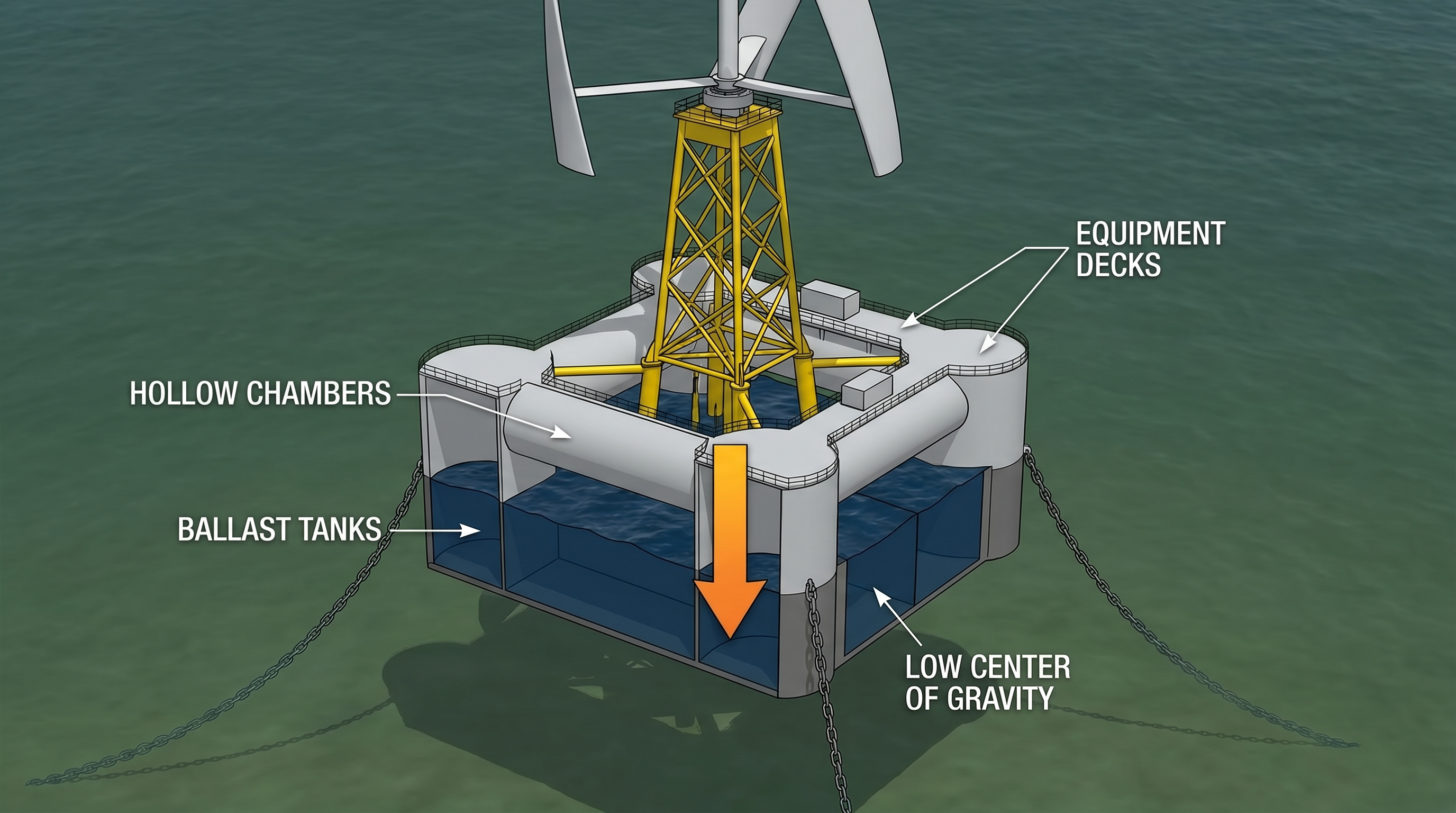
Engineers use ballast tanks filled with water to lower the center of gravity, keeping the turbine upright. This mimics the way a ship stays balanced even in rough, open sea conditions.
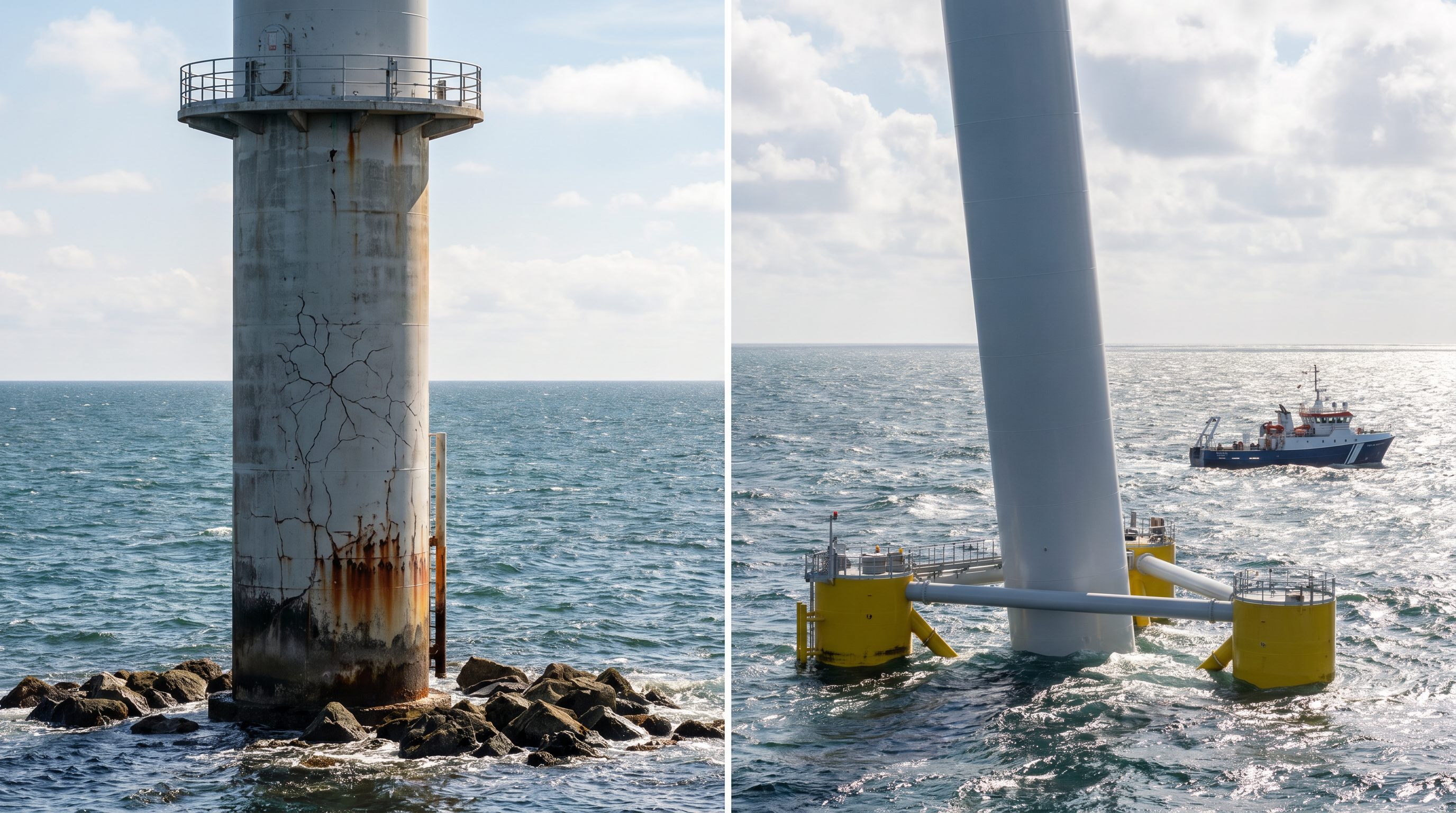
A common misconception is that floating turbines are unstable. In reality, their ability to move slightly with the waves reduces the mechanical stress compared to rigid, fixed-bottom structures.
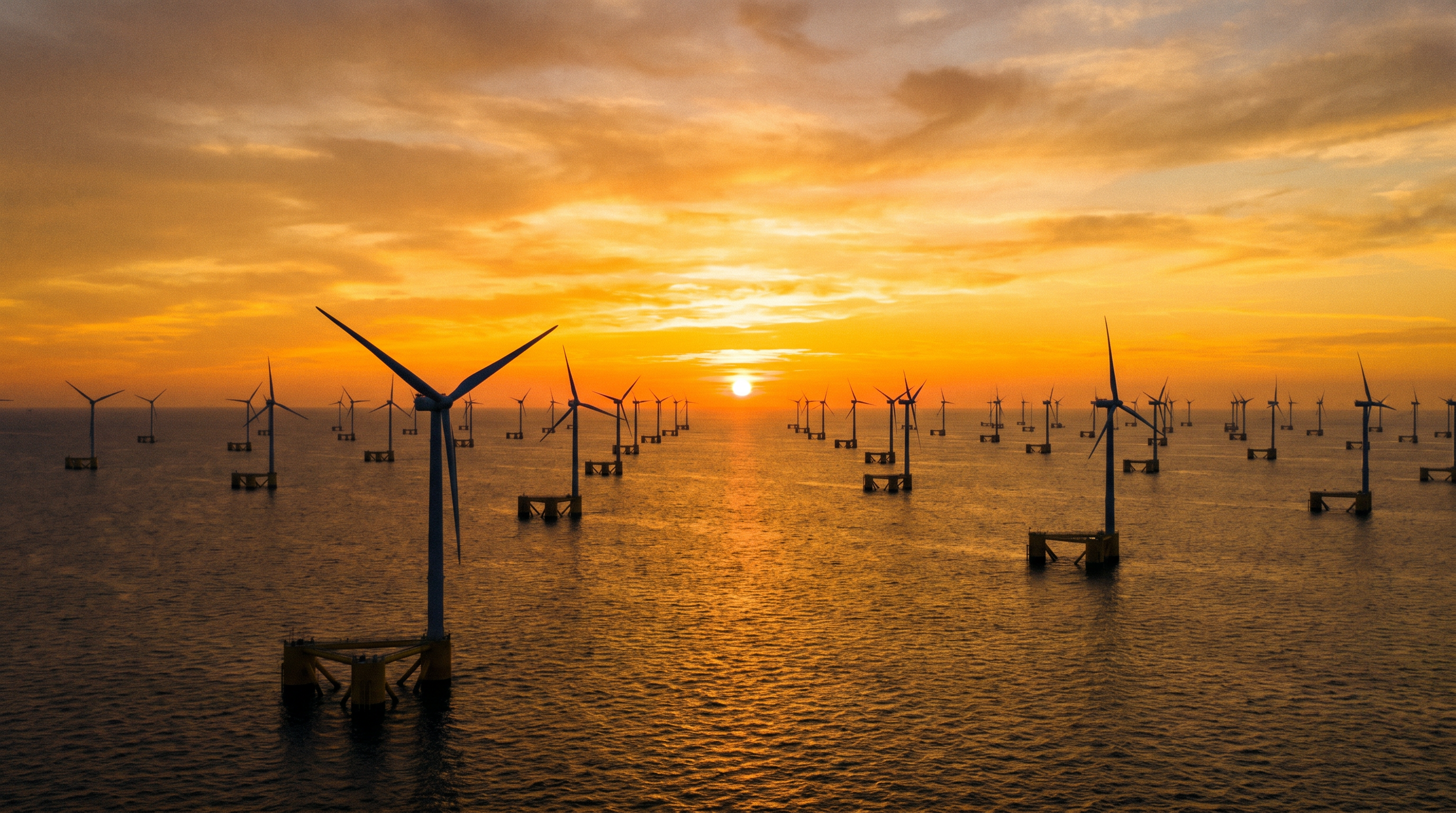
Floating turbines unlock vast ocean territories for energy. But as we move further offshore, how will we efficiently transport this power back to land? That remains the next great challenge.
Describe any idea in a sentence and Remee builds it for you — stories, games and quizzes on whatever you or your class are working on. Free to start, no card needed, and everything you make gets a link you can share anywhere.
Remee turns any idea into an illustrated story, a playable game, or an interactive quiz — at home or in the classroom.