 Lesson
This lesson explores how musical patterns are translated into data, analyzed through probability, and reconstructed into new, original song structures.
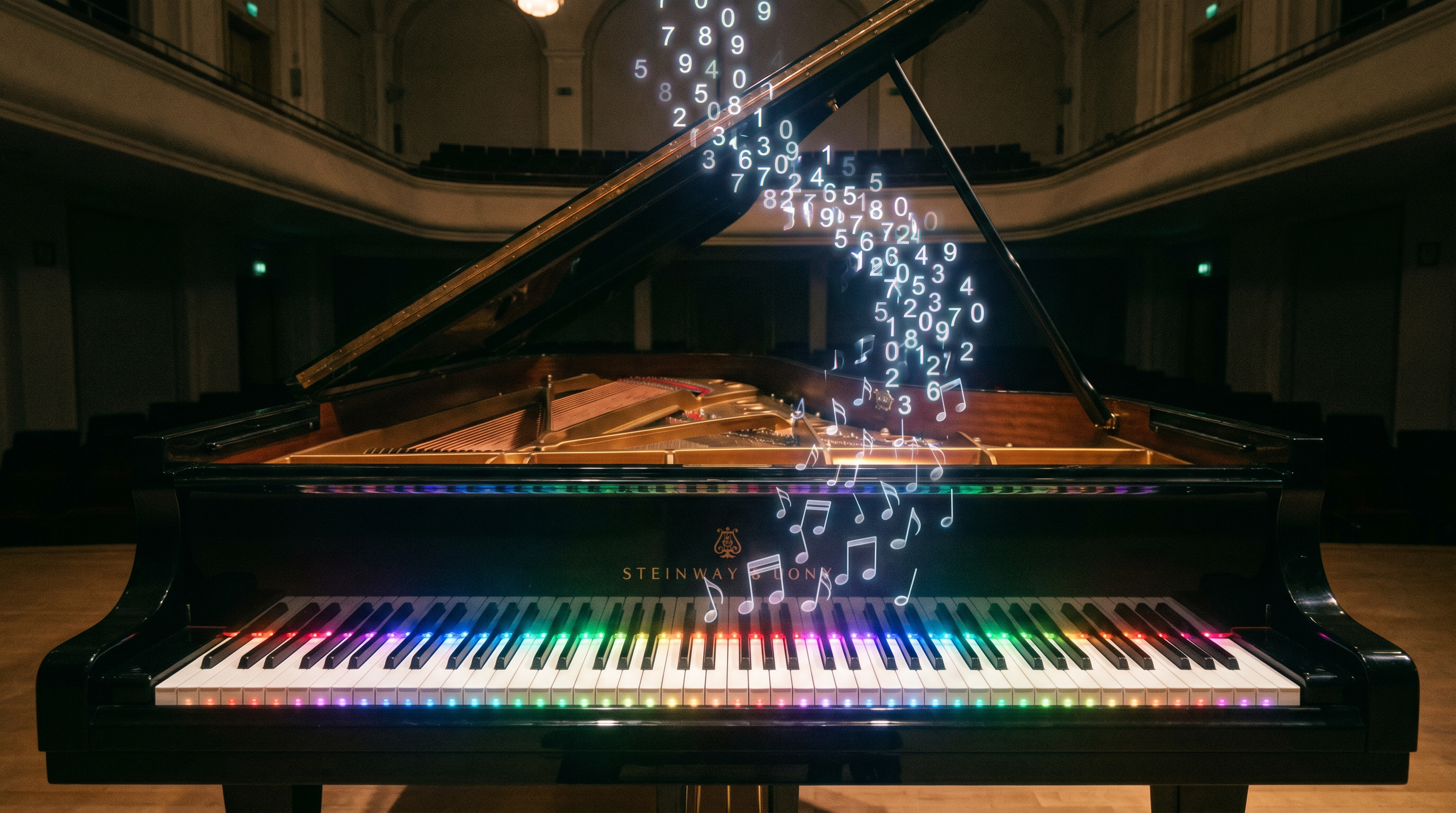
Have you ever wondered how a computer writes a melody? It starts by treating music like a complex puzzle, turning every beat and rhythm into data it can easily read.

Computers analyze millions of songs to find patterns. They look for how chords usually follow one another, learning the 'rules' of harmony that make a song sound pleasant.
Once the computer knows these patterns, it uses probability. It asks, 'After this chord, which note is most likely to come next?' to build a sequence that feels natural.
Listen to your favorite song. Can you predict the next chord before it plays? If you can, your brain is doing exactly what the software does—recognizing musical probability.

This process creates original music by recombining learned structures. It is like taking thousands of building blocks and arranging them into a design that has never existed before.
Some think computers 'steal' music, but they actually learn the math behind the style. They don't copy specific files; they learn the logic of how sound waves fit together.
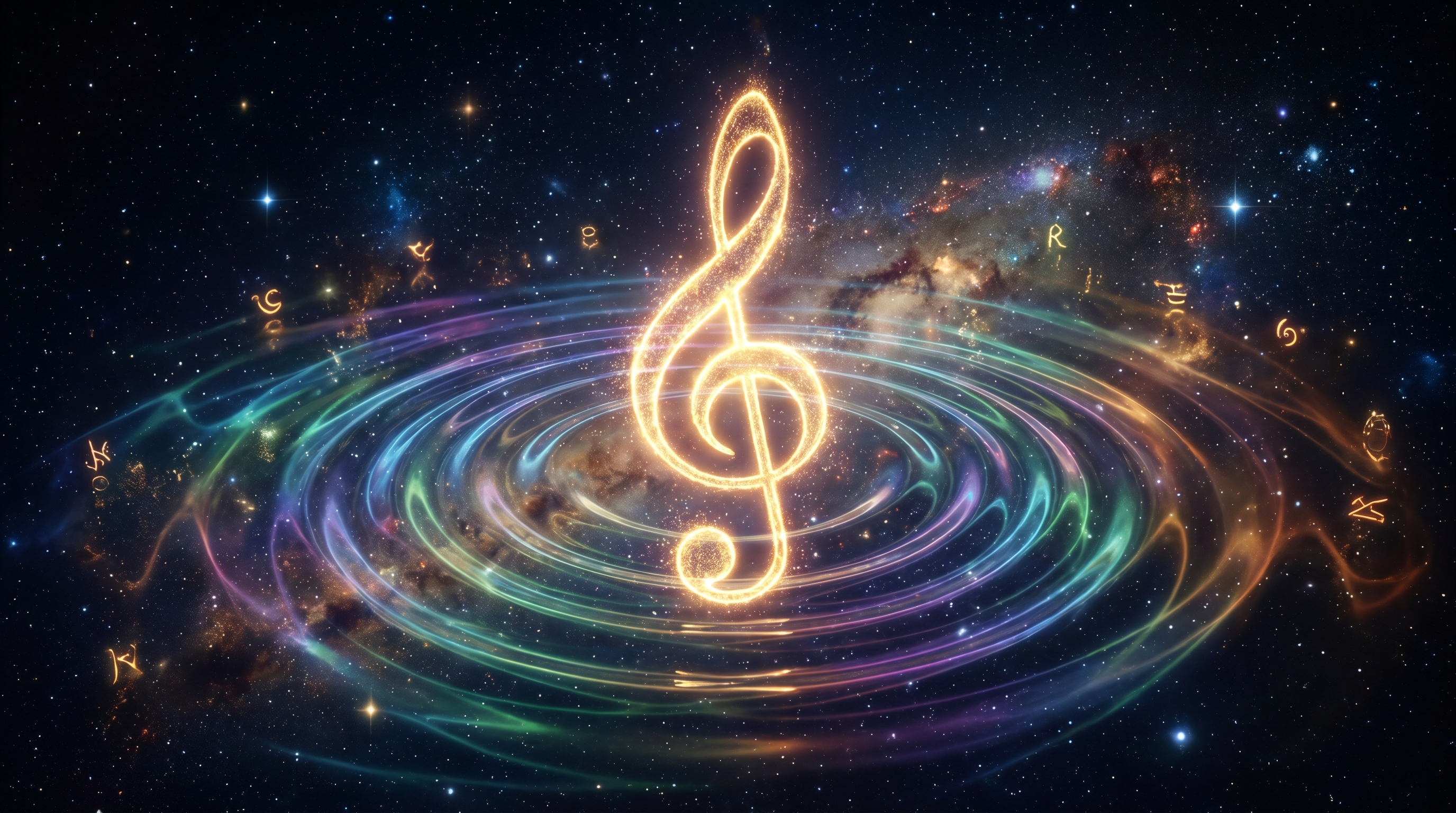
You have learned that music is built on predictable patterns. But if computers can master the math of melody, can they truly understand the emotion behind a song? What do you think?
Describe any idea in a sentence and Remee builds it for you — stories, games and quizzes on whatever you or your class are working on. Free to start, no card needed, and everything you make gets a link you can share anywhere.
Remee turns any idea into an illustrated story, a playable game, or an interactive quiz — at home or in the classroom.