 Lesson
This lesson explores the neurological and physical power of music, explaining how it bypasses logical processing to reach the brain's emotional centers.
Have you ever felt a shiver down your spine just from hearing a melody? Music does something unique to our minds that a simple sentence or a speech often cannot achieve.

Music is built on patterns of frequency and rhythm. Unlike language, which requires us to decode specific meanings, music hits the brain's emotional processing centers almost immediately and without filters.
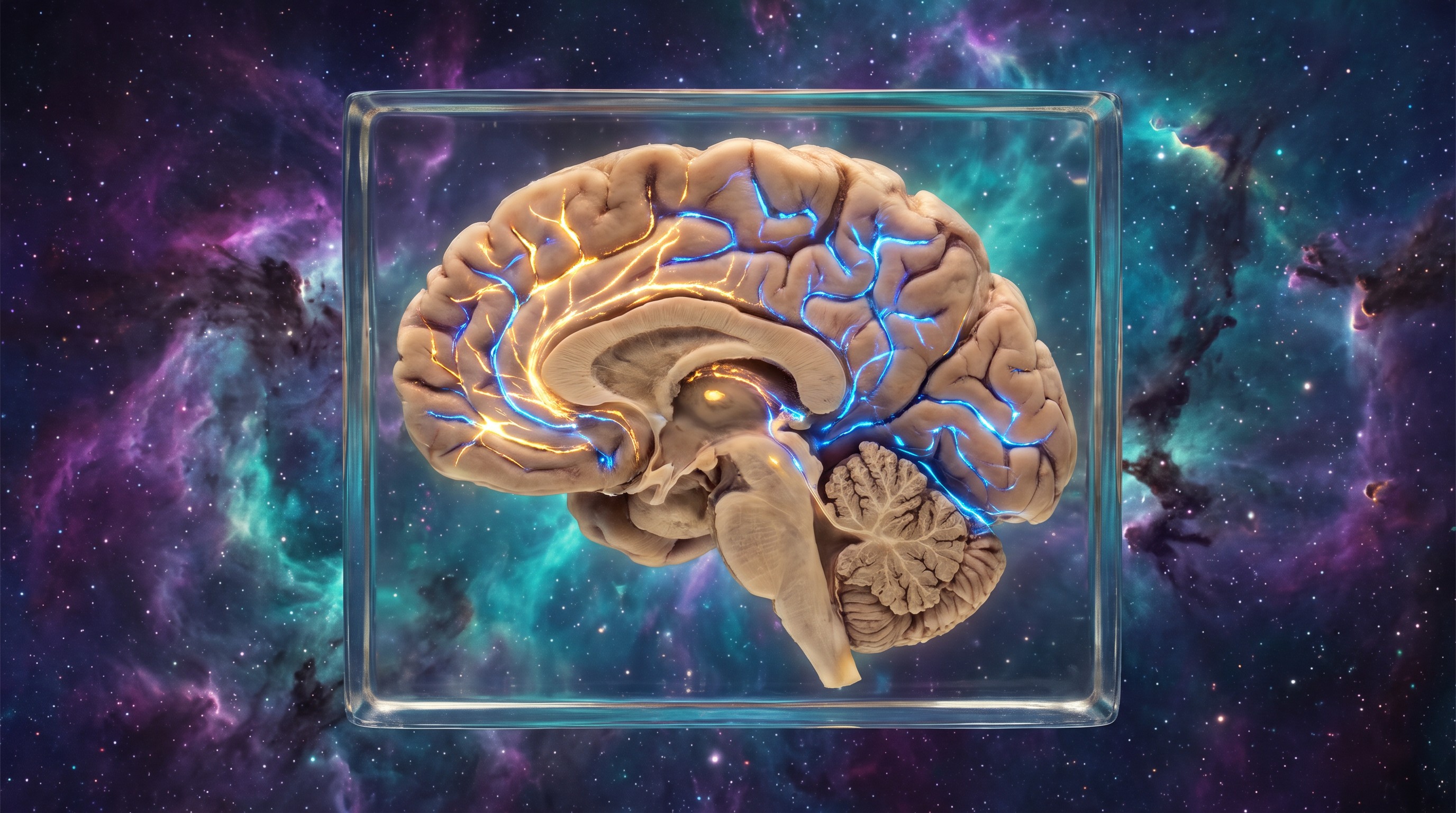
When we hear music, our brains synchronize with the rhythm. This process, called neural entrainment, allows sound to influence our heart rate and even the electrical activity in our brain.

Think about a time you heard a fast-paced song versus a slow, steady one. How does your own body change its physical pace when you listen to these two different tempos?

This is why movie soundtracks work so well. They use specific musical intervals and tones to trigger feelings of suspense or comfort, guiding your mood before you even process the scene.

Some think music is just 'background noise' for our brains, but science shows it is actually a full-brain workout. It activates memory, logic, and emotion simultaneously, not just one part.

Music connects our physical senses to our deepest emotions through rhythmic synchronization. But if music can change our brain waves, could we eventually use specific frequencies to heal? Let's explore.
Describe any idea in a sentence and Remee builds it for you — stories, games and quizzes on whatever you or your class are working on. Free to start, no card needed, and everything you make gets a link you can share anywhere.
Remee turns any idea into an illustrated story, a playable game, or an interactive quiz — at home or in the classroom.