 Lesson
This lesson explores the neurological mechanisms of dreaming, from memory consolidation to emotional regulation, while separating fact from common myths.
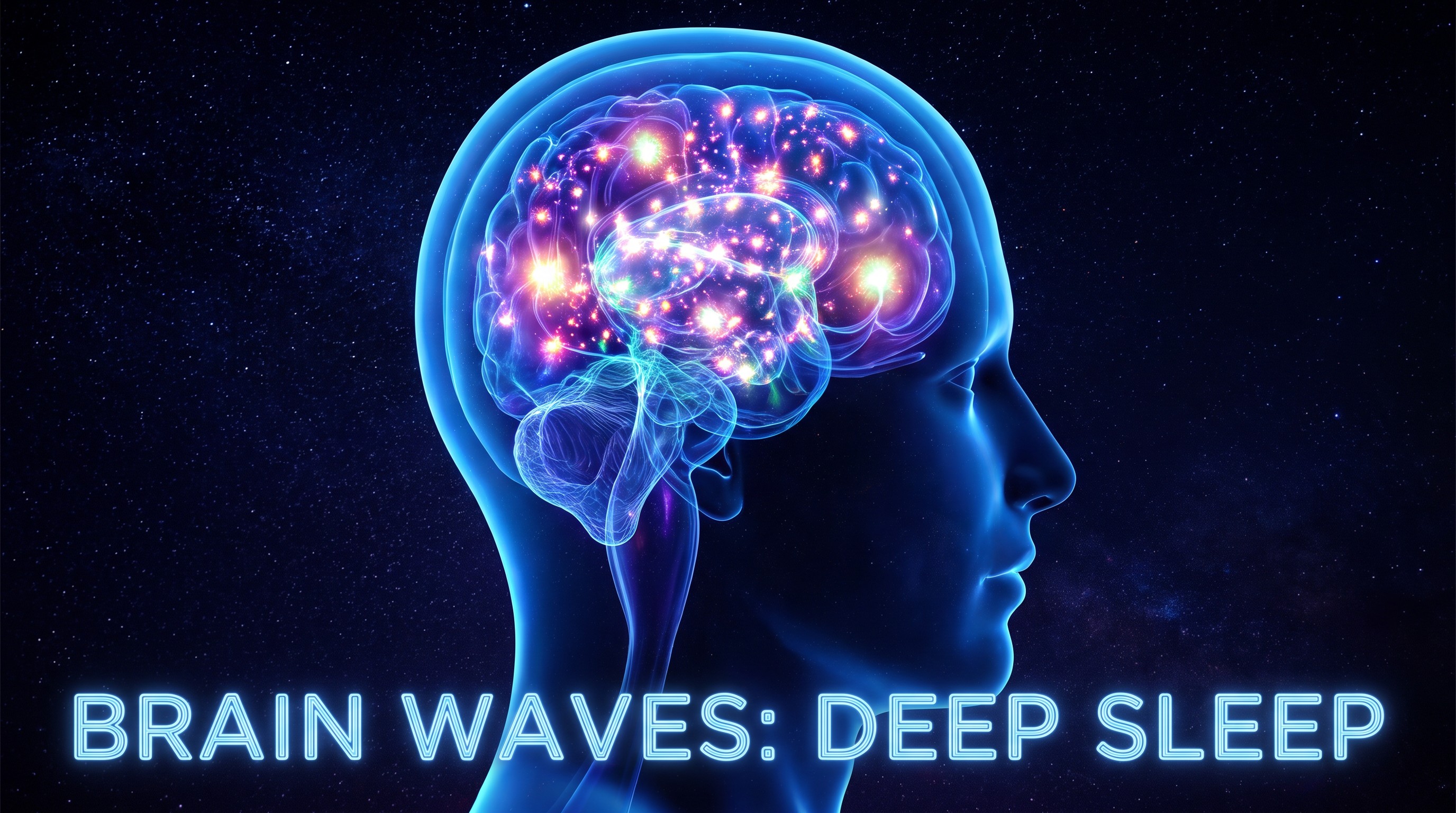
Have you ever wondered why your brain creates vivid movies while you sleep? Dreaming isn't just random static; it is a vital biological process that keeps your mind sharp and healthy.

During REM sleep, your brain is surprisingly active. It processes the day's events, strengthening important memories while clearing out unnecessary information to keep your mental storage space organized and efficient.
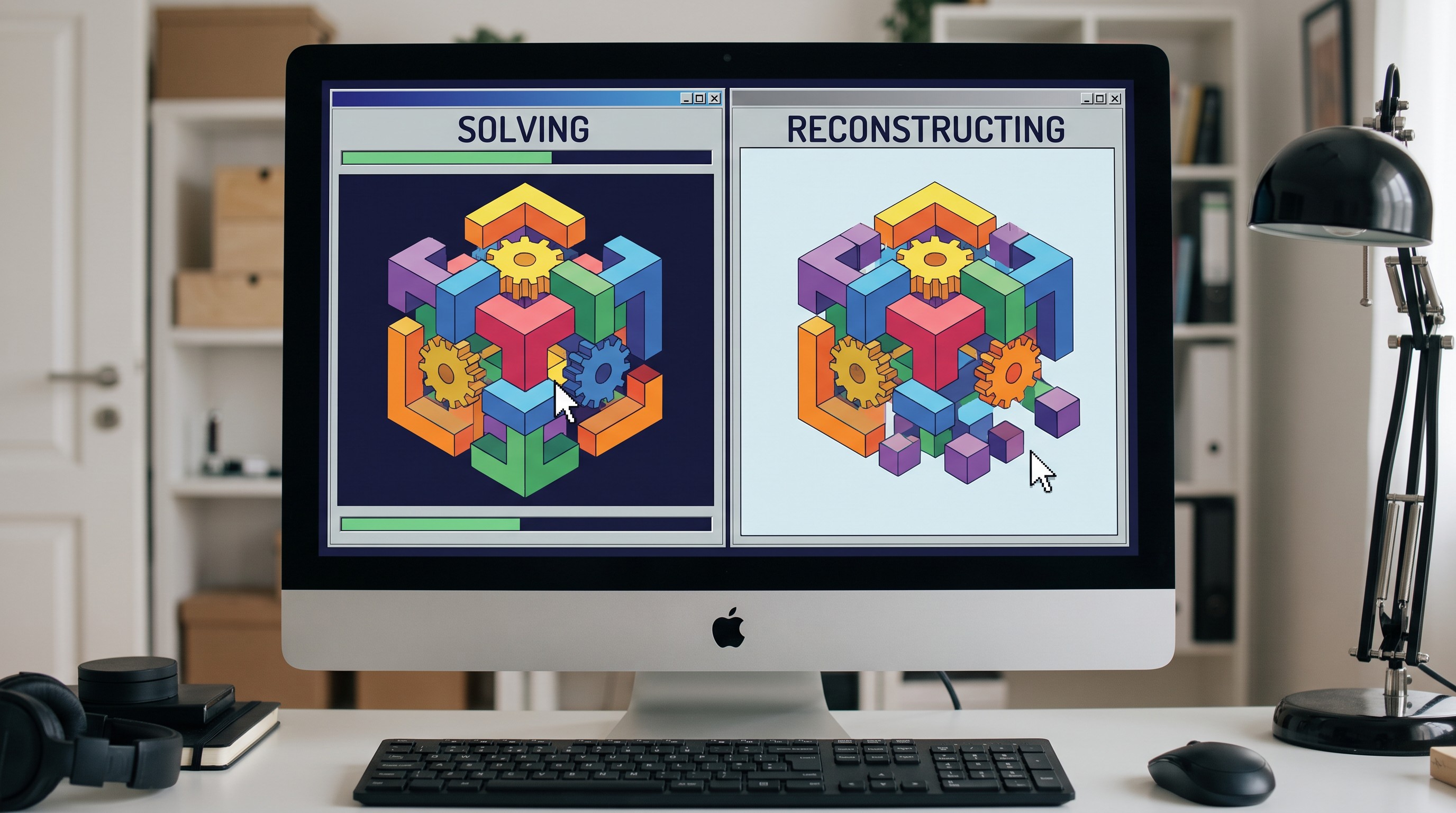
Think of dreaming as a rehearsal. Your brain replays complex tasks or social interactions, helping you learn and prepare for future challenges without any of the real-world risks involved.

Ever noticed how you sometimes dream about things you learned earlier that day? If you study a new topic before bed, does it help you recall it better the next morning?

Dreams also act as an emotional buffer. By replaying stressful events in a safe, dream-like state, your brain helps lower the emotional intensity, allowing you to wake up feeling more balanced.

Many think dreams are hidden messages from the universe. Scientifically, they are actually your brain's attempt to interpret random neural firing patterns, turning electrical signals into a coherent, meaningful story.

Dreams organize our memories, regulate emotions, and sharpen our skills. But if our brains are just processing data, why do some dreams feel so strange? That is a mystery scientists are still solving.
Describe any idea in a sentence and Remee builds it for you — stories, games and quizzes on whatever you or your class are working on. Free to start, no card needed, and everything you make gets a link you can share anywhere.
Remee turns any idea into an illustrated story, a playable game, or an interactive quiz — at home or in the classroom.