 Lesson
This lesson breaks down the impact of government corruption into four distinct tiers, explaining how public resources are affected as corruption levels rise.

Have you ever wondered why some countries have smooth roads and great parks while others struggle? It often comes down to how a government manages its resources and prevents corruption.
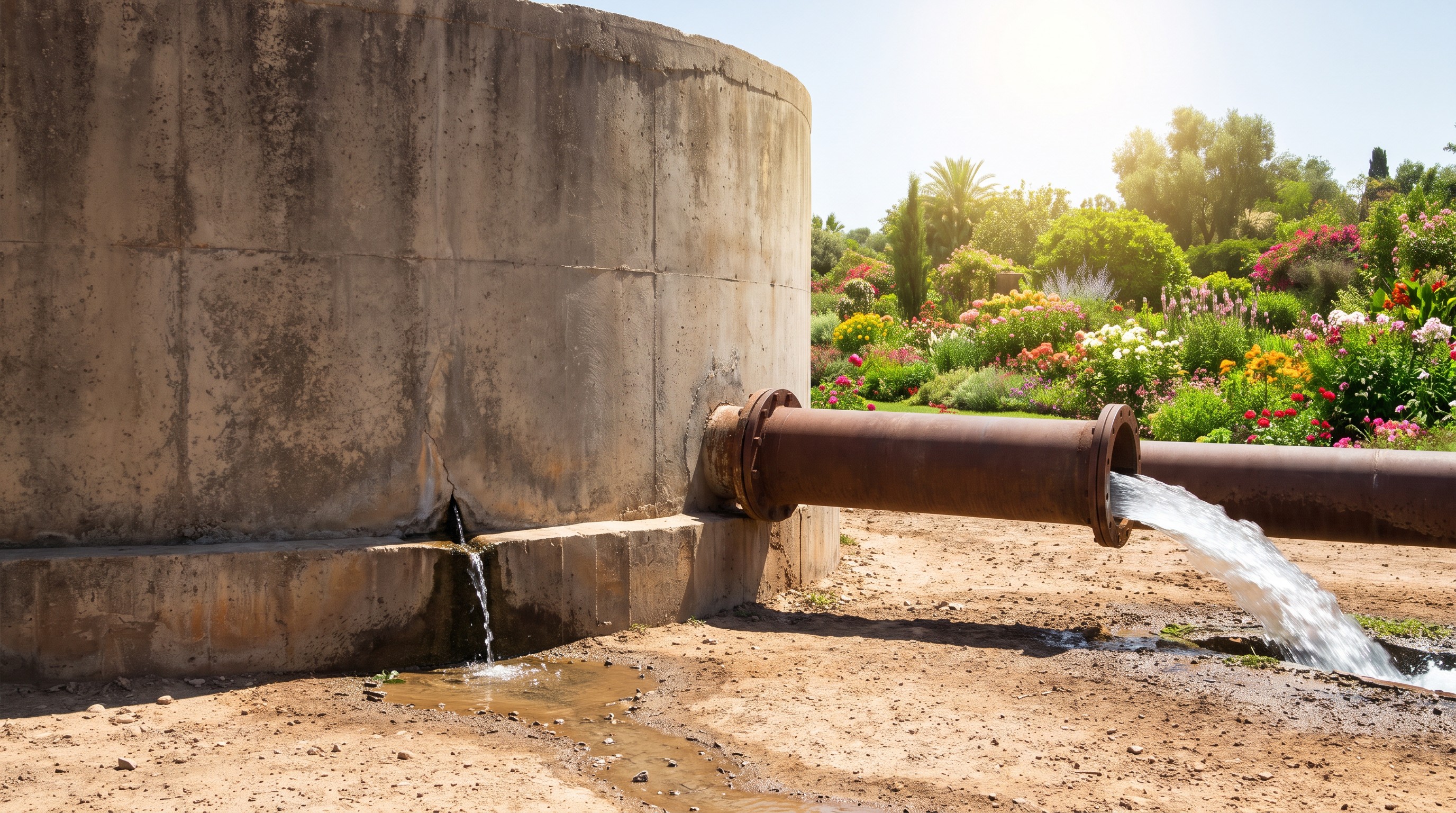
Corruption is the misuse of public power for private gain. At a 10 percent level, it causes minor delays in services. Resources are mostly used correctly, but small inefficiencies occasionally slow progress.
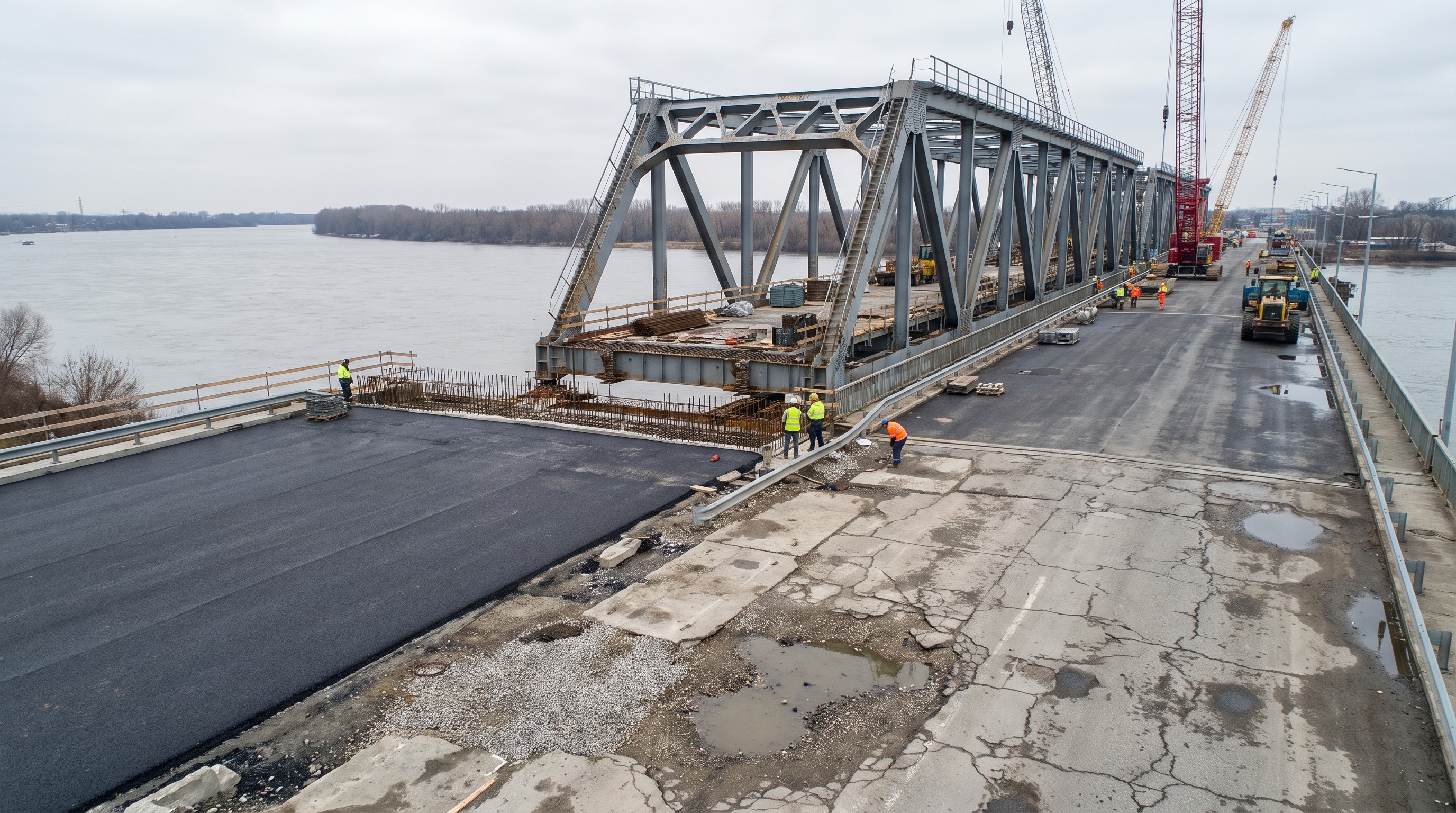
At 30 percent, the impact grows. Public projects like schools or hospitals become more expensive because funds are diverted. You might notice inconsistent maintenance of public spaces and less reliable service delivery.

Imagine a public project meant for everyone. If 50 percent of the budget vanishes, can the project still function? How would that change the quality of your daily commute or local school?

At 70 percent, the system struggles to provide basic needs. Essential infrastructure decays rapidly because funds are drained. This high level of corruption creates deep inequality and erodes public trust in institutions.
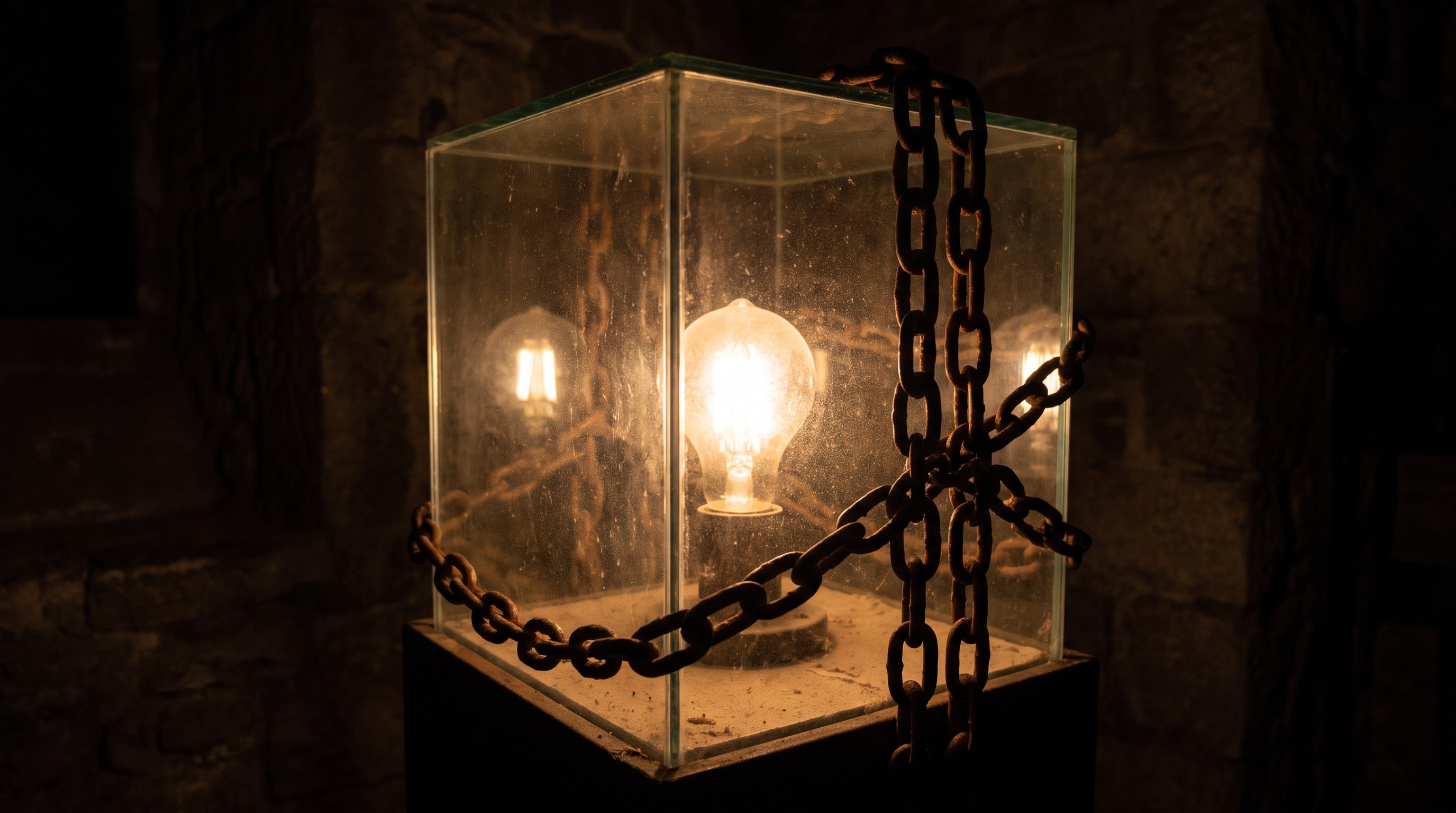
Some think corruption only affects money, but it actually stunts innovation. It is not just about lost cash; it is about the lost potential of bright ideas that never get funding or support.
We have seen how corruption acts as a drain on societal growth. But what mechanisms, like transparency laws or independent audits, have proven most effective at stopping this drain? That is our next mystery.
Describe any idea in a sentence and Remee builds it for you — stories, games and quizzes on whatever you or your class are working on. Free to start, no card needed, and everything you make gets a link you can share anywhere.
Remee turns any idea into an illustrated story, a playable game, or an interactive quiz — at home or in the classroom.