 Story
StoryIn a 2050s fishing village, Juma and his community must overcome deep-seated, ancient divisions to survive.
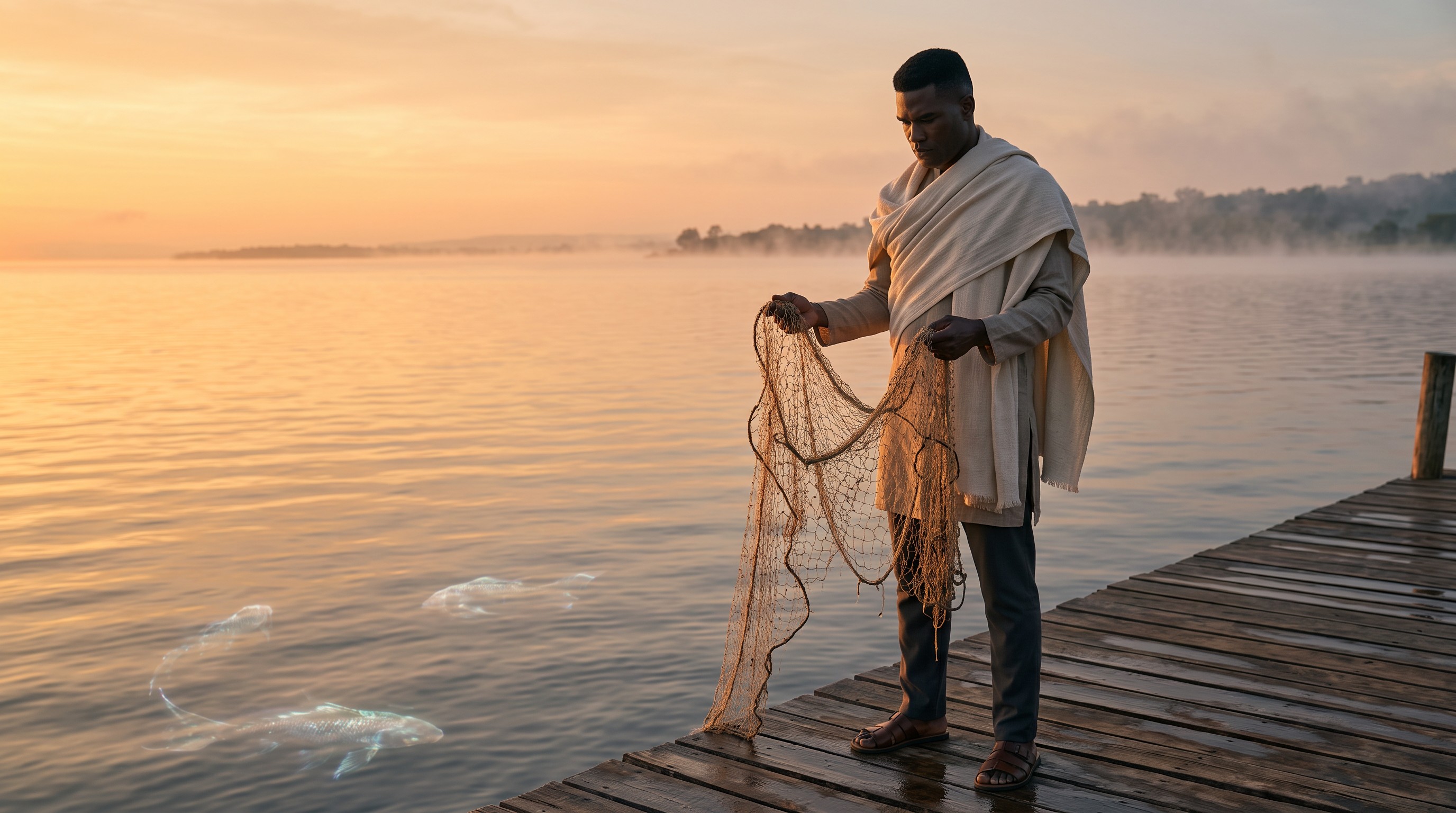
By the shores of Lake Victoria in 2055, Juma watches the nets come up empty. For generations, our ancestors clung to separate beliefs, dividing the waters by ancient tribal lines.
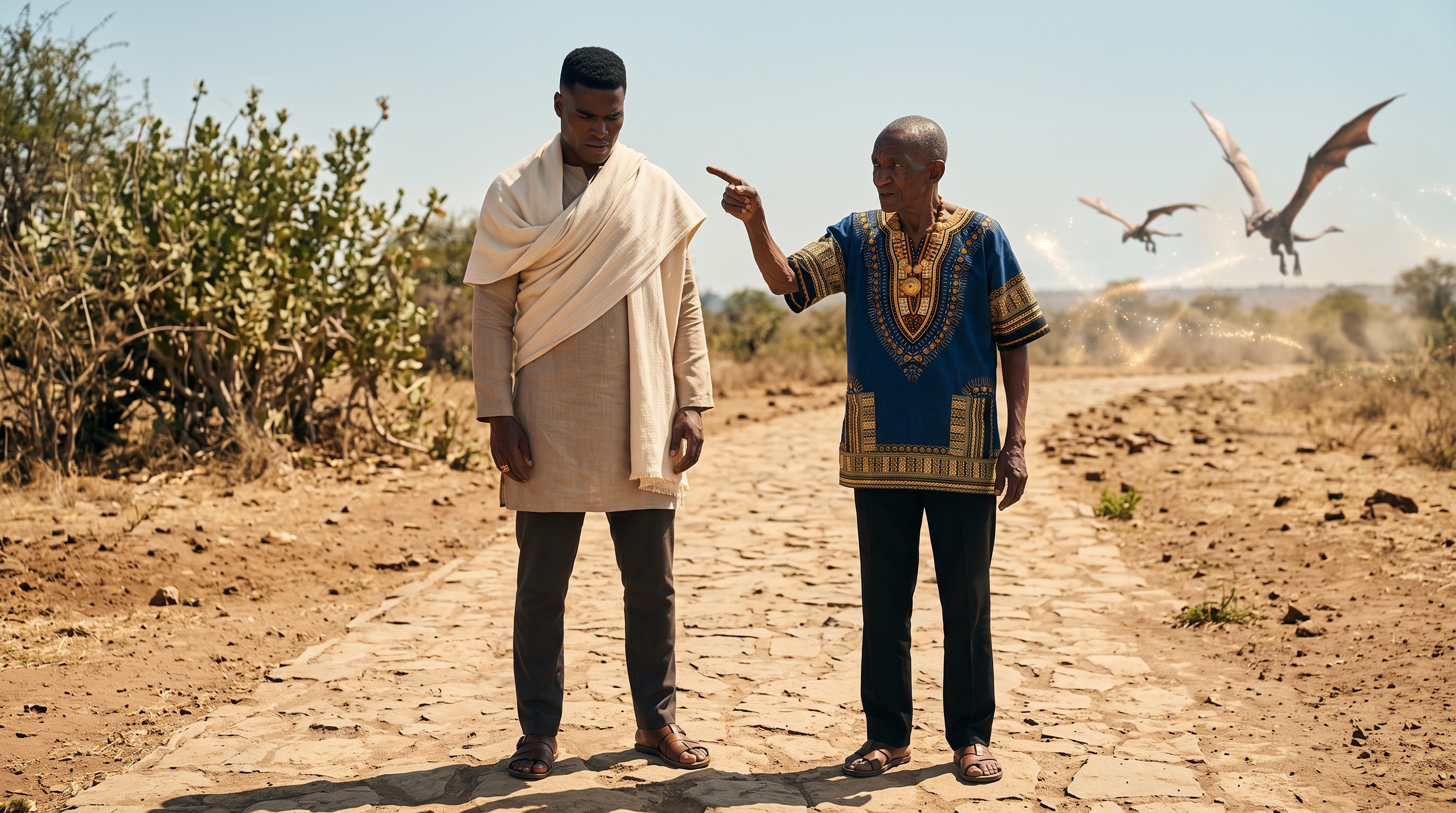
Mzee Kito, the village elder, insists the scarcity is a sign of ancestral displeasure. He demands we maintain our separate camps, blaming others for the dwindling supply of fish.
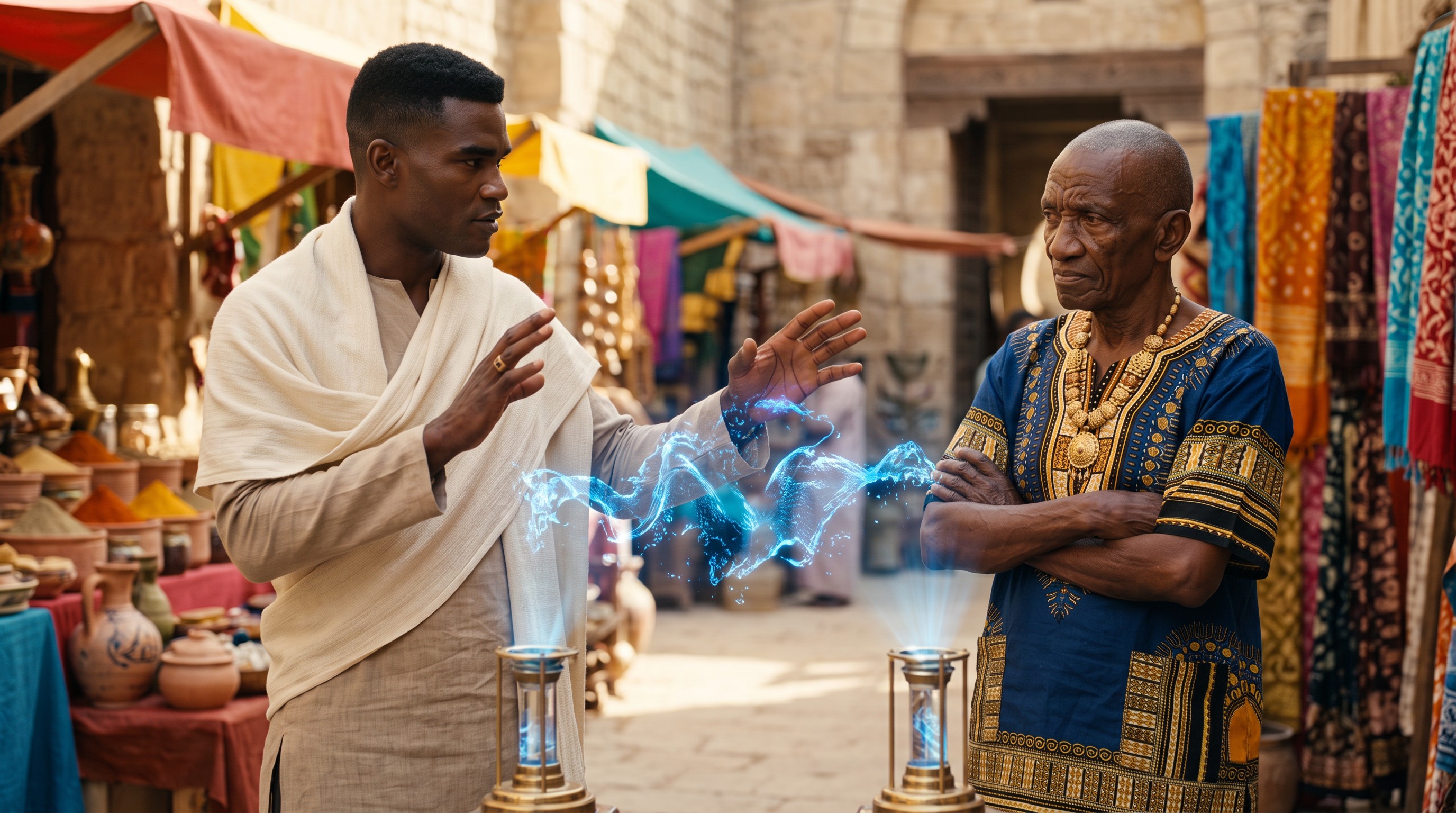
But the data proves otherwise. Juma knows that our survival depends on one unified way of thinking. He argues that our tribal history has blinded us to the environmental reality.
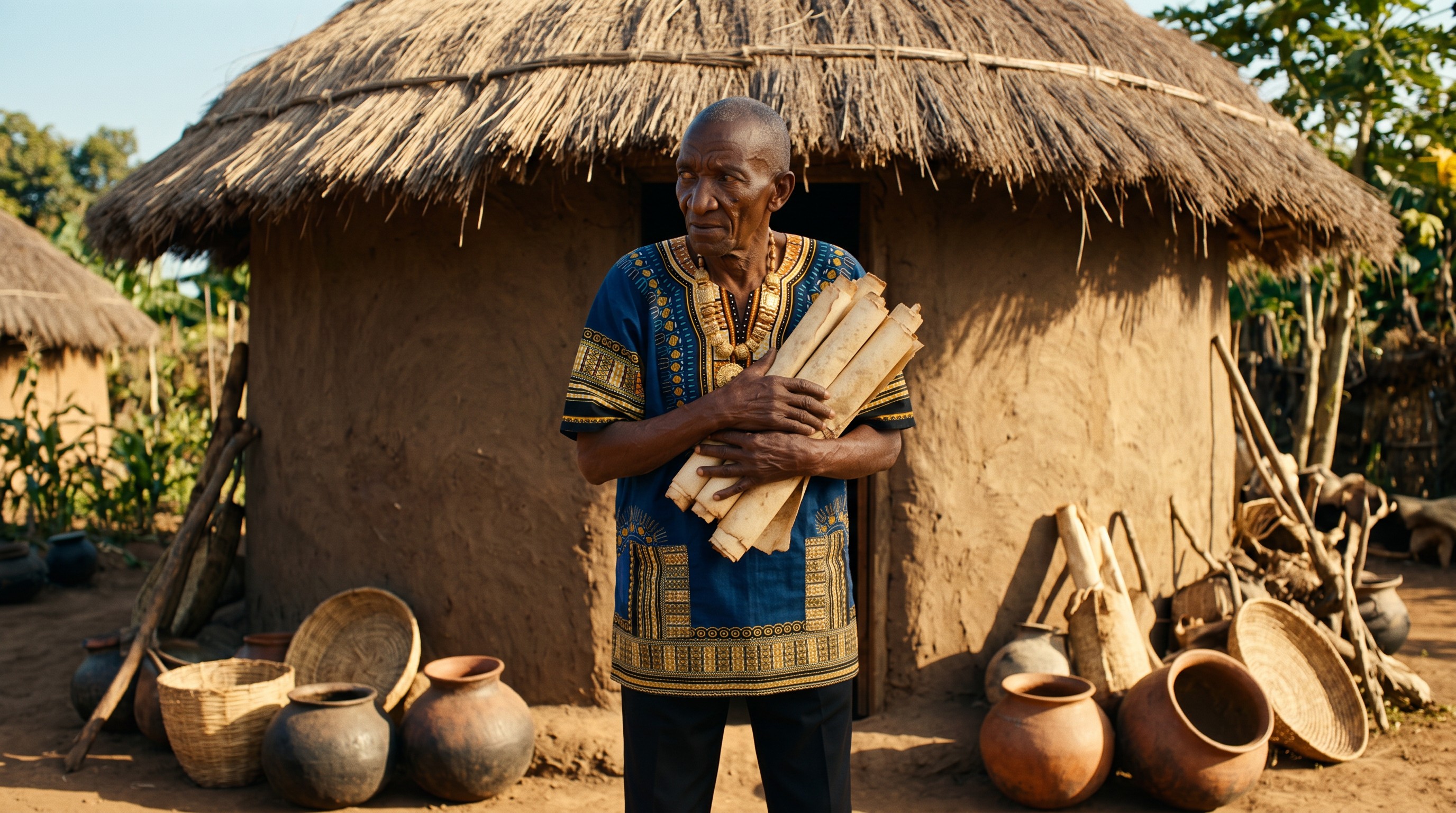
Mzee Kito is the architect of this division, fearing that if we lose our distinct beliefs, we lose our identity. He fights to keep the village trapped in historical silos.

Juma gathers the youth, showing them that the lake responds to collective care, not separate rituals. Slowly, the villagers begin to shed their long-held tribal grievances for common sense.

As the village finally aligns on a single, shared purpose, the lake begins to show signs of recovery. Yet, in the shadows, Mzee Kito prepares one final, desperate act.
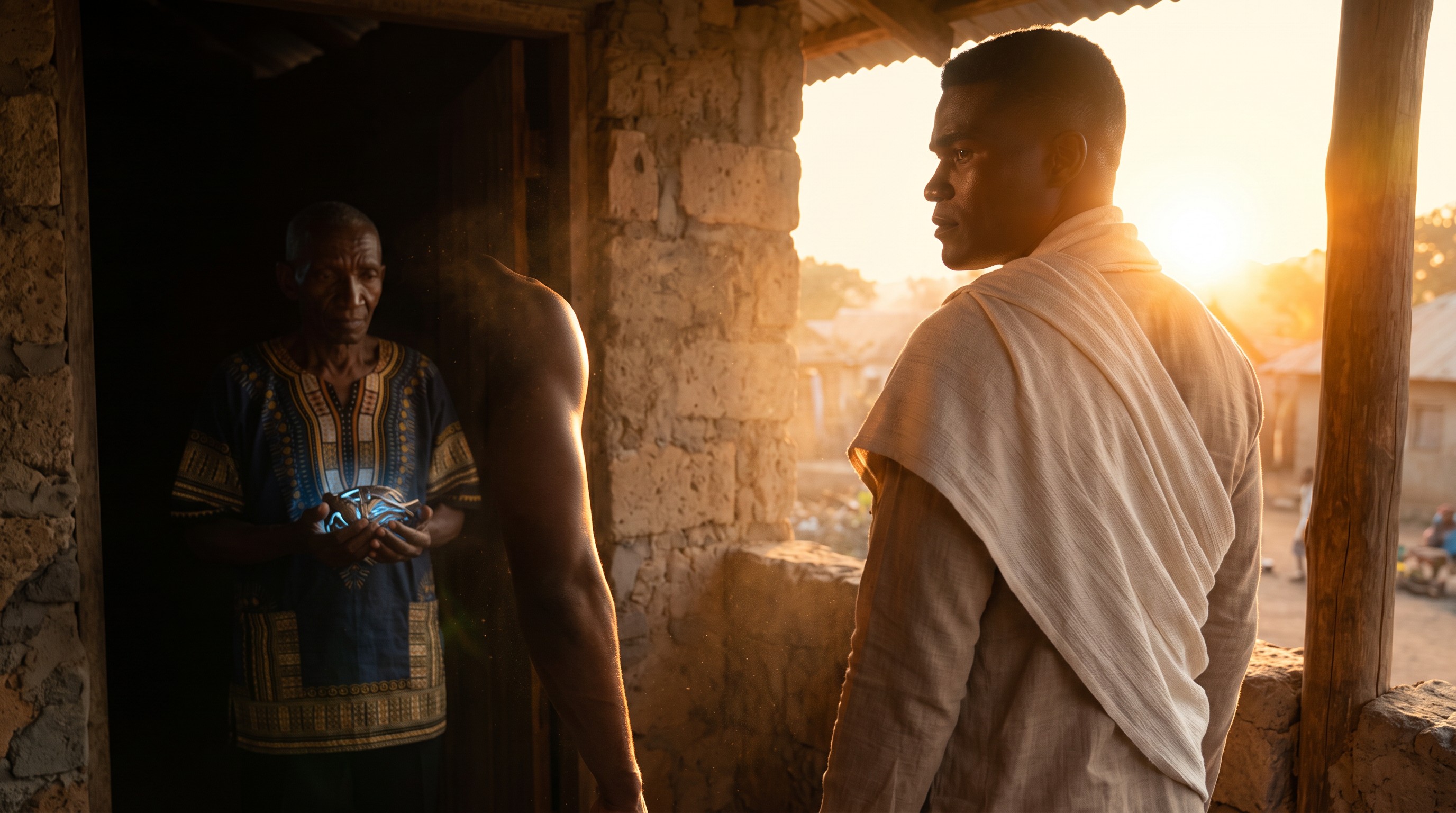
The community celebrates their newfound unity, unaware that the core of their belief system is about to be shattered. What Mzee Kito hides will change everything we understand about history.
Describe any idea in a sentence and Remee builds it for you — stories, games and quizzes on whatever you or your class are working on. Free to start, no card needed, and everything you make gets a link you can share anywhere.
Remee turns any idea into an illustrated story, a playable game, or an interactive quiz — at home or in the classroom.