 Lesson
A journey through the mechanics of lift, the physics of air speed, and the reality of turbulence.
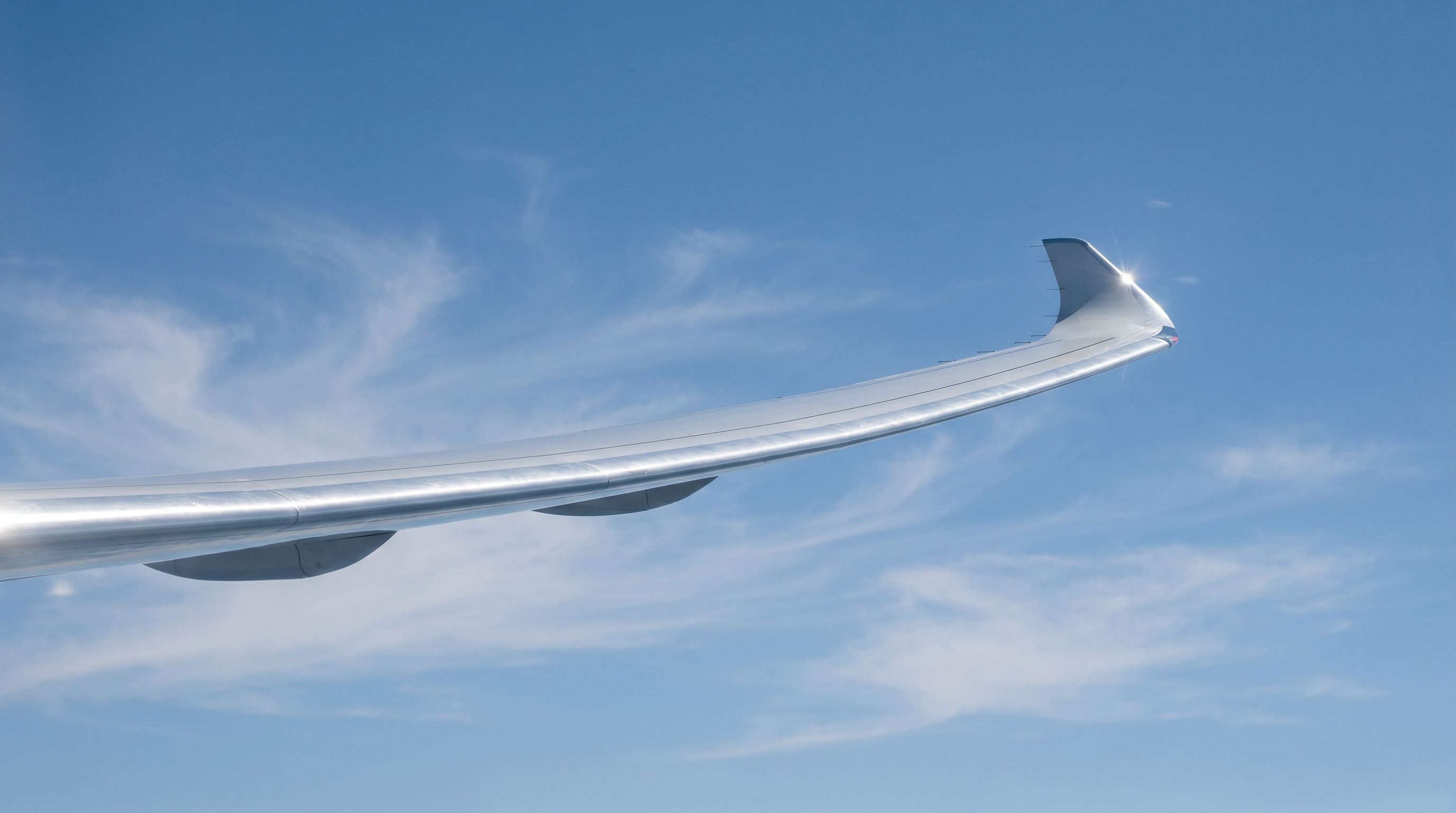
Have you ever wondered how a massive metal plane stays in the sky? It isn't magic; it is a fascinating dance between the shape of the wings and the moving air.
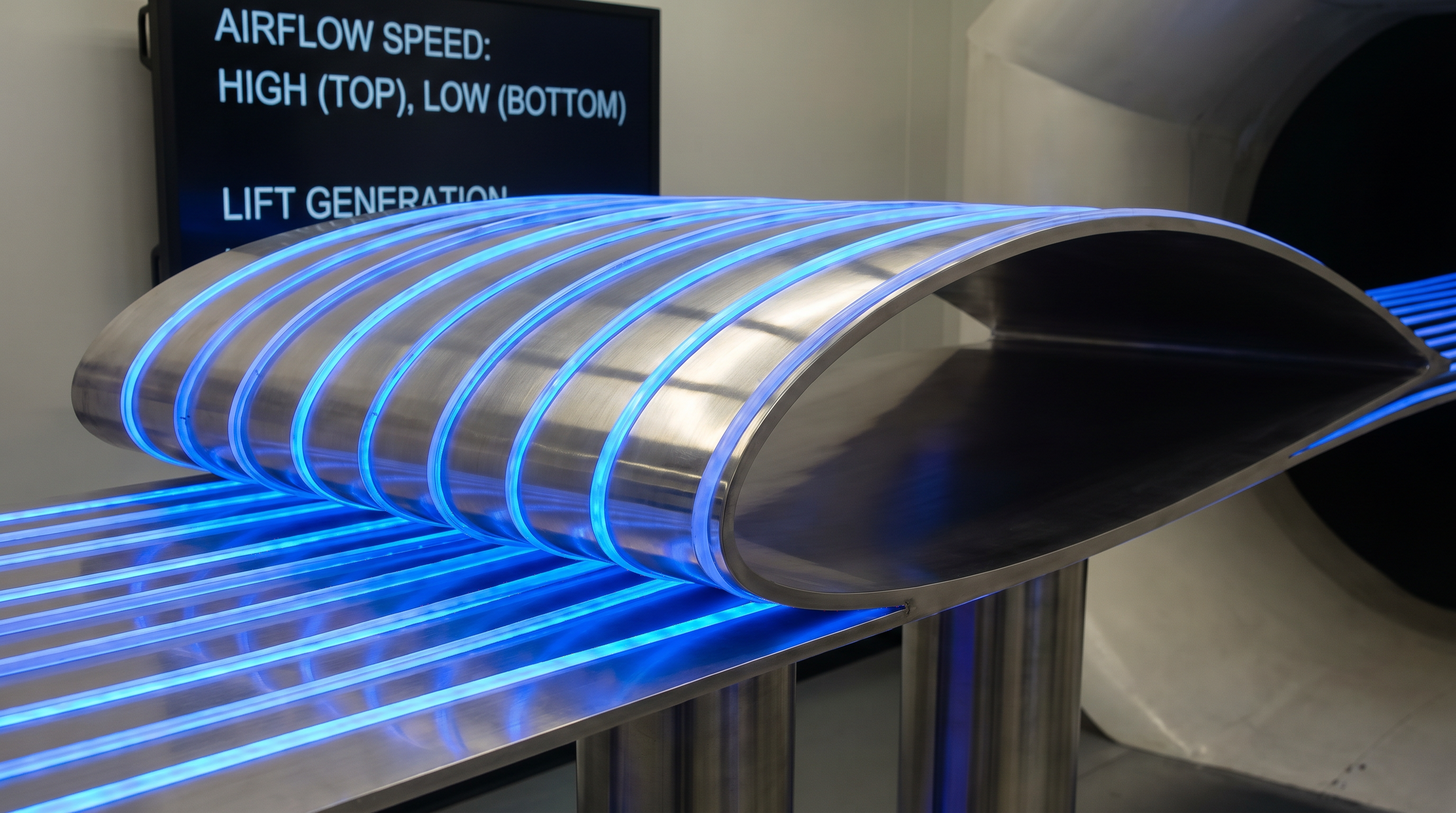
Wings are shaped like a teardrop. This special design forces air to move faster over the curved top than underneath, creating a difference in pressure that pushes the wing upward.
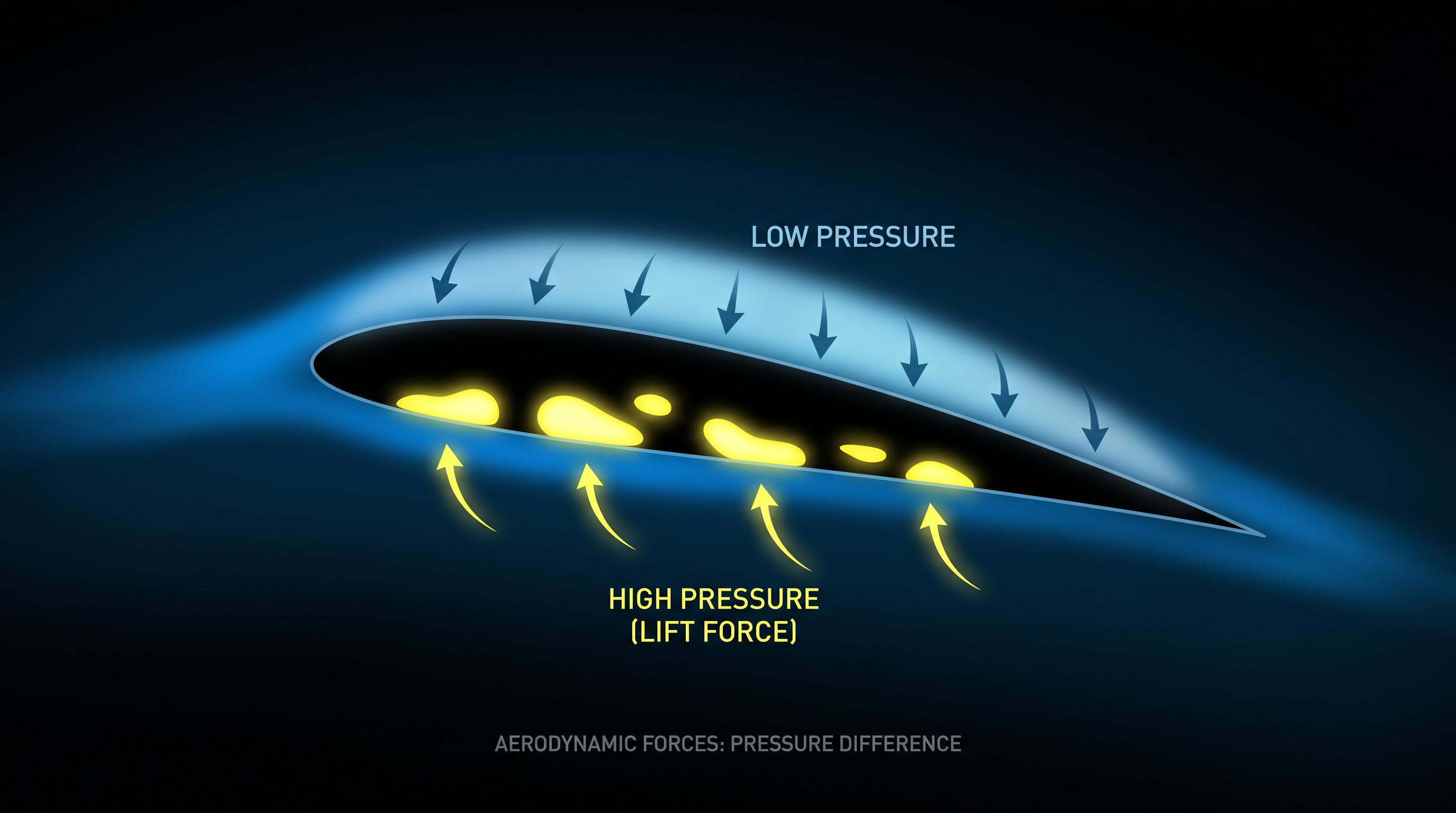
As the air speeds up over the top, it creates lower pressure. Meanwhile, the slower air underneath pushes up with higher pressure. This upward force is what we call lift.

Think about a windy day. When you hold your hand out a car window at an angle, you feel the air push your hand up. How does the angle of the wing change this force?
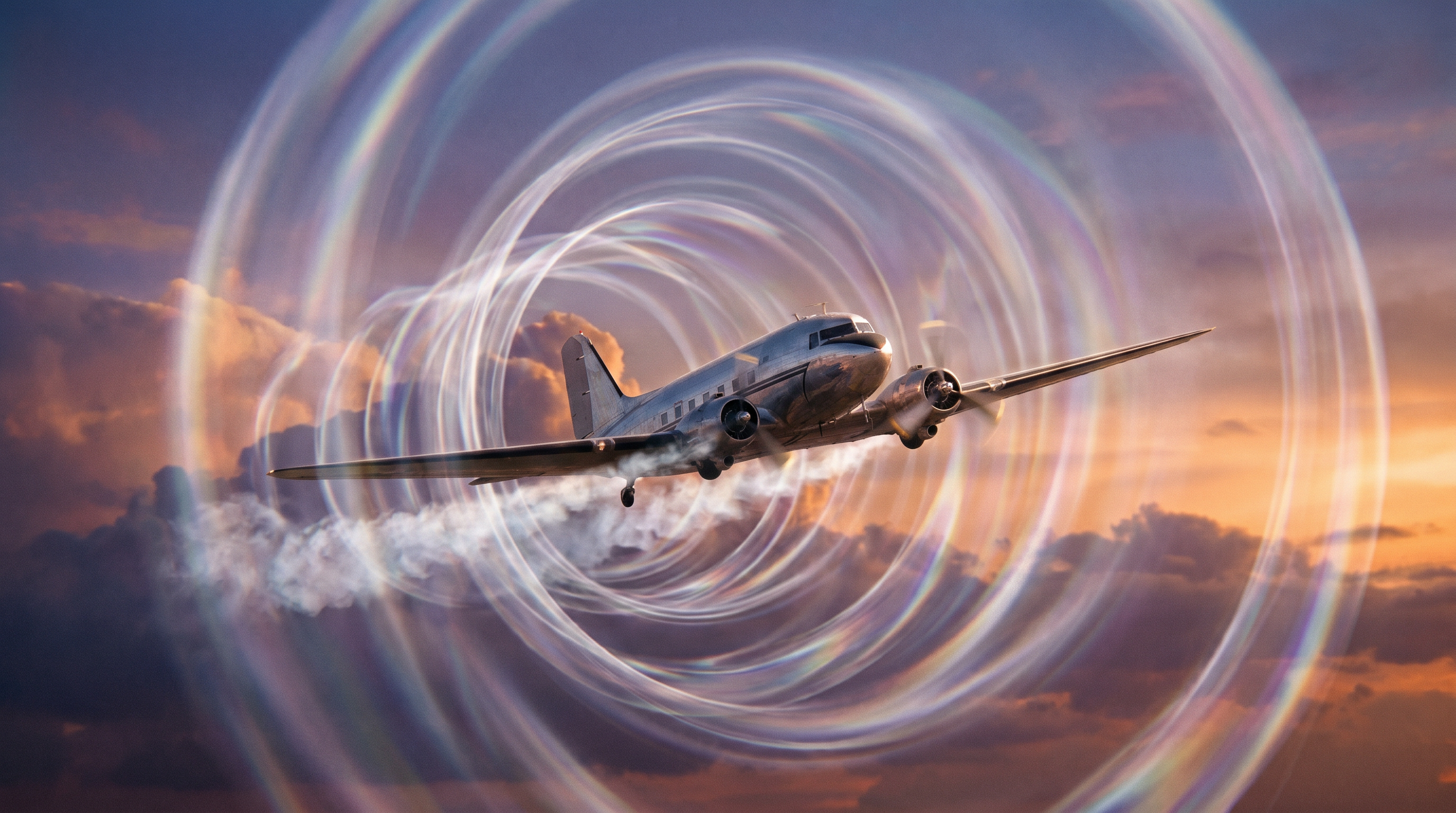
Turbulence happens when the plane flies through invisible pockets of bumpy air. Just like a boat hitting waves in the ocean, the plane moves up and down with the air.
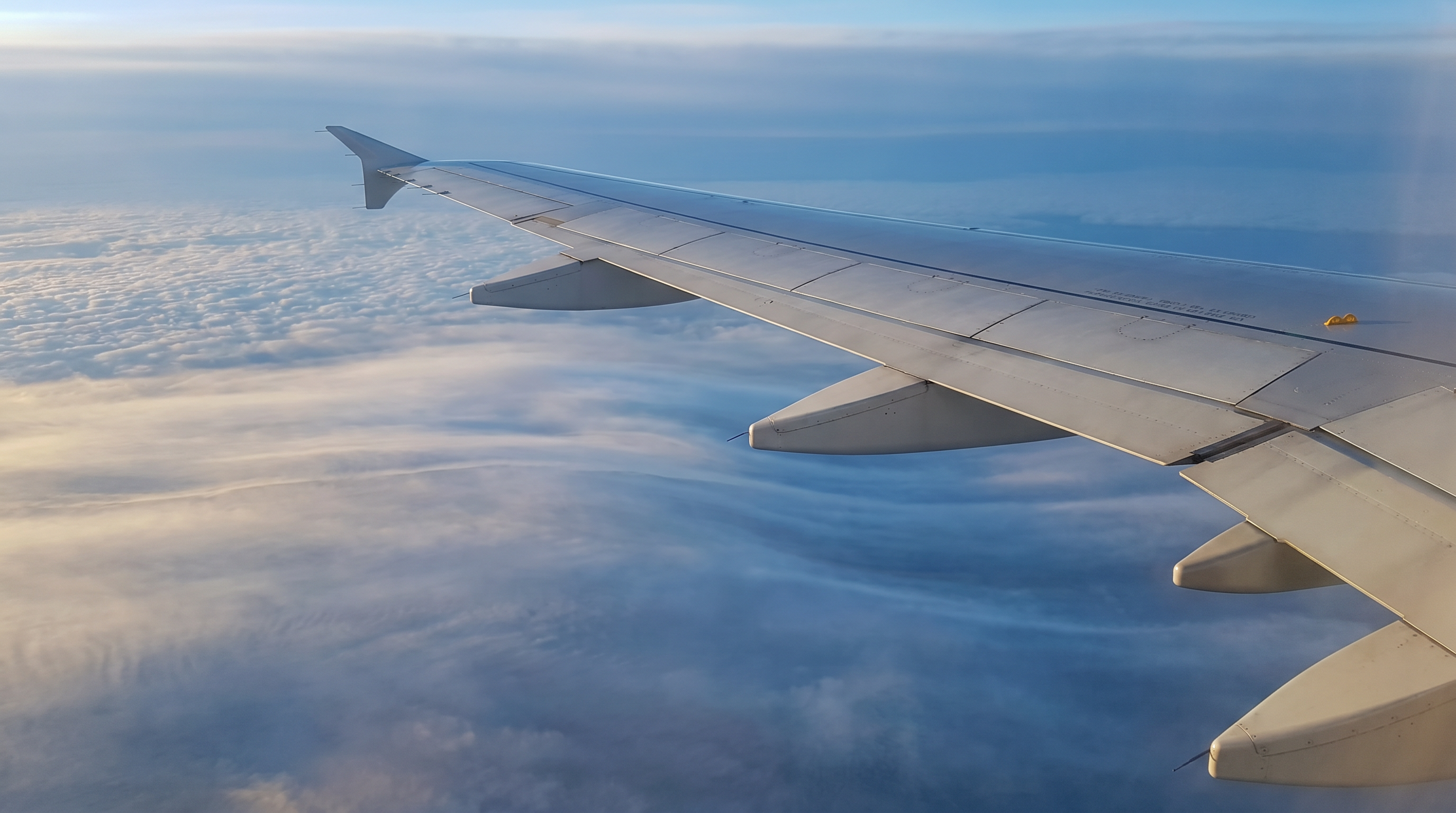
Some people think turbulence means the plane is falling, but that is a myth. The wings are still creating plenty of lift; the plane is just riding the bumpy air currents.
We learned that wings use pressure to create lift and air currents cause bumps. But if wings create lift, how do planes fly upside down? That is a mystery for next time!
Describe any idea in a sentence and Remee builds it for you — stories, games and quizzes on whatever you or your class are working on. Free to start, no card needed, and everything you make gets a link you can share anywhere.
Remee turns any idea into an illustrated story, a playable game, or an interactive quiz — at home or in the classroom.