 Lesson
This lesson explores the microscopic photonic crystals in chameleon skin that shift to create color, revealing that these displays are actually complex social signals.
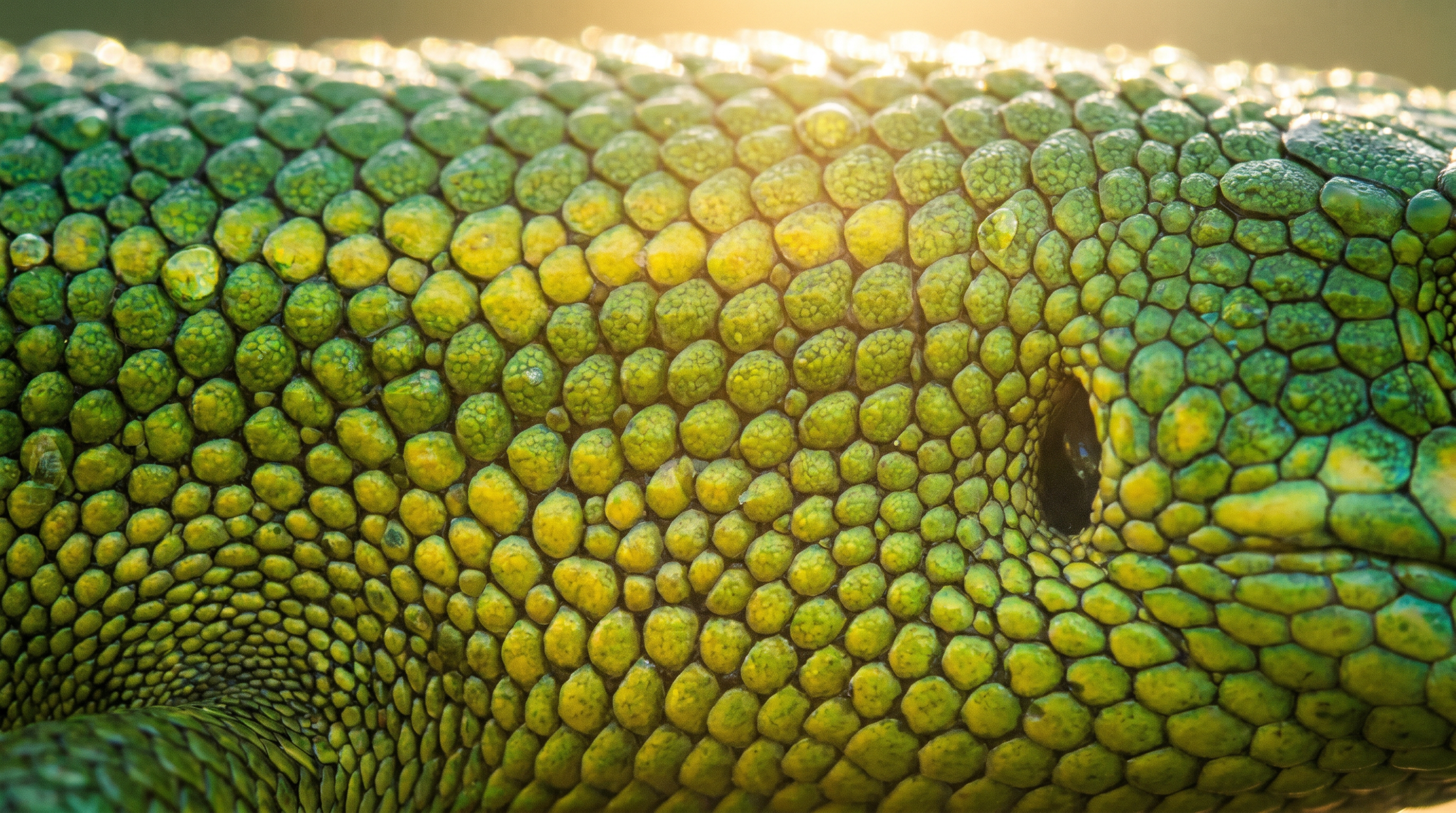
Have you ever wondered how a chameleon changes its bright skin color in a split second? It is not magic, but a tiny, hidden biological process happening right under their scales.
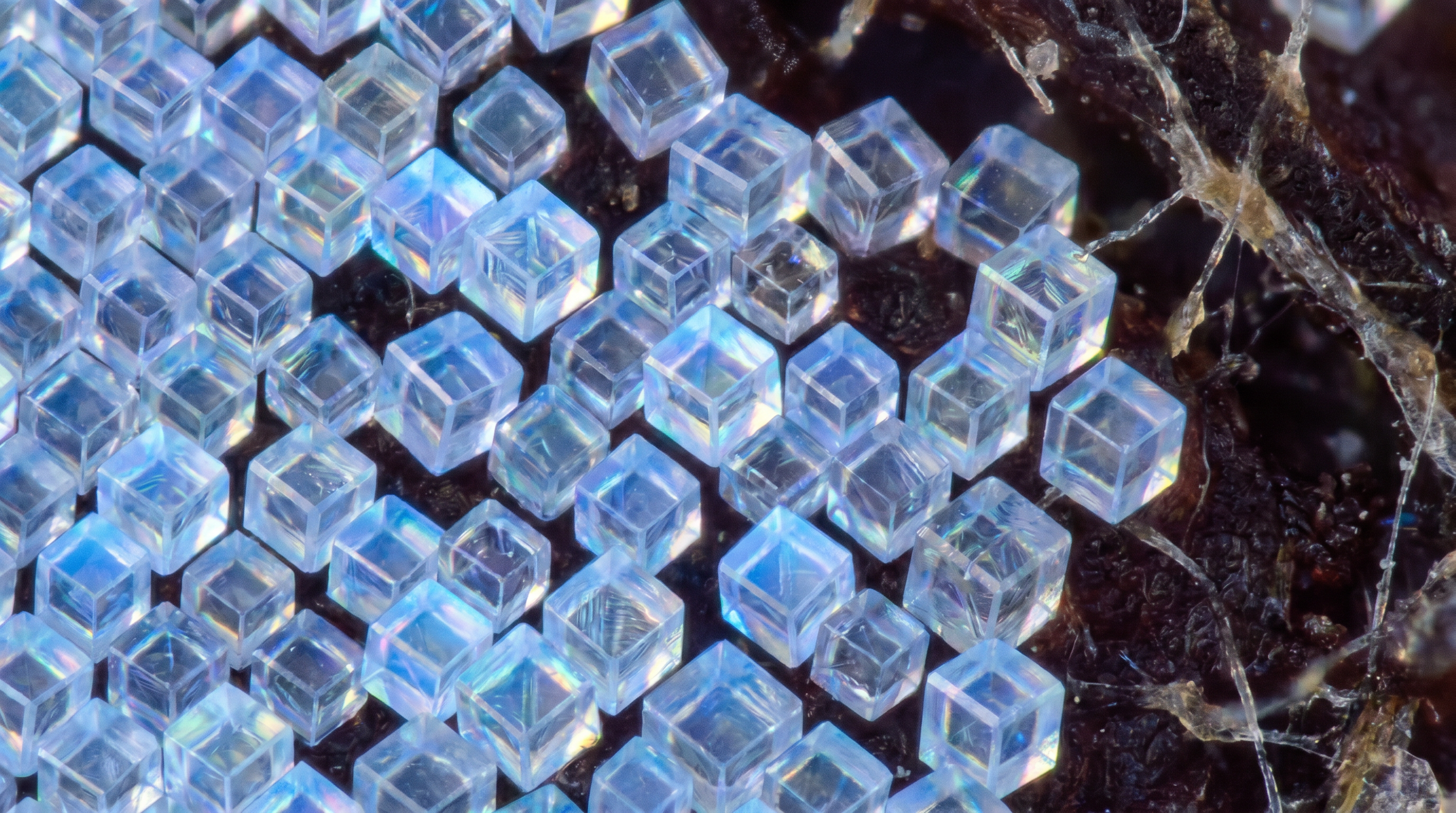
Inside the skin, there are special cells packed with tiny, invisible crystals. These crystals act like microscopic mirrors that catch light and reflect specific colors back to our eyes.
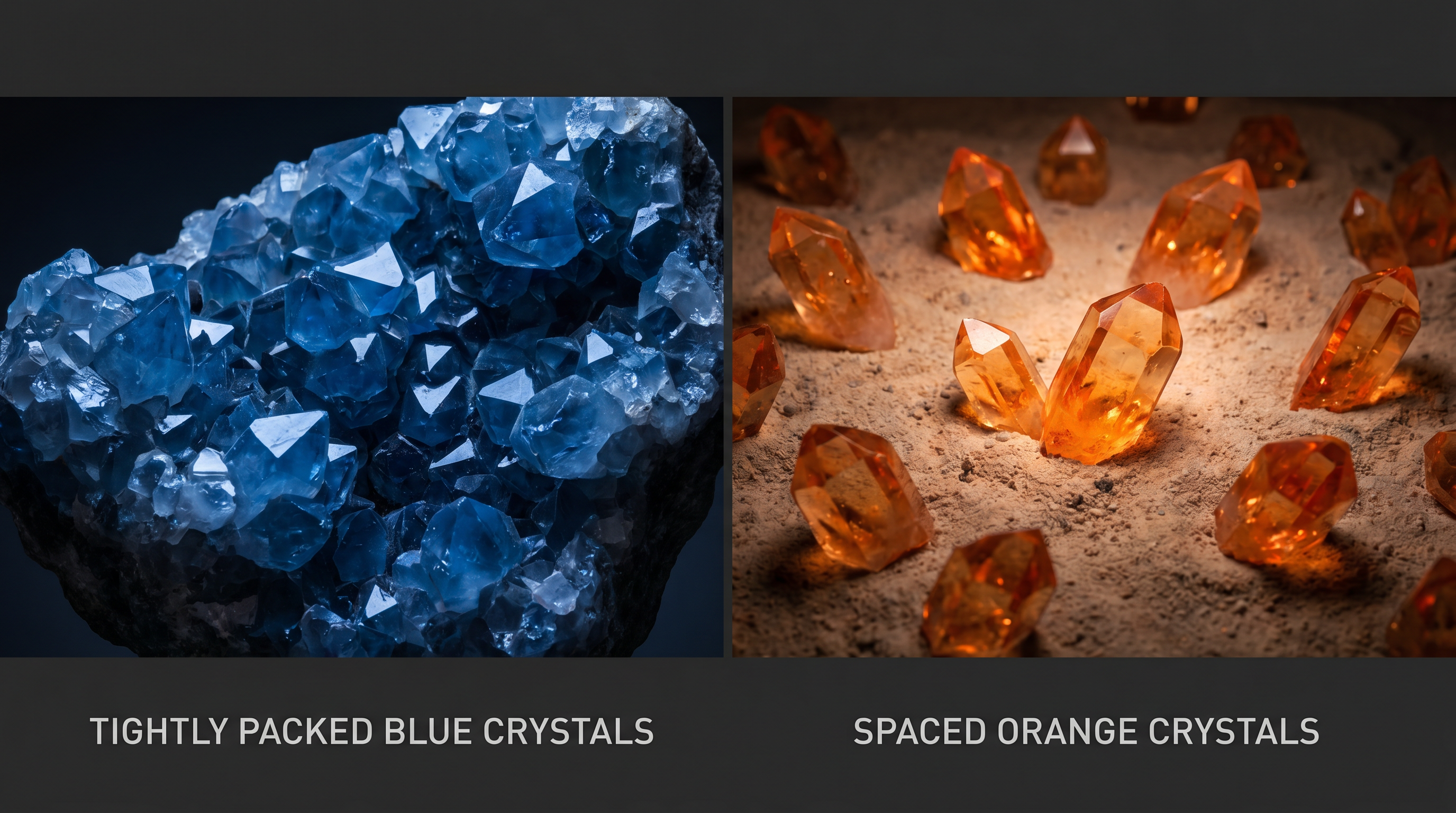
When the chameleon gets excited, its skin stretches or relaxes. This movement changes the distance between the crystals, which forces them to reflect different colors like blue, yellow, or red.
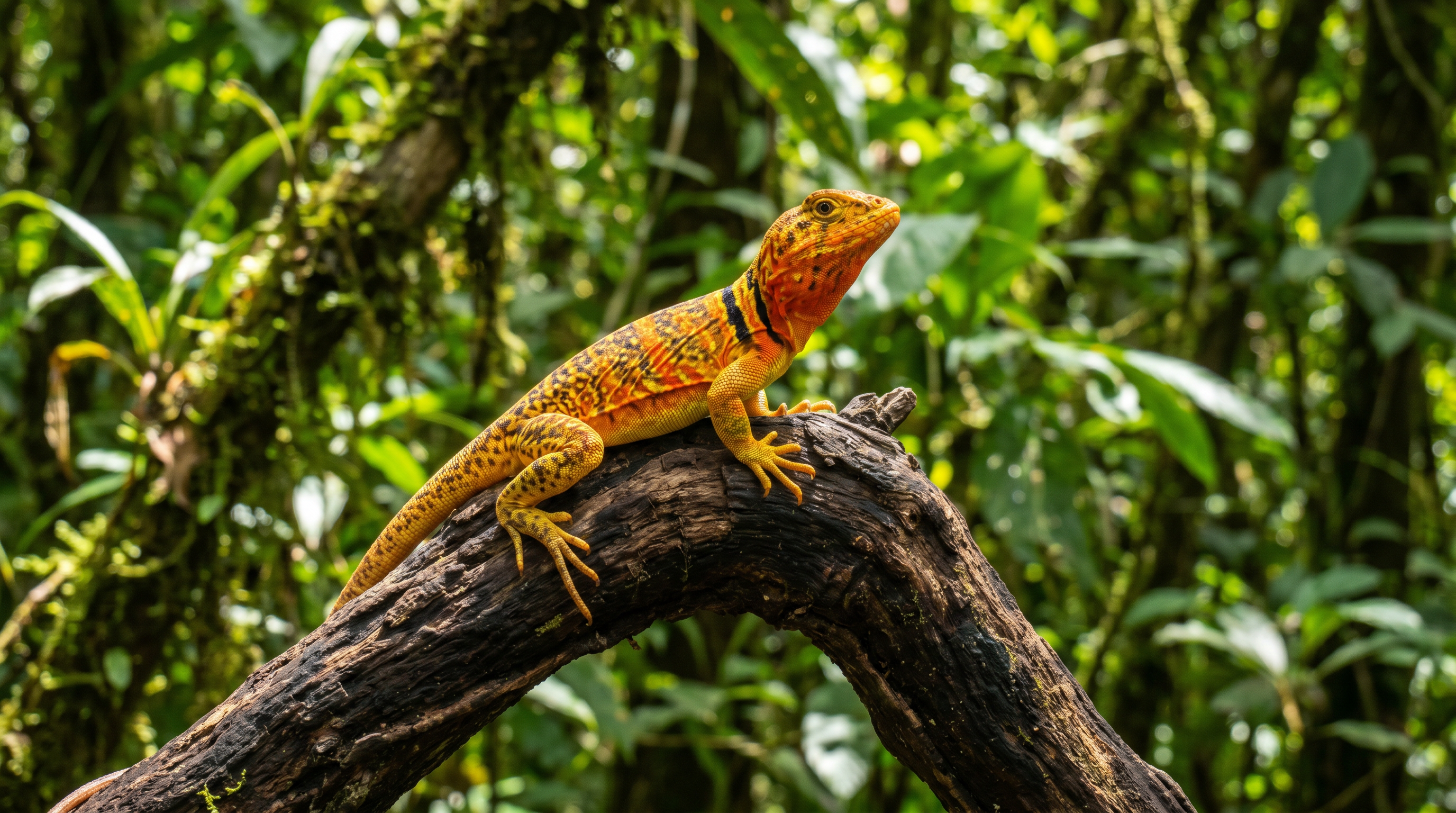
Look closely at a chameleon in nature. If you see one turn a very bright, bold color, do you think it is trying to disappear, or is it trying to be noticed?
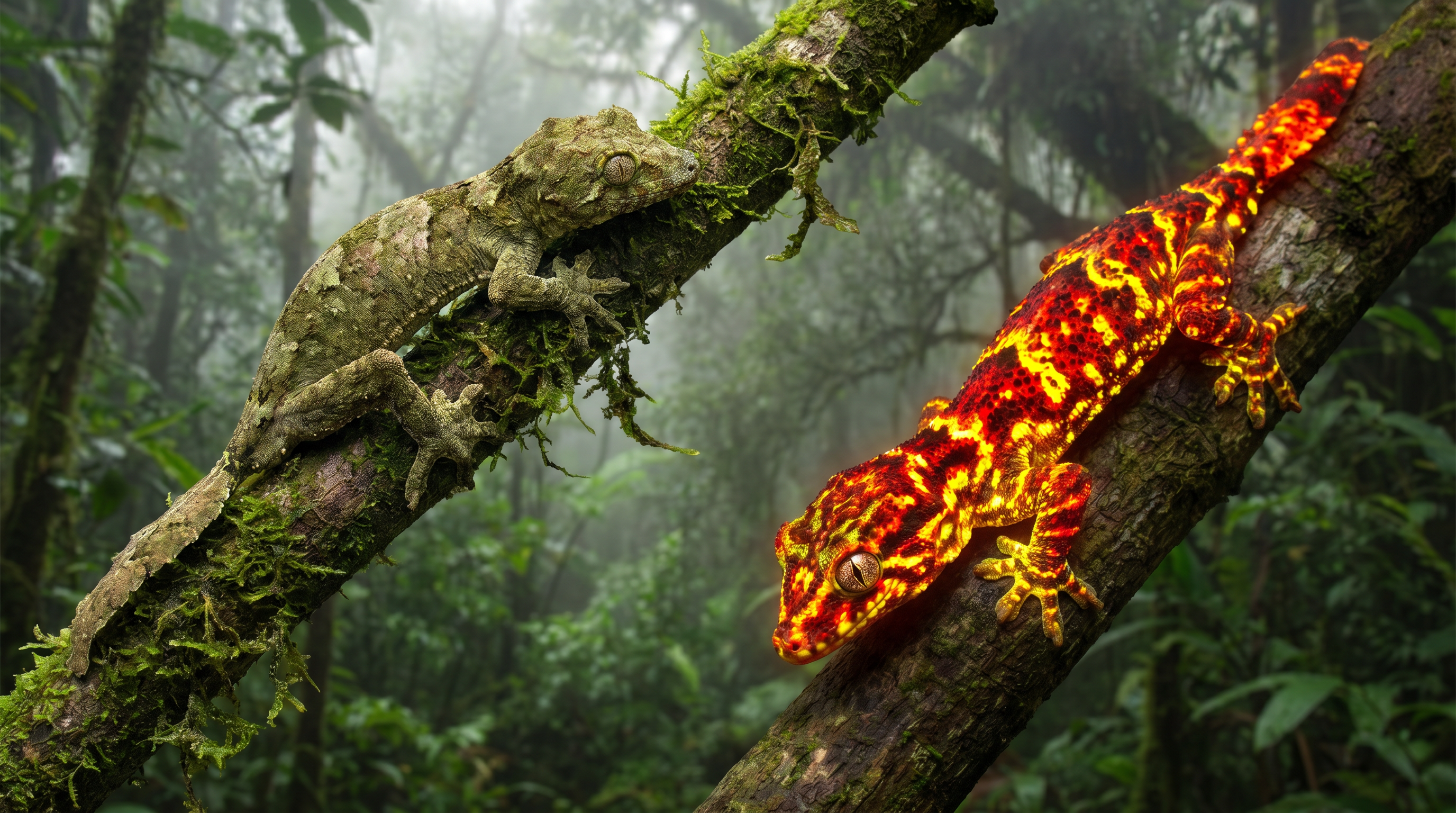
Chameleons use these colors to talk to others! A bright, bold display can tell another lizard to stay away or show that they are ready to find a friend.
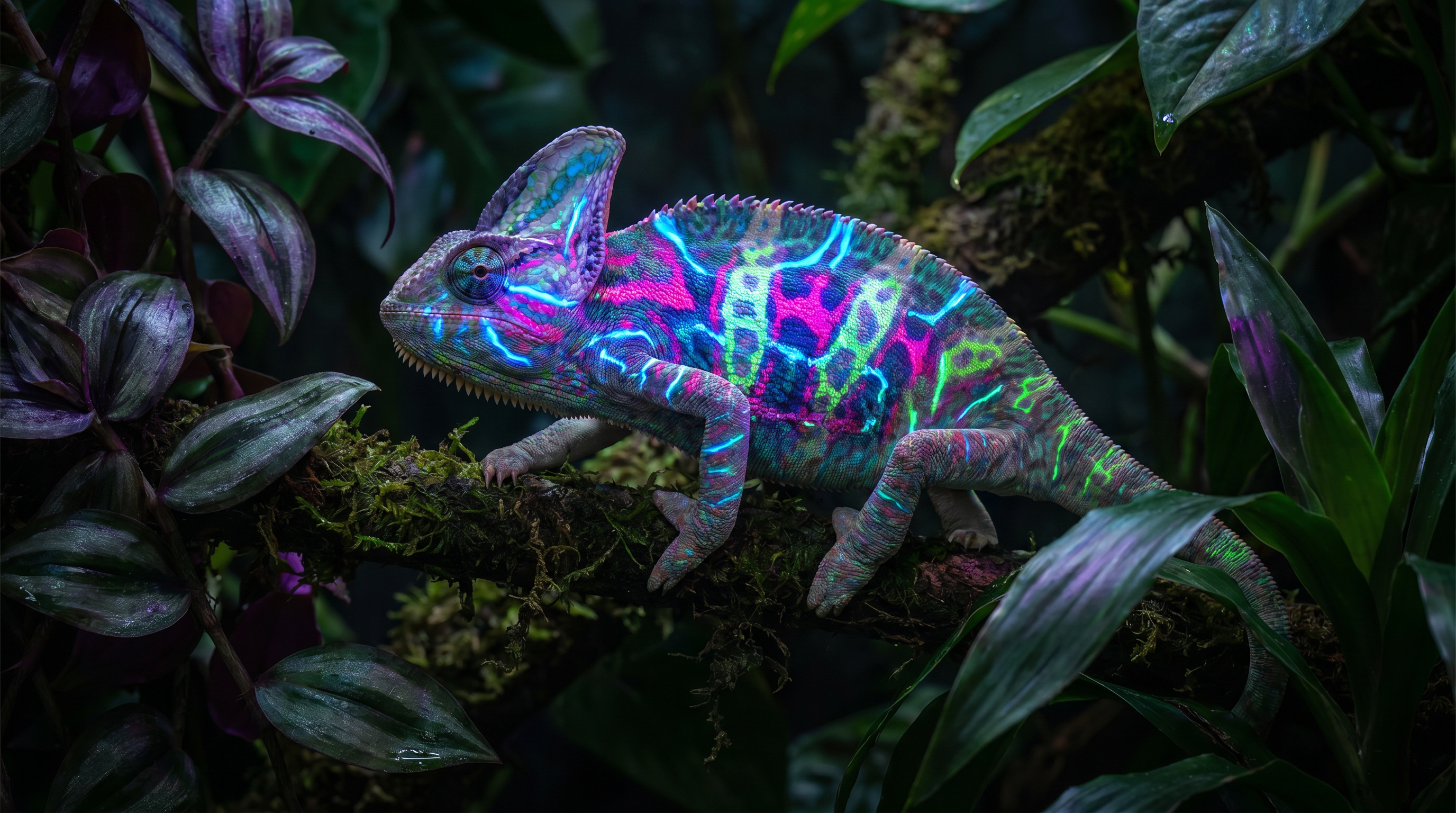
Many people think chameleons change color to hide from predators, but that is a myth! They use these brilliant flashes to send secret messages to others of their kind.
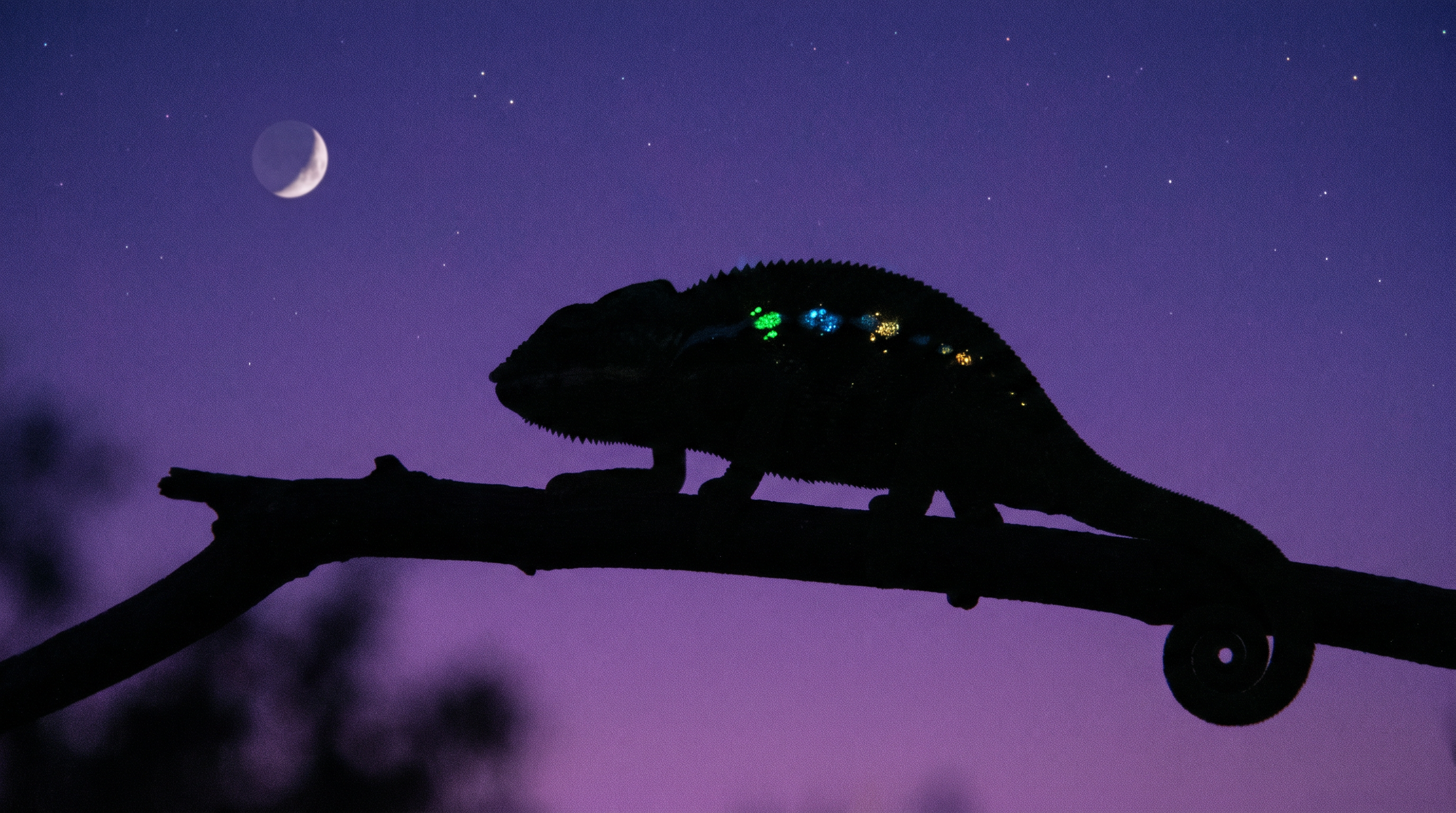
You have learned that skin crystals create a secret color code for communication. But if they use light to talk, how do they keep their messages secret in the dark?
Describe any idea in a sentence and Remee builds it for you — stories, games and quizzes on whatever you or your class are working on. Free to start, no card needed, and everything you make gets a link you can share anywhere.
Remee turns any idea into an illustrated story, a playable game, or an interactive quiz — at home or in the classroom.