 Lesson
This lesson explores the essential role of inorganic chemistry by examining mineral structures, chemical reactions, and the vital processes that sustain Earth.
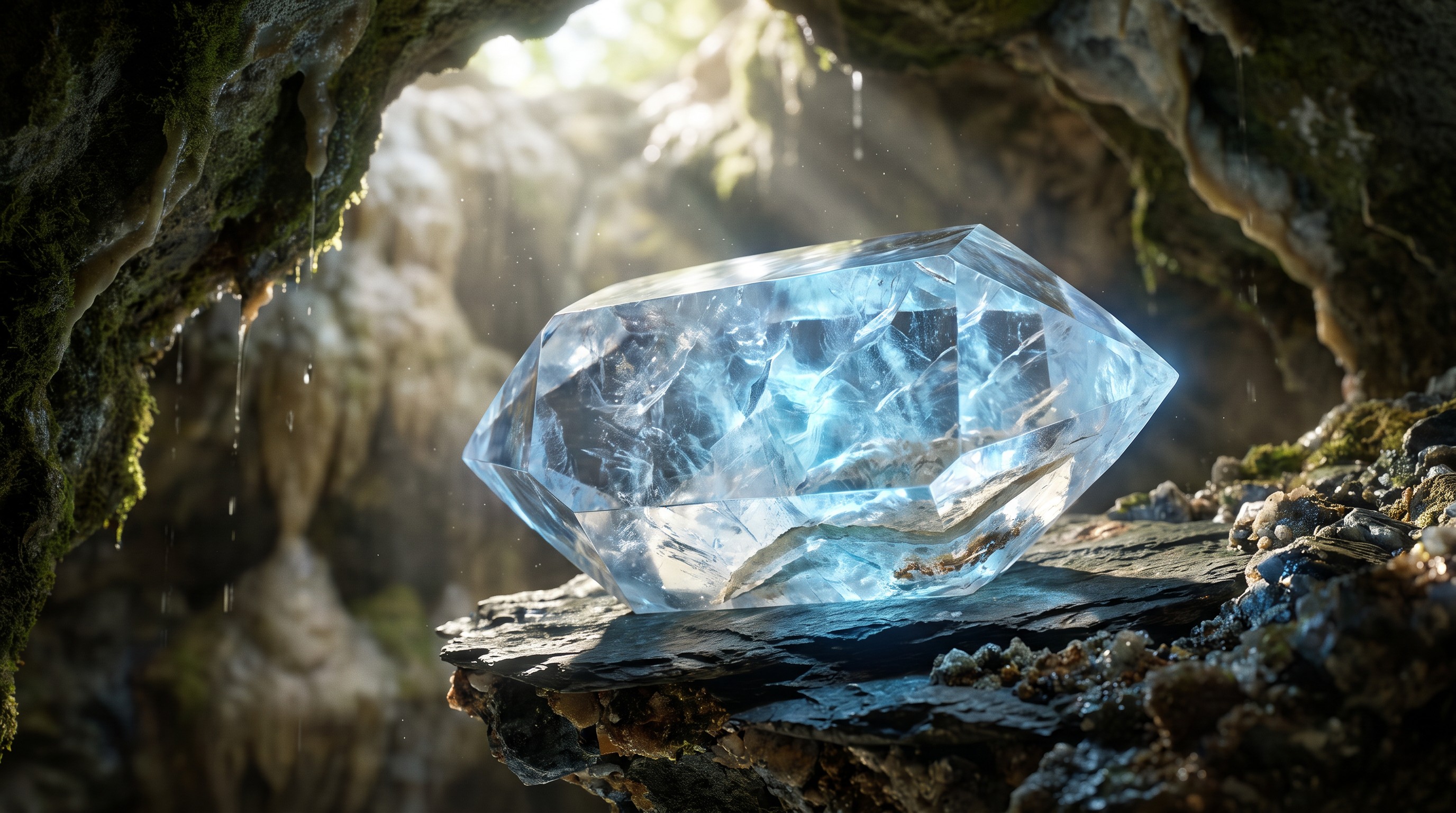
Inorganic chemistry isn't just dry rocks; it is the study of everything not based on carbon chains. It builds our planet's crust, regulates our oceans, and powers our modern technology.
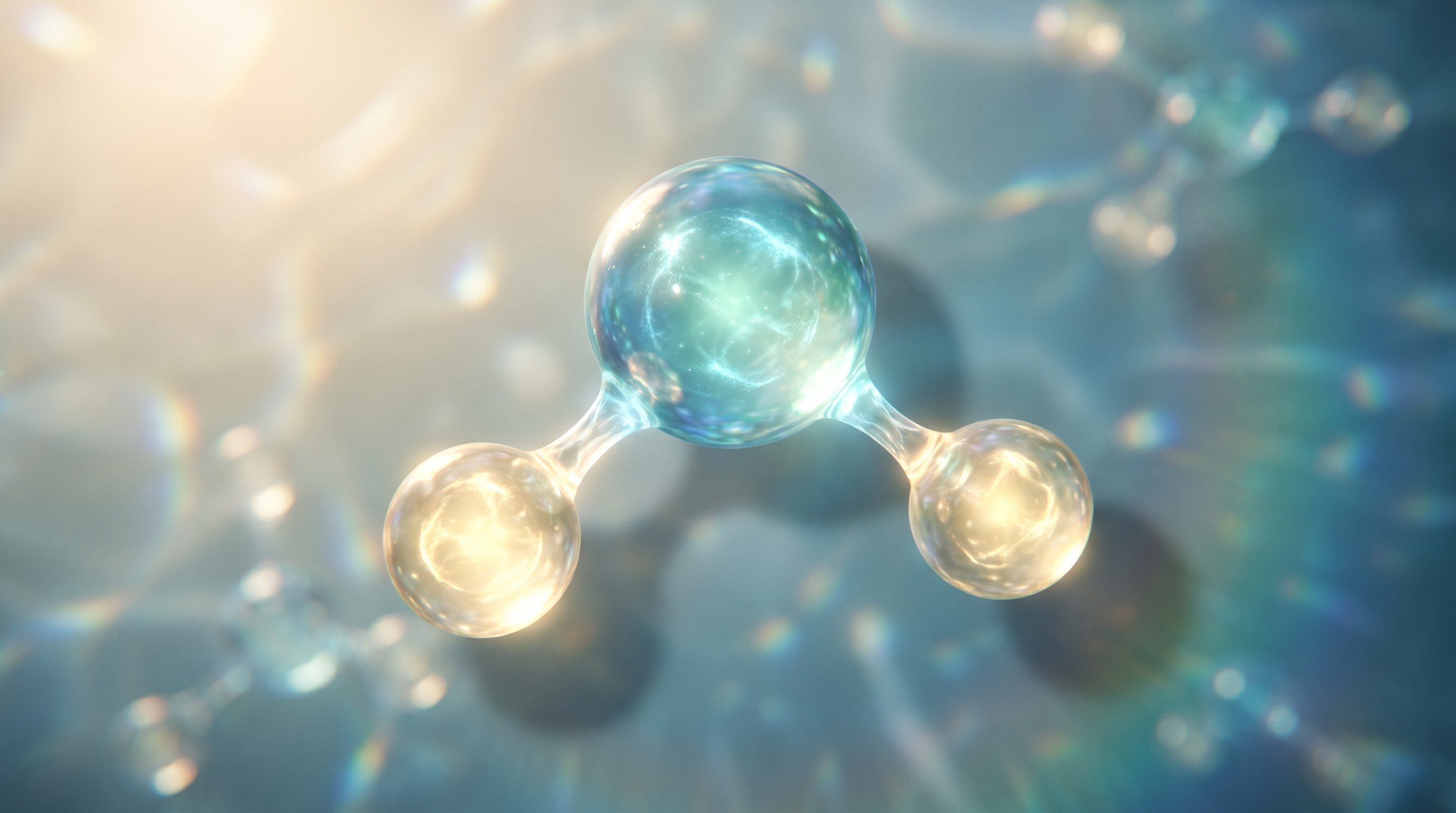
The most important inorganic molecule on Earth is water. Its simple structure of two hydrogen atoms bonded to one oxygen atom creates a polar molecule that sustains all known life.
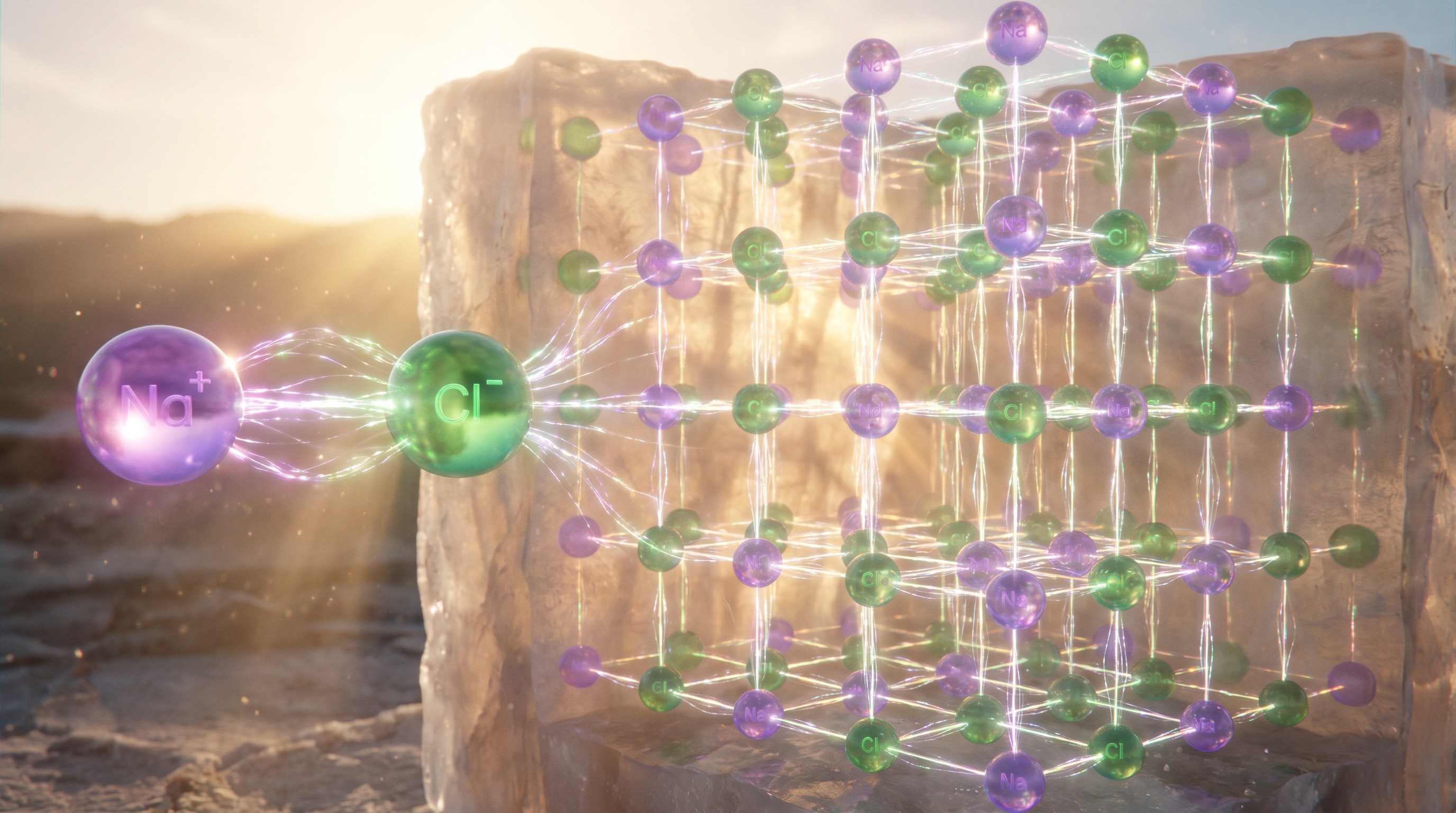
Ionic bonding is the secret glue of the inorganic world. When an electron transfers from one atom to another, they become oppositely charged ions that pull together in a rigid lattice.
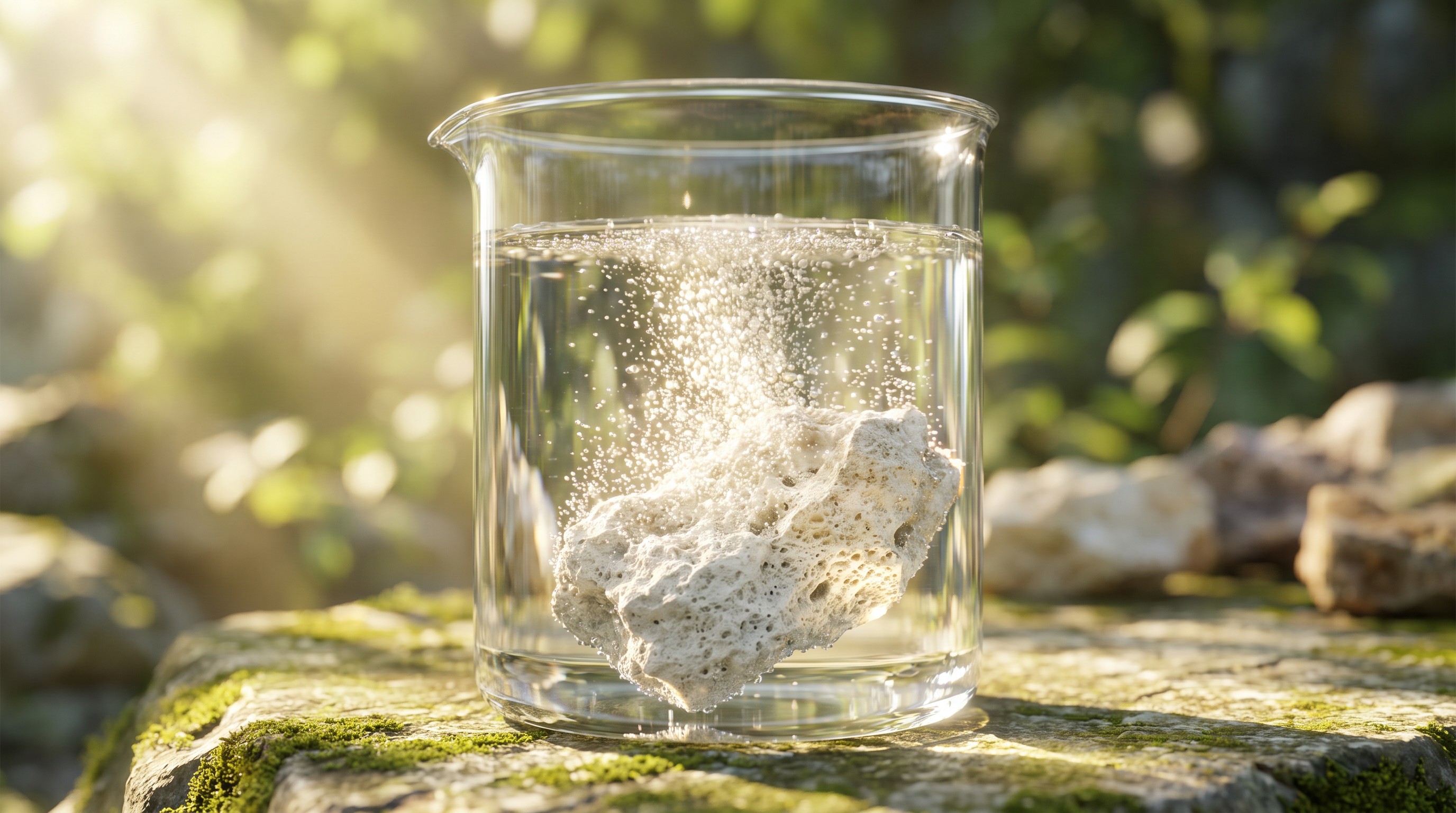
If you drop a piece of limestone into vinegar, it fizzes. Why does this chemical reaction create bubbles? Can you identify the gas being released during this rapid breakdown process?
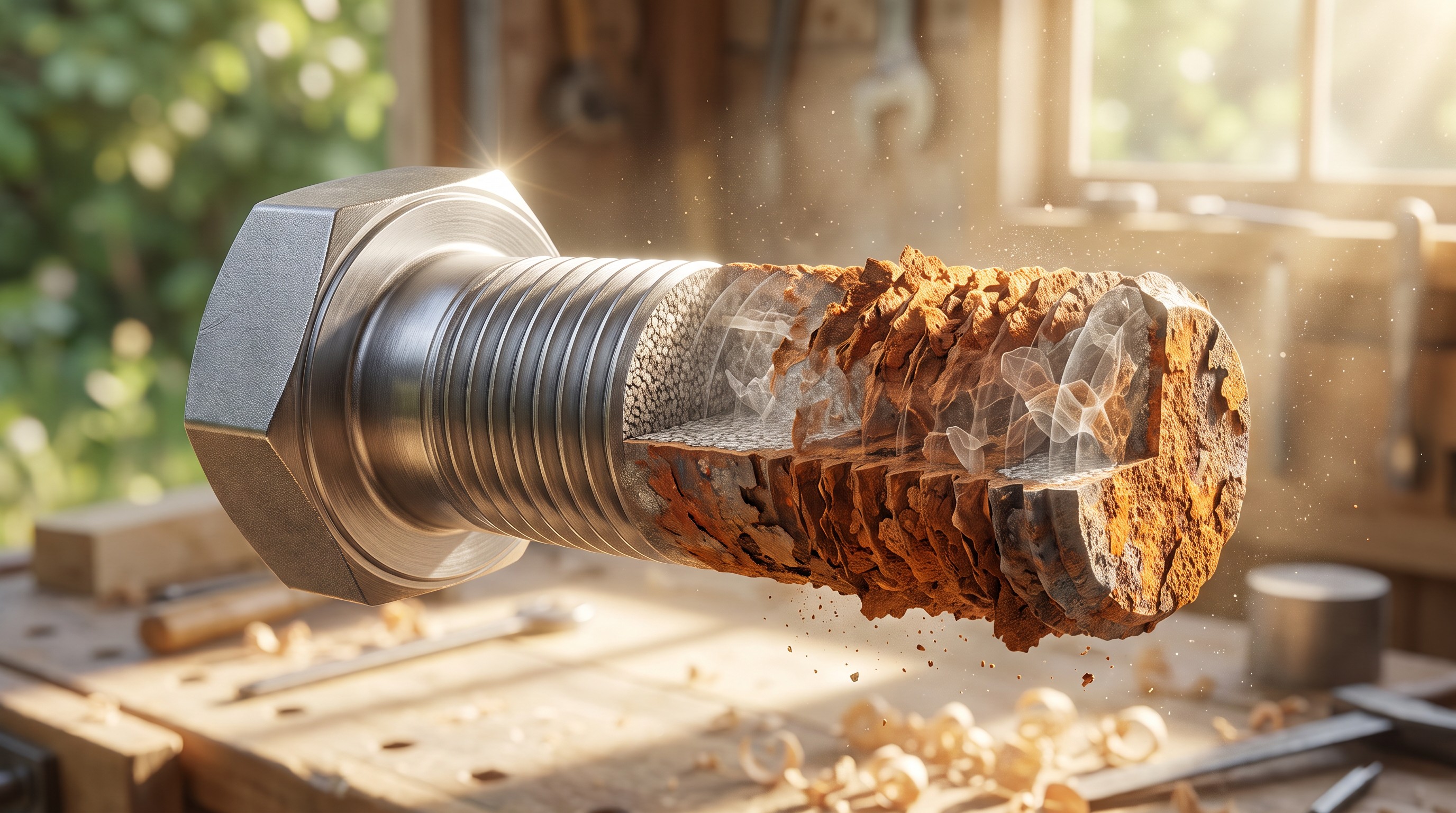
Rusting is a common inorganic reaction called oxidation. When iron meets oxygen and moisture, it transforms into iron oxide, a reddish-brown crust that eats away at the metal's strength.
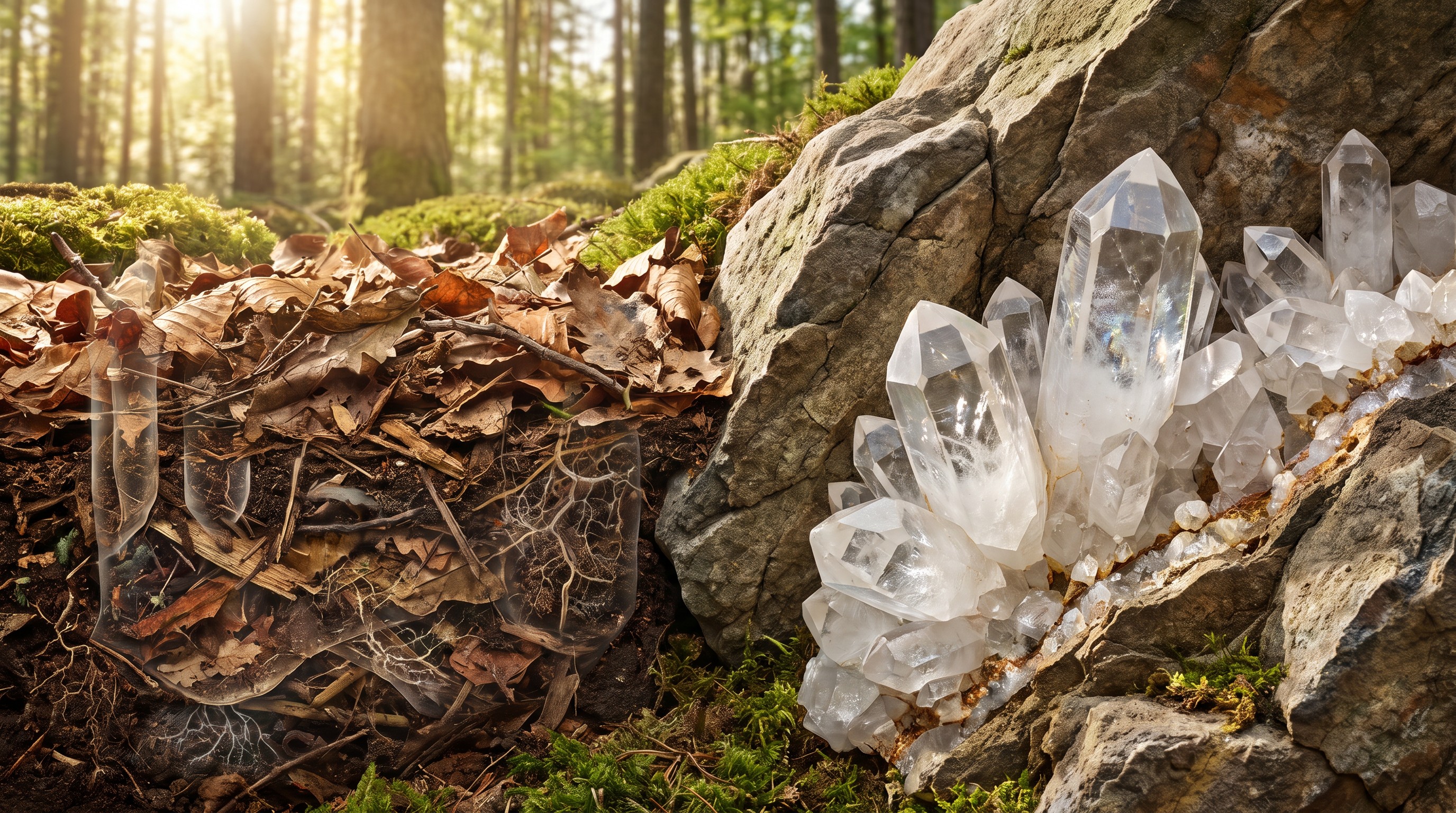
Some think inorganic chemistry is static, but it is deeply dynamic. Unlike organic life that ages and dies, inorganic compounds often reform through crystallization, growing into new, perfect geometric shapes.
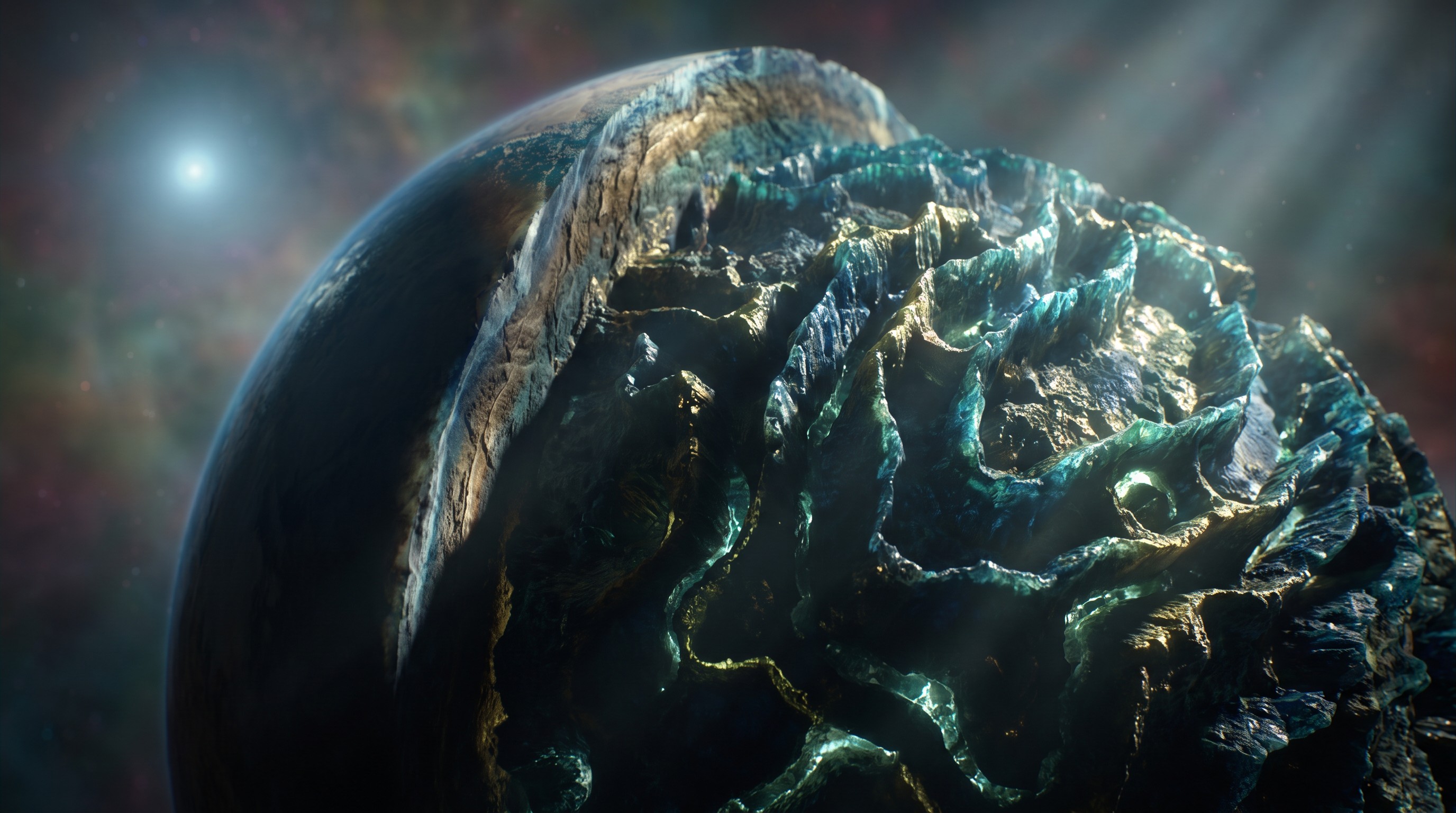
We’ve seen how ions bond and reactions transform matter. But if inorganic chemistry builds the very foundation of our world, what happens when we manipulate these reactions at a nano-scale? That is the next mystery.
Describe any idea in a sentence and Remee builds it for you — stories, games and quizzes on whatever you or your class are working on. Free to start, no card needed, and everything you make gets a link you can share anywhere.
Remee turns any idea into an illustrated story, a playable game, or an interactive quiz — at home or in the classroom.