 Lesson
This lesson explores the microscopic structures on gecko toes that enable them to cling to surfaces using van der Waals forces, dispelling myths about suction or glue.
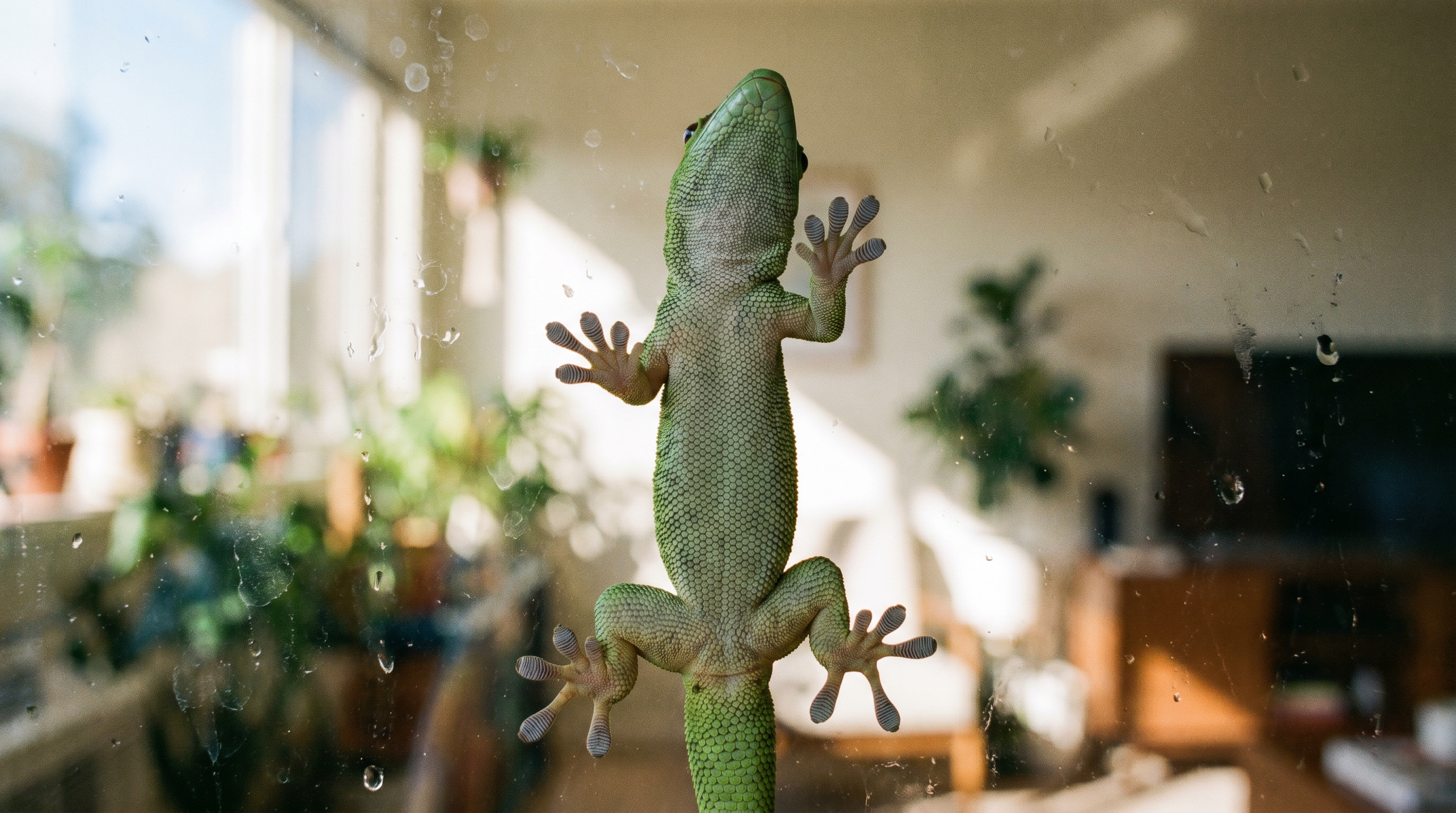
Have you ever watched a gecko sprint across a smooth glass ceiling without falling? It seems like magic, but there is actually a fascinating scientific secret hidden on their tiny toes.
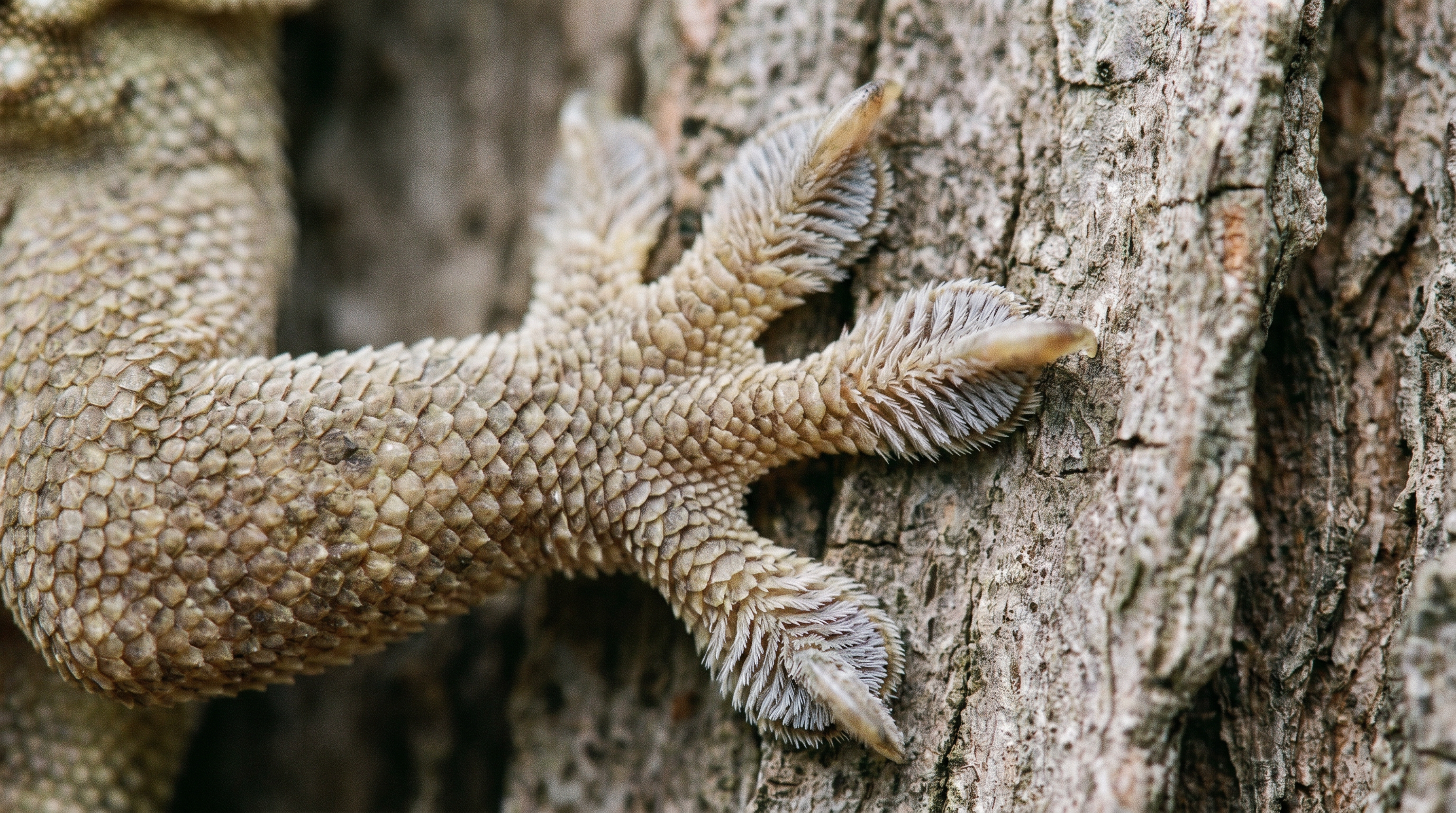
Look closer at a gecko's toe. It is covered in millions of microscopic, split-ended hairs called setae. These tiny structures act like a specialized brush that touches the surface everywhere.
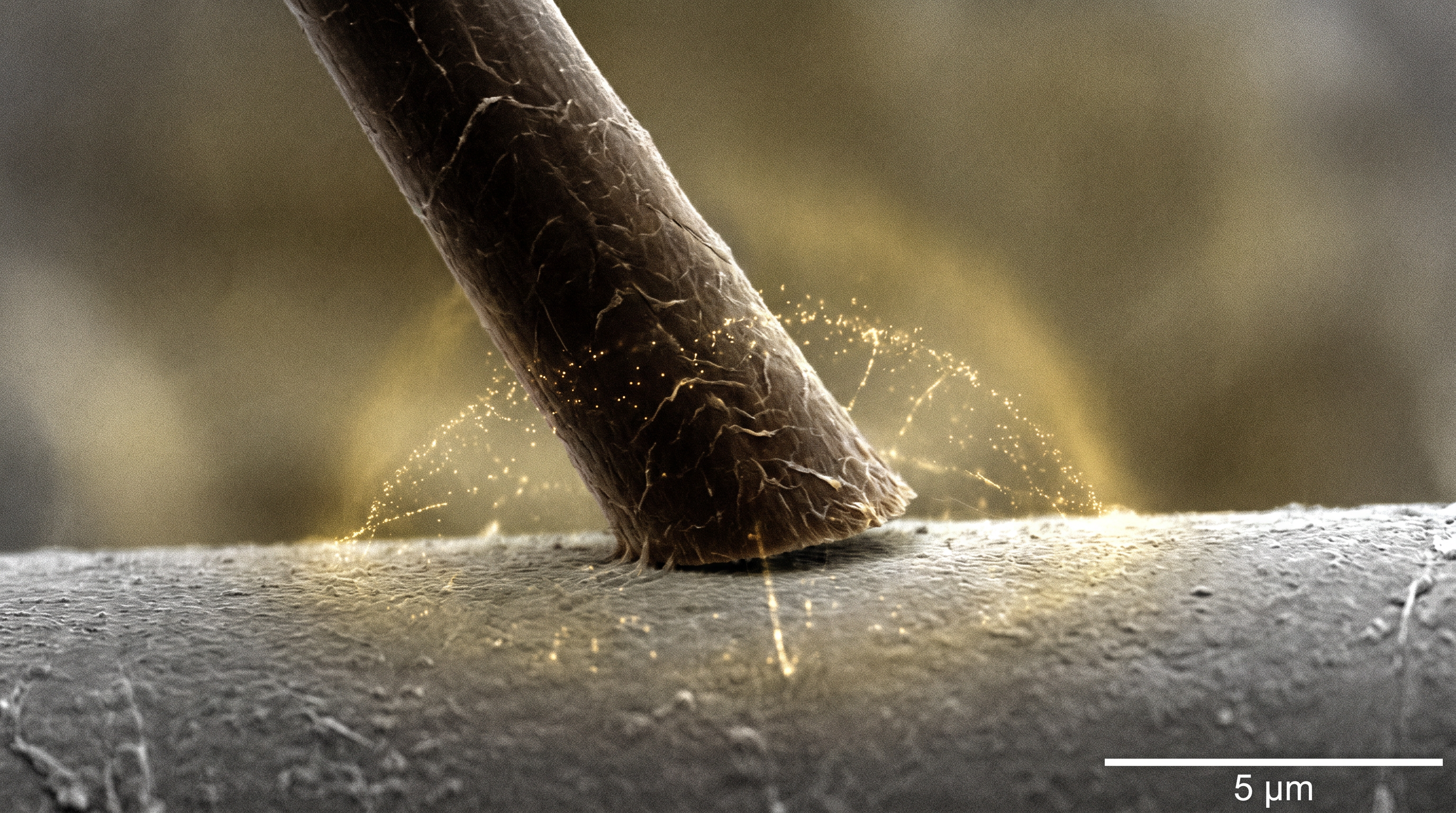
When these millions of hairs touch a surface, they get so close that the electrons in the gecko's hair molecules interact with the surface molecules, creating a gentle pull.
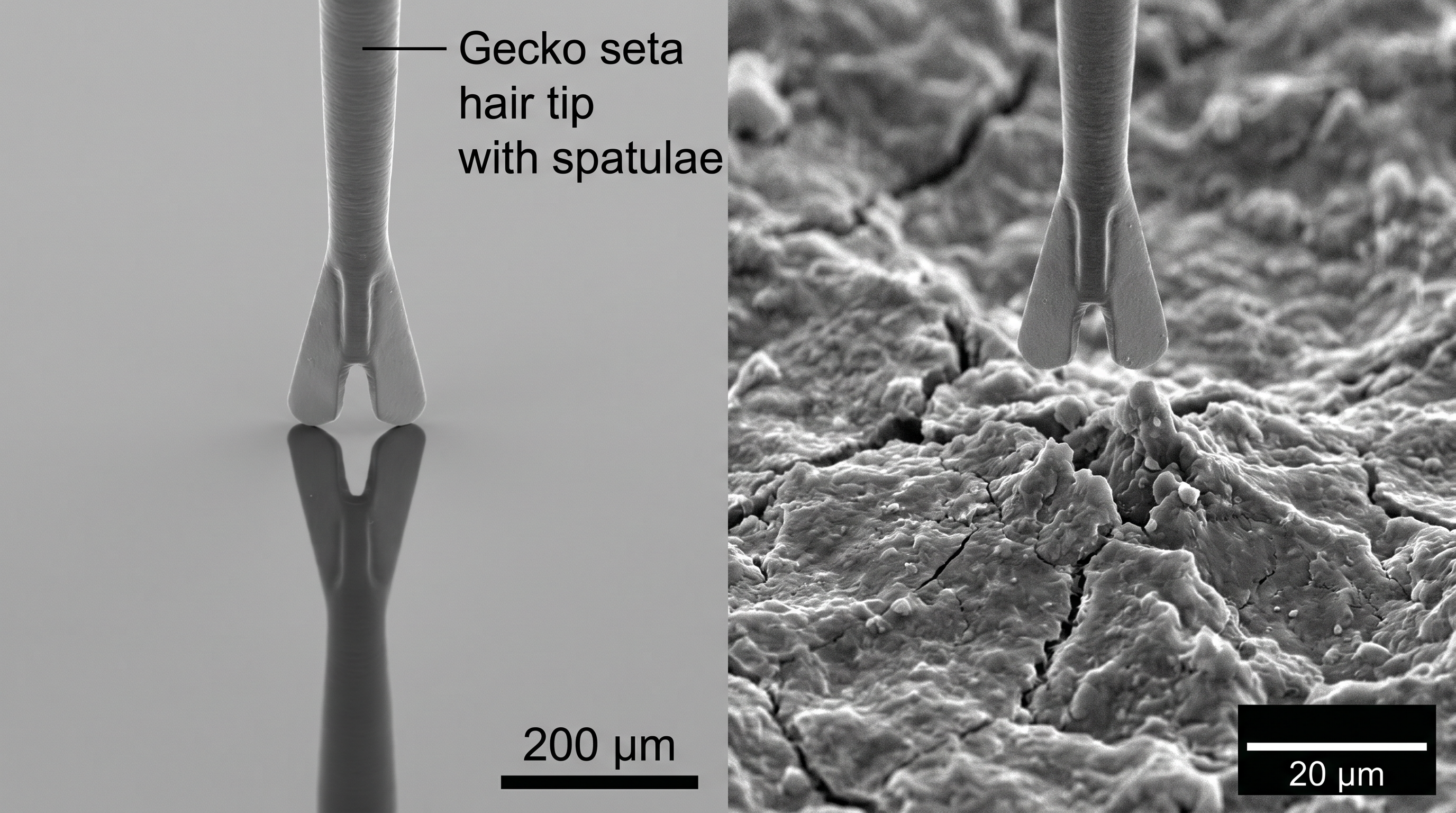
This is the van der Waals force. If you had a surface with tiny bumps, do you think the gecko could stick better or worse? Consider how surface area changes the total contact.
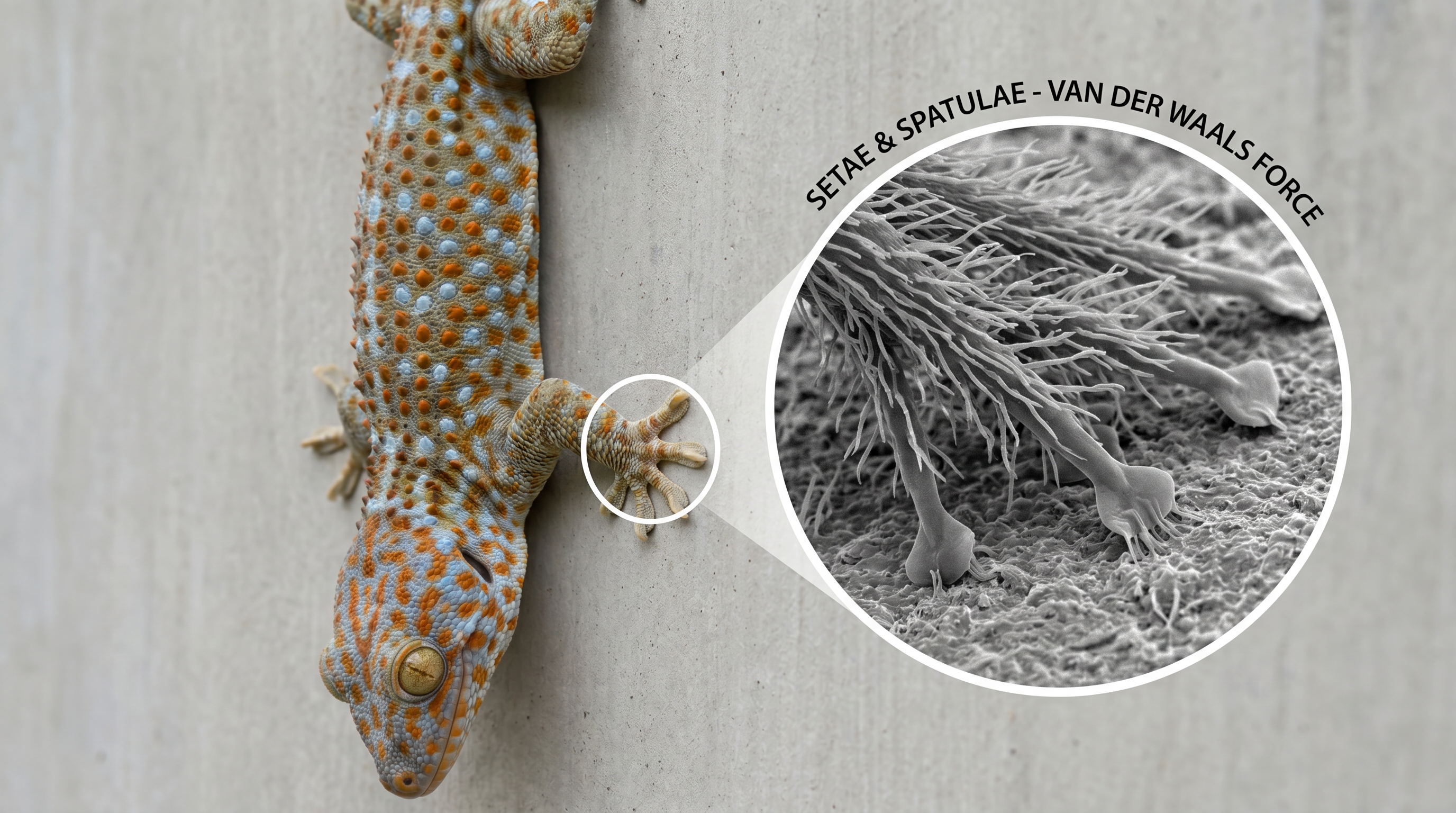
Because the gecko has millions of these hairs, even a tiny attraction per hair adds up to a massive amount of grip. This allows geckos to hold their weight on glass.
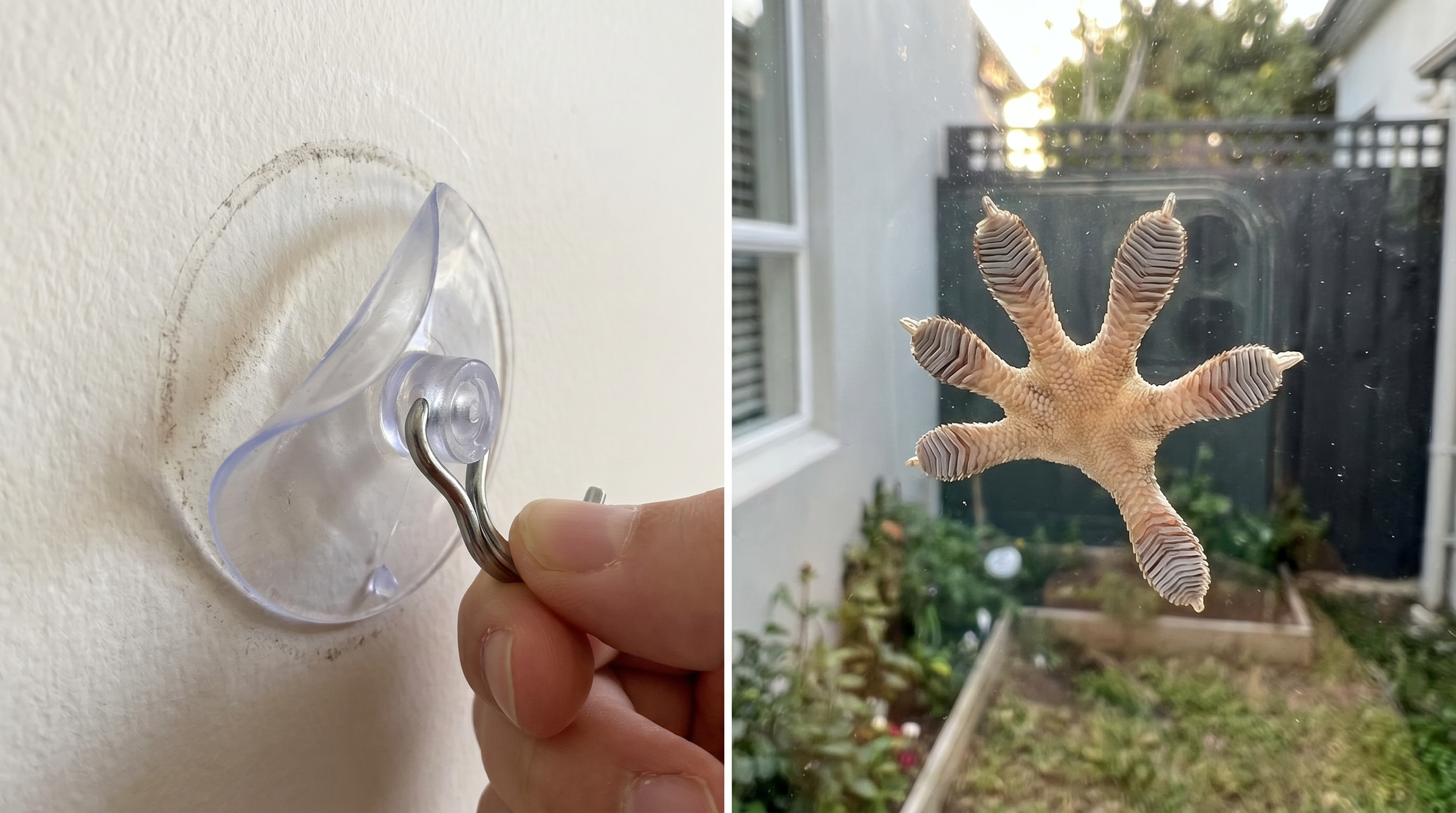
Many people think geckos use suction or sticky glue to climb, but that is a myth. Suction requires air pressure and glue would leave a messy residue behind on surfaces.
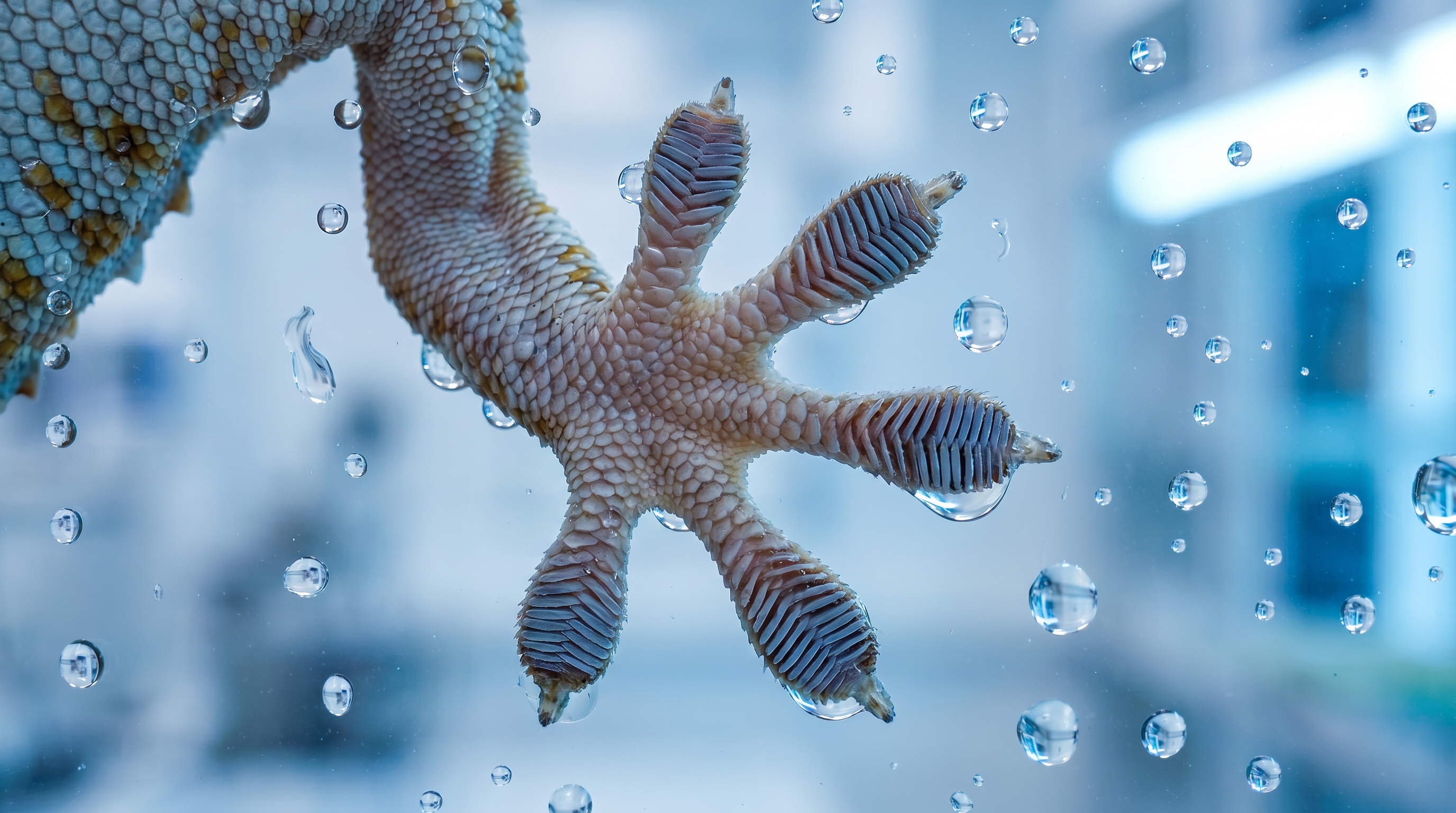
Geckos rely on the physics of molecular attraction. We have learned the basics, but what happens if the surface is wet? Could these forces still work underwater, or is there another mystery?
Describe any idea in a sentence and Remee builds it for you — stories, games and quizzes on whatever you or your class are working on. Free to start, no card needed, and everything you make gets a link you can share anywhere.
Remee turns any idea into an illustrated story, a playable game, or an interactive quiz — at home or in the classroom.