 Lesson
This lesson explores the structure of the blood-brain barrier, how it filters molecules, and the ongoing scientific mysteries surrounding this vital protective system.
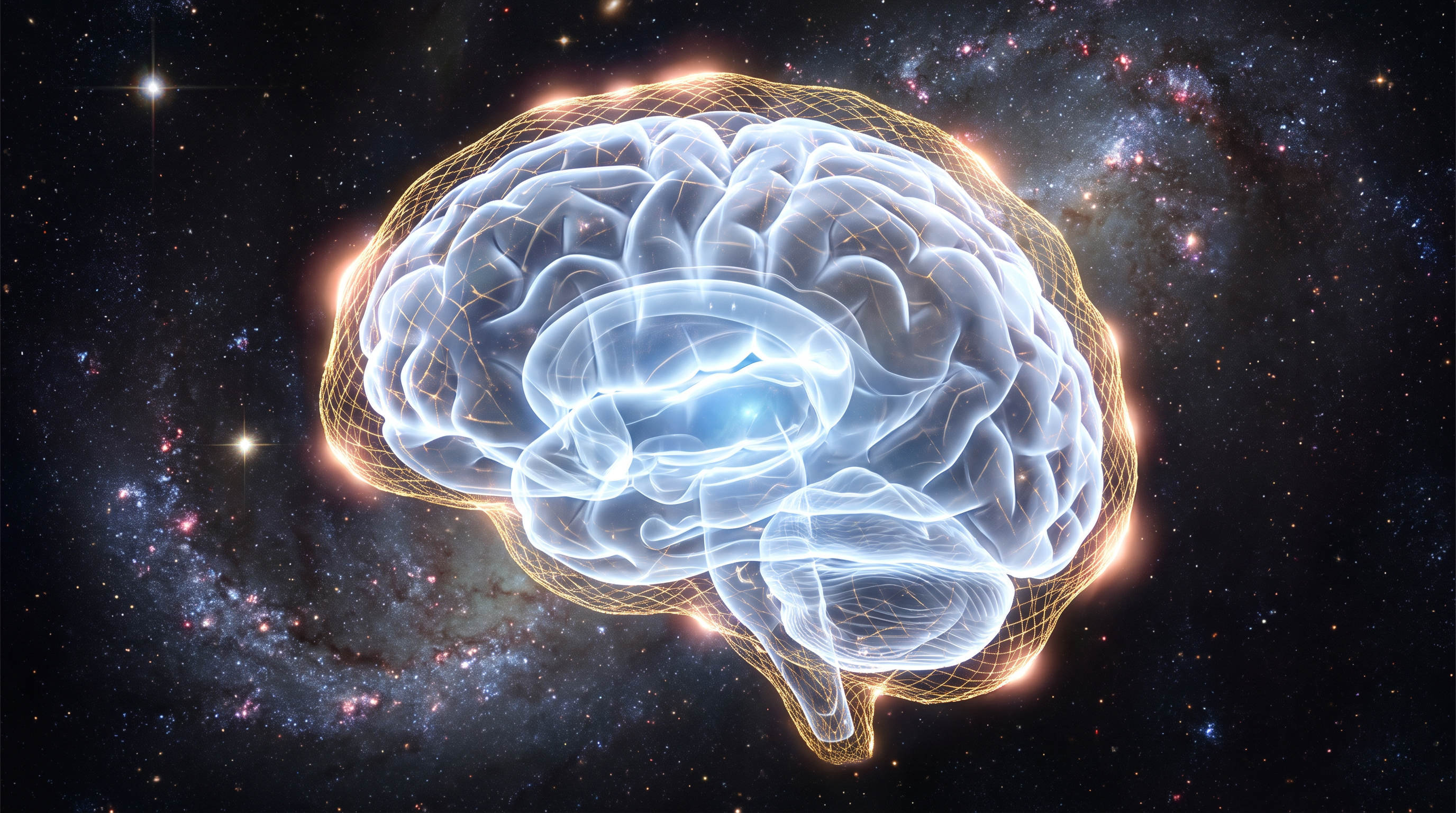
Did you know your brain is so precious that it has its own private security system? It is called the blood-brain barrier, and it guards your brain from potential harm every second.
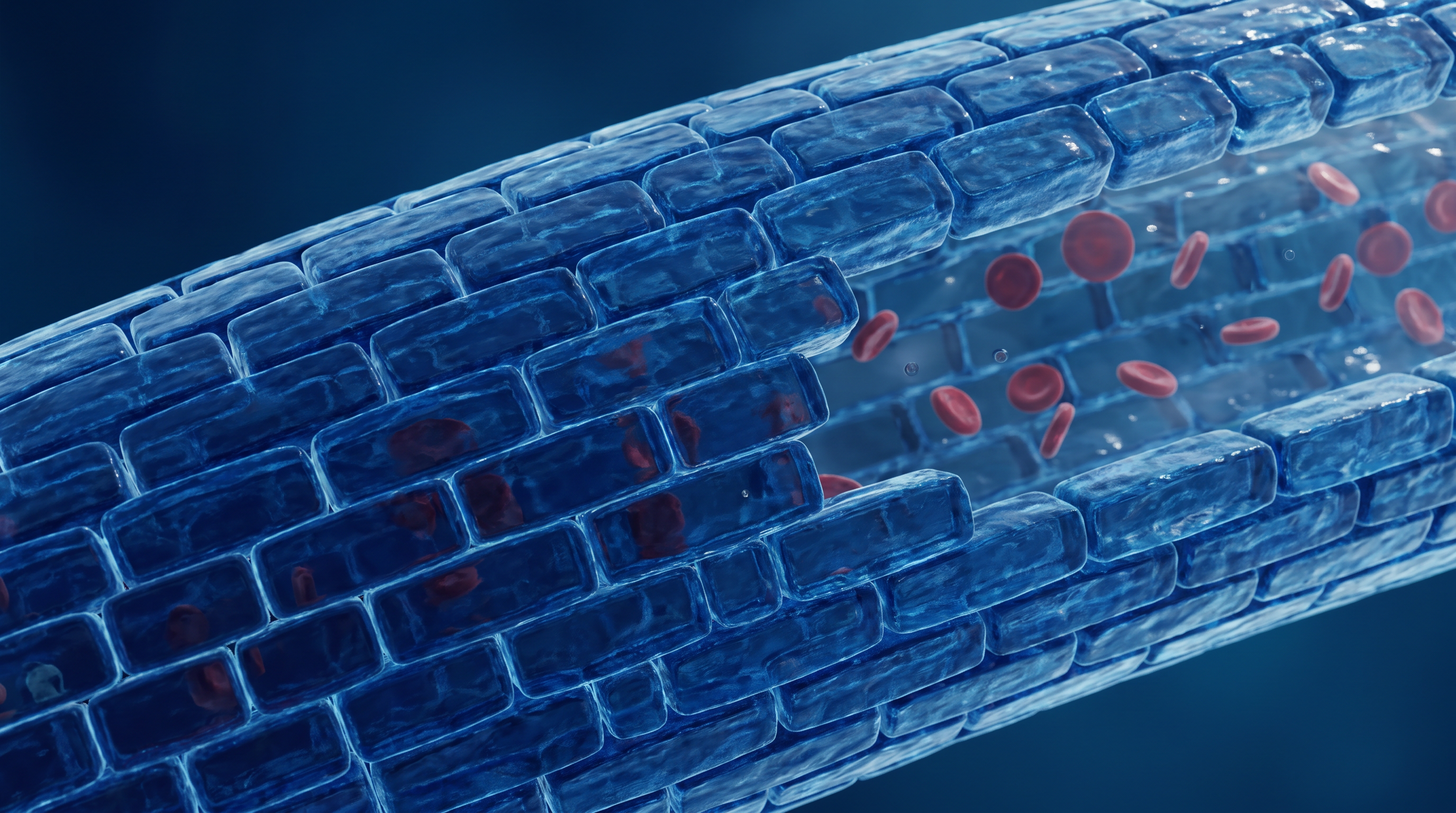
Blood vessels throughout your body are usually porous, like a sponge. But in the brain, the cells lining these vessels are packed so tightly together that almost nothing gets through.
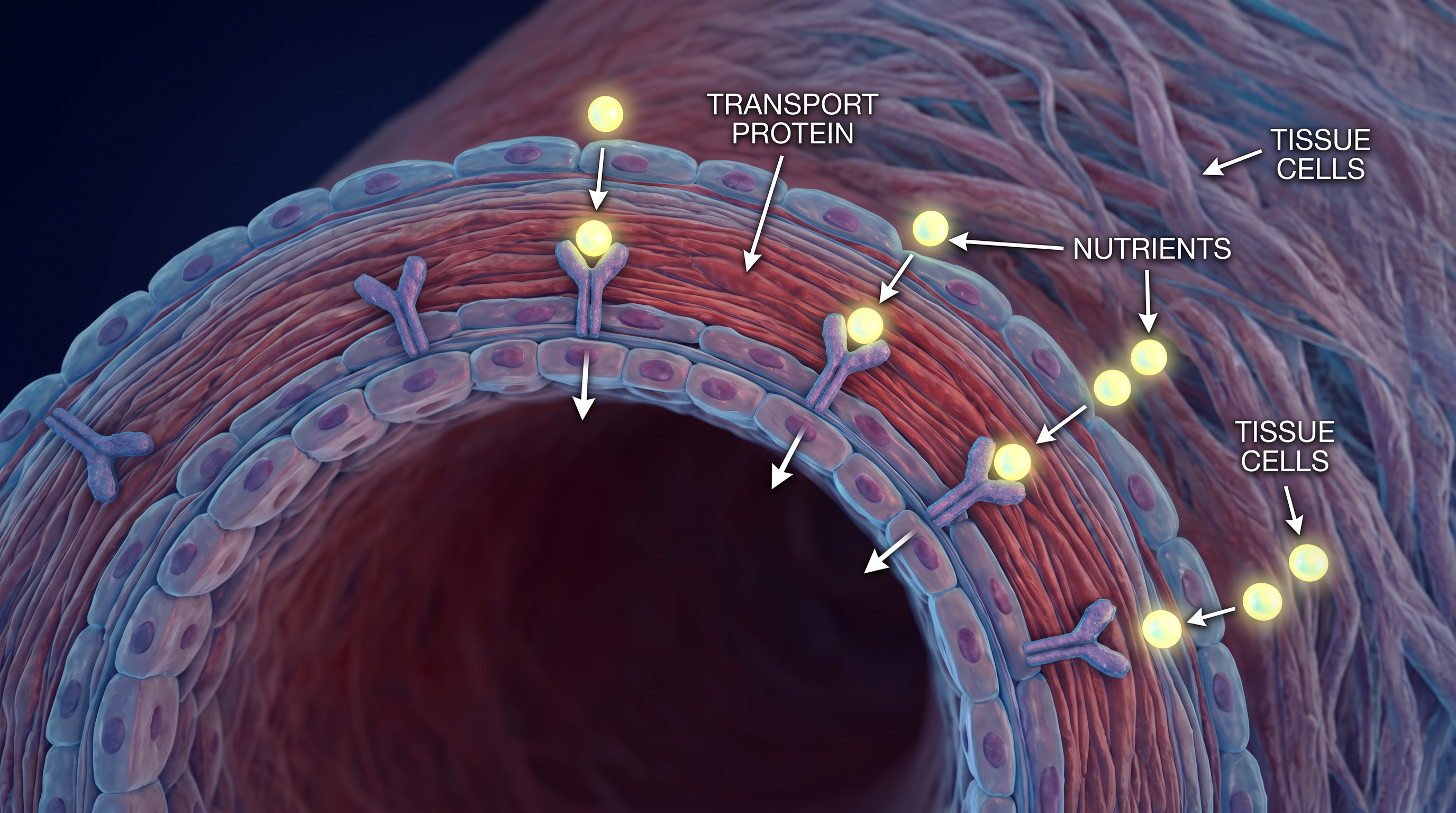
To get inside, molecules must be invited. Essential fuel like glucose uses special transport proteins to cross the barrier, while large or dangerous particles are strictly blocked from entering.
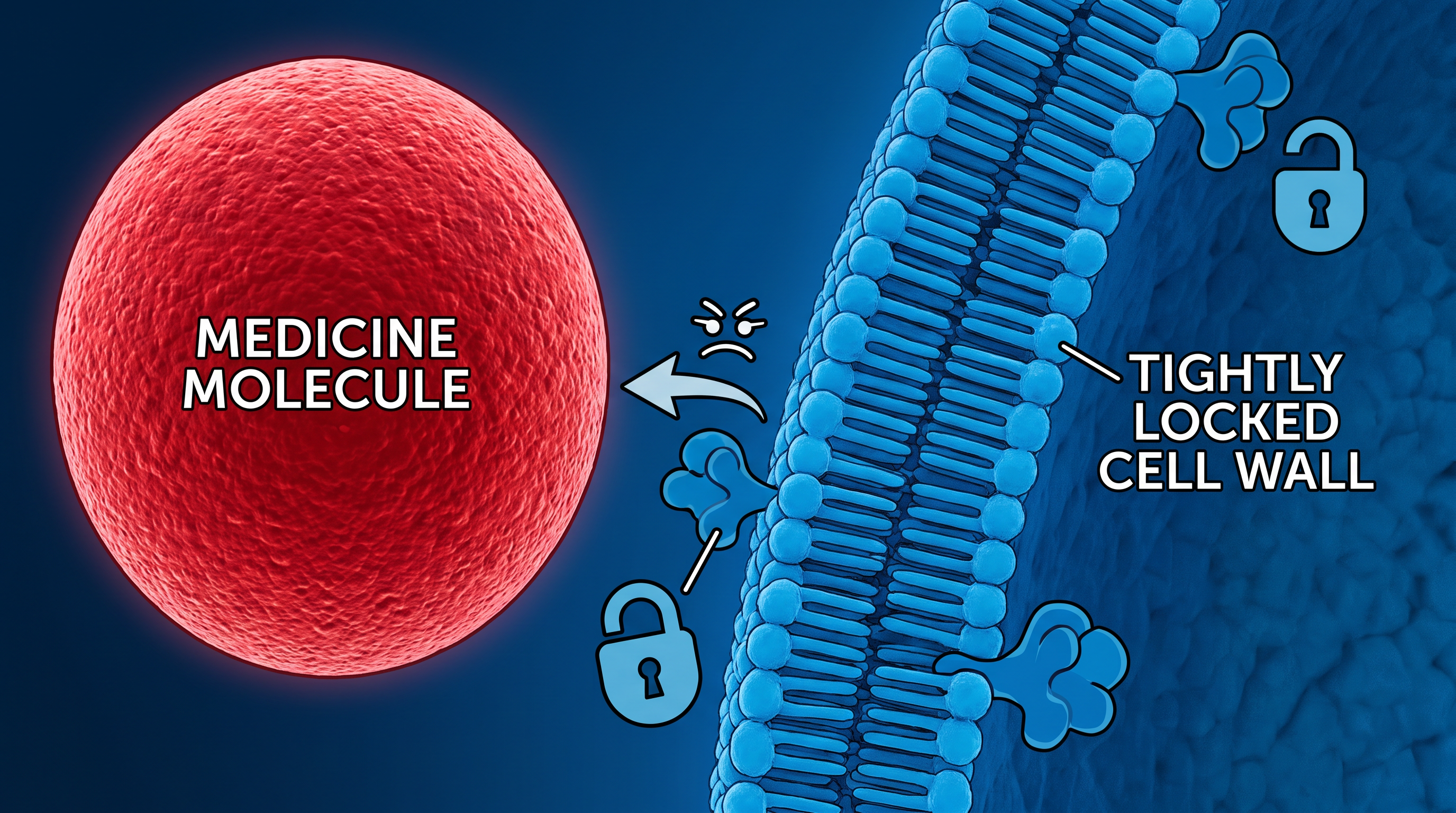
Think about this: if the brain needs medicine to heal, how does that medicine pass through such a strict barrier? Why do you think some drugs have trouble reaching the brain?
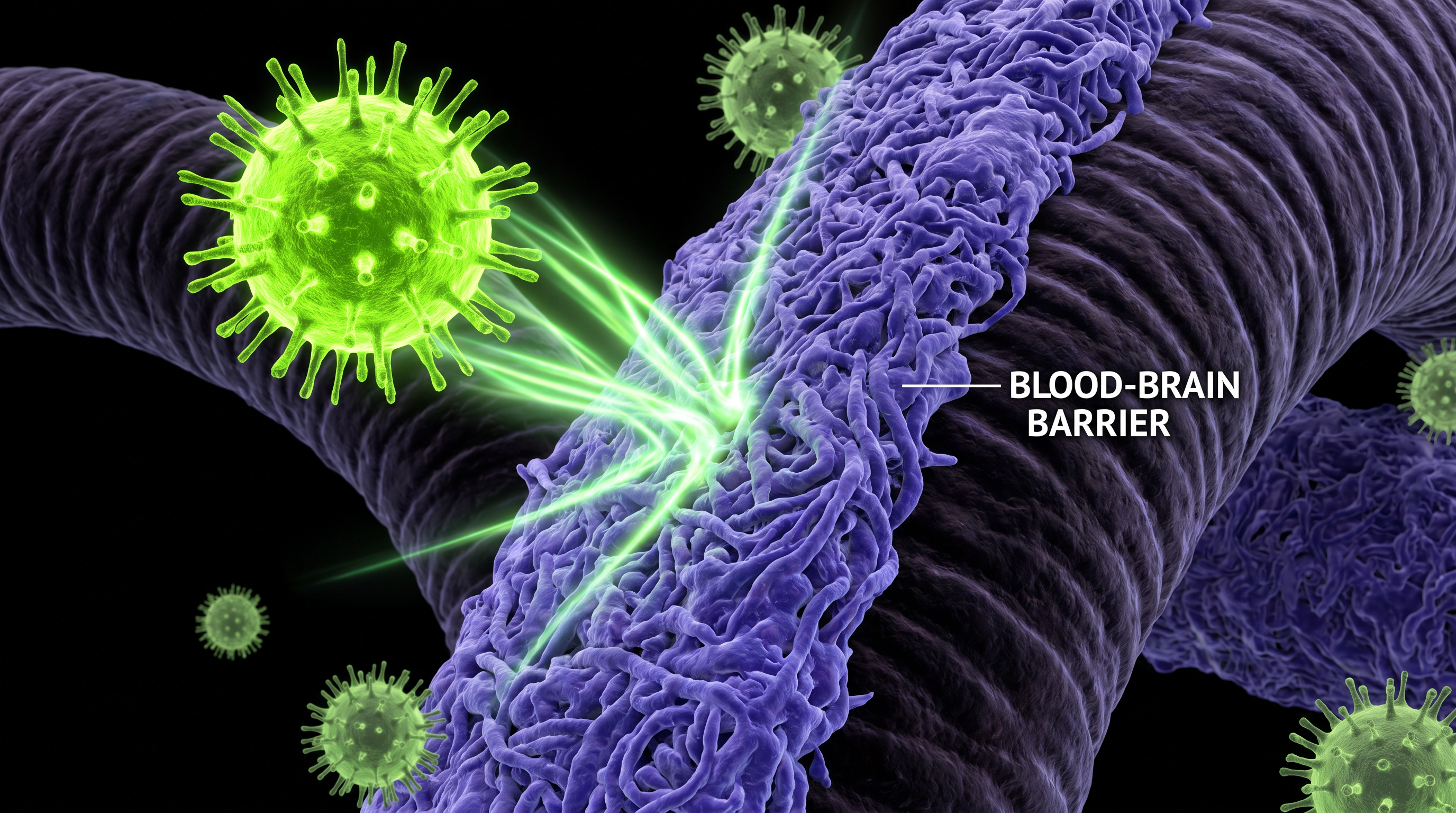
This barrier is why some infections or toxins that affect your body don't reach your brain. It is a vital defense that ensures your neural circuits stay protected and healthy.
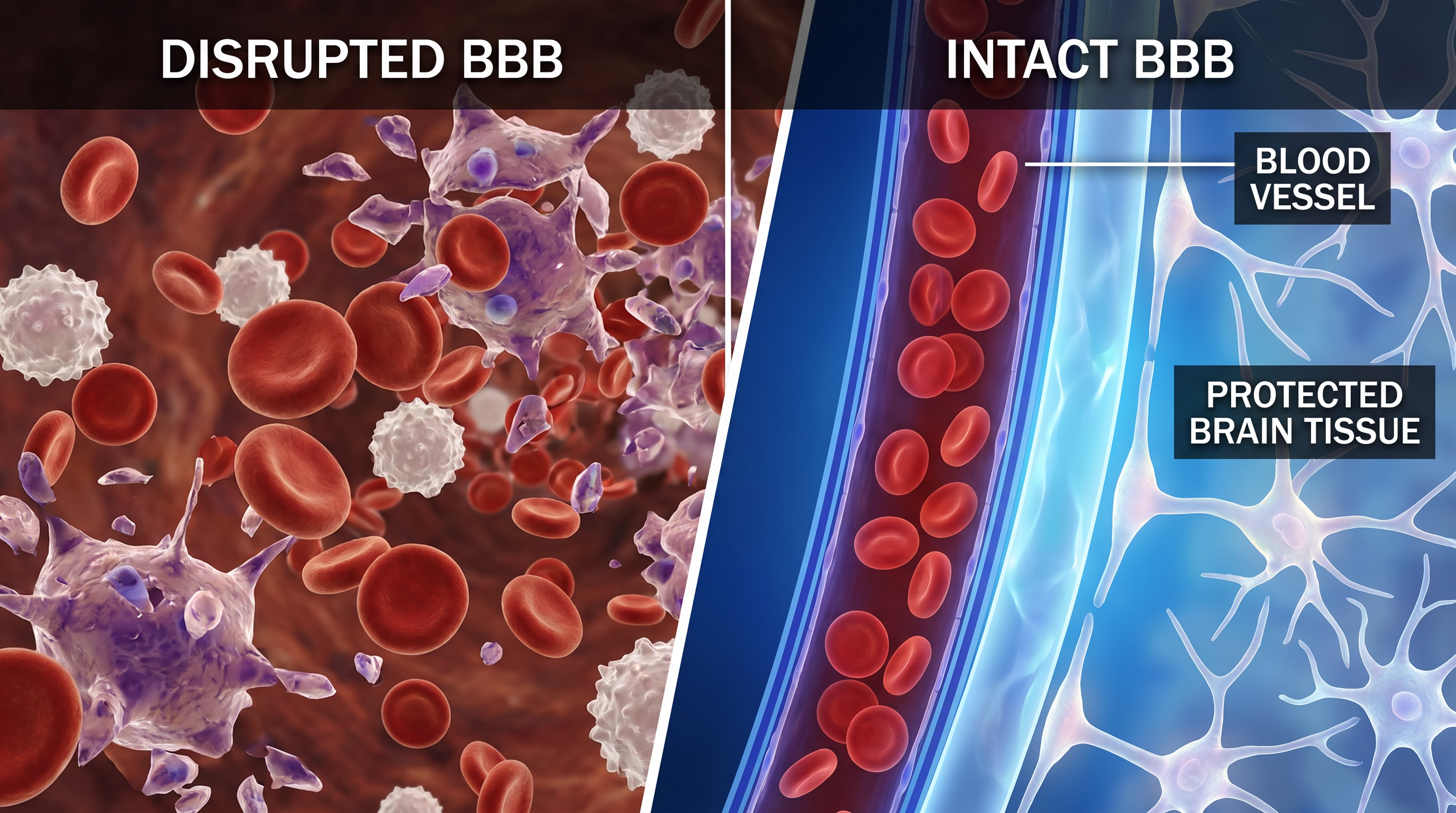
Many people think the brain is just floating in blood, but that is incorrect. The barrier keeps brain tissue completely separate from the circulating blood, maintaining a unique chemical environment.
You have learned how the barrier filters our blood to protect the brain. But here is the mystery: how does the barrier know when to loosen its guard? That is a scientific puzzle.
Describe any idea in a sentence and Remee builds it for you — stories, games and quizzes on whatever you or your class are working on. Free to start, no card needed, and everything you make gets a link you can share anywhere.
Remee turns any idea into an illustrated story, a playable game, or an interactive quiz — at home or in the classroom.