 Lesson
This lesson tracks the transformation of carbon into diamonds through intense heat and pressure, correcting common myths and highlighting geological reality.
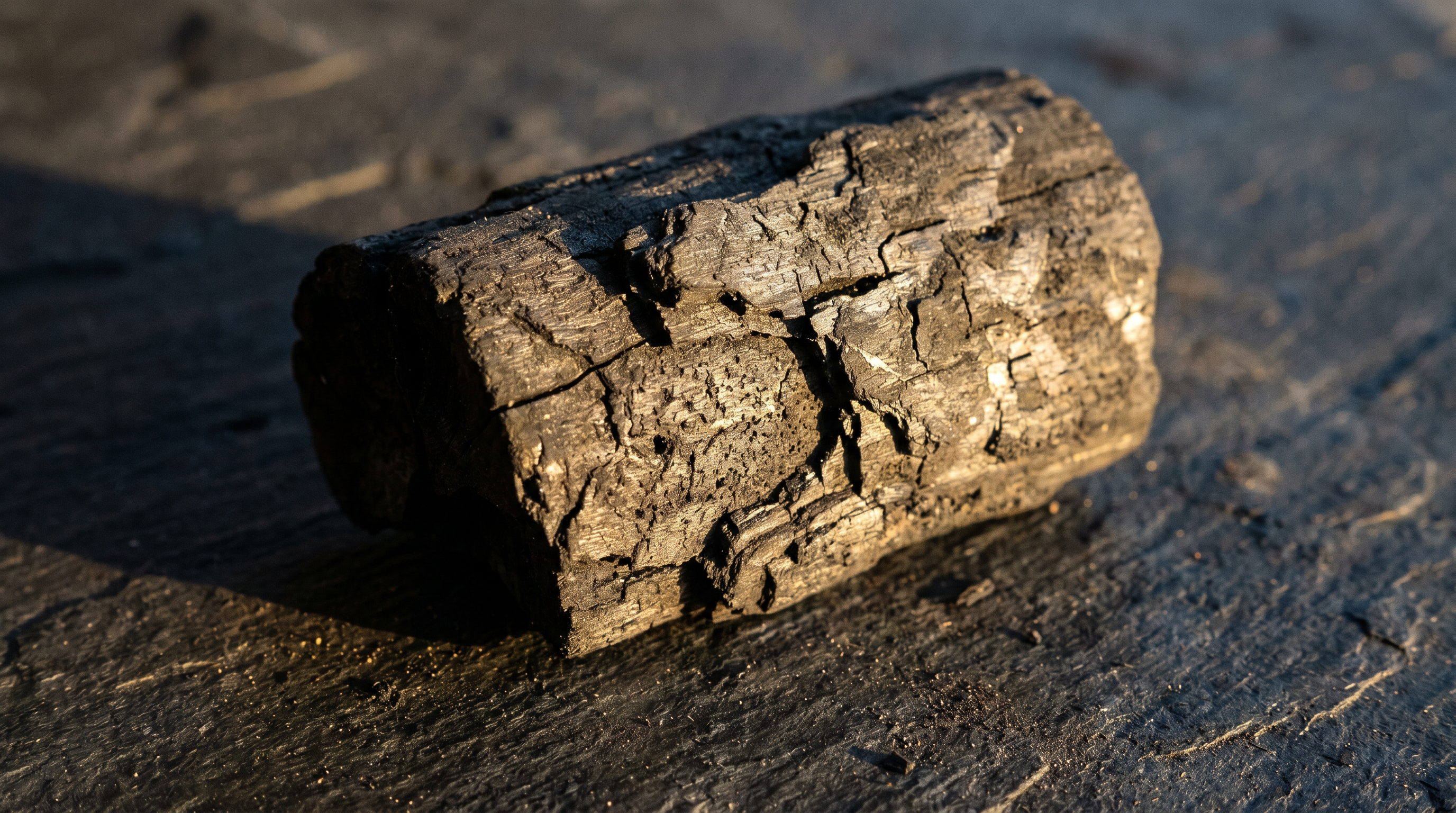
Have you ever wondered how a simple, soft piece of carbon turns into the hardest material on Earth? It starts deep beneath our feet, in a place we cannot reach.
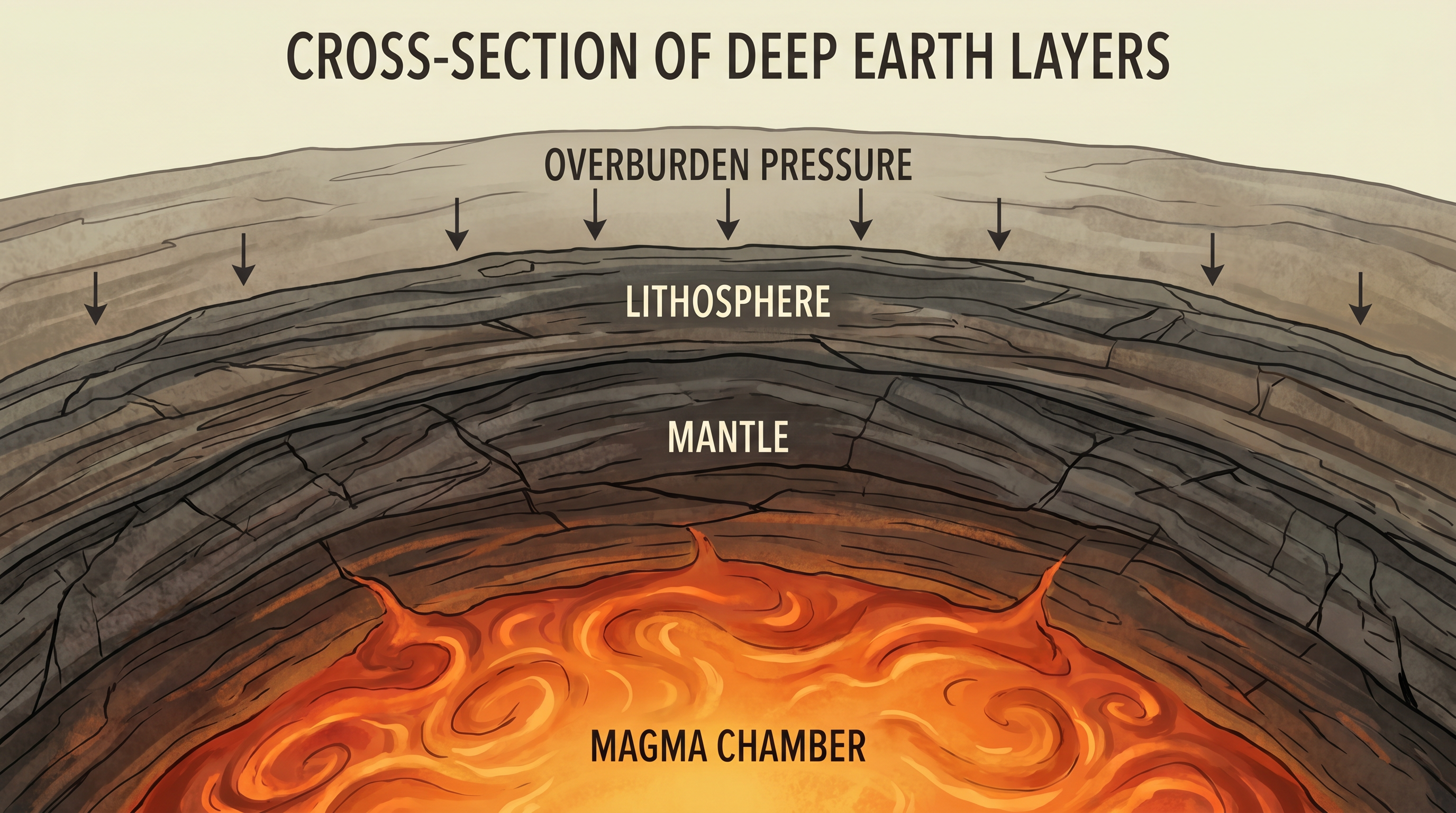
Deep inside the Earth, there is intense heat and crushing pressure. These forces squeeze carbon atoms closer together than anywhere else on our planet, changing their entire structure forever.

Under this extreme weight, the carbon atoms lock into a perfect, repeating pattern. This rigid, geometric grid is what makes the diamond stronger than any other natural mineral found.
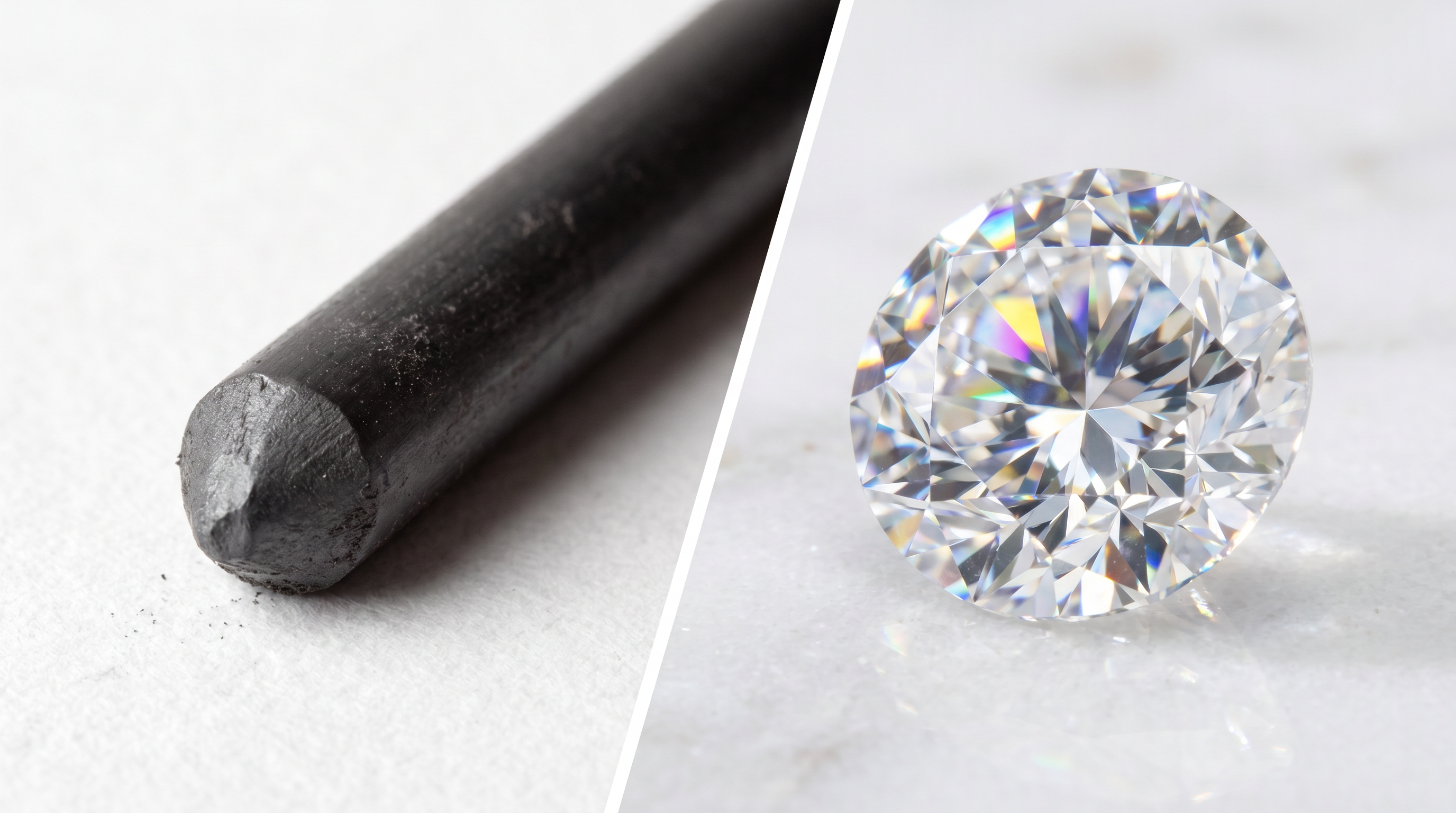
If you look at a piece of graphite in a pencil and a diamond, they are both made of carbon. Can you guess which one feels smoother and why?
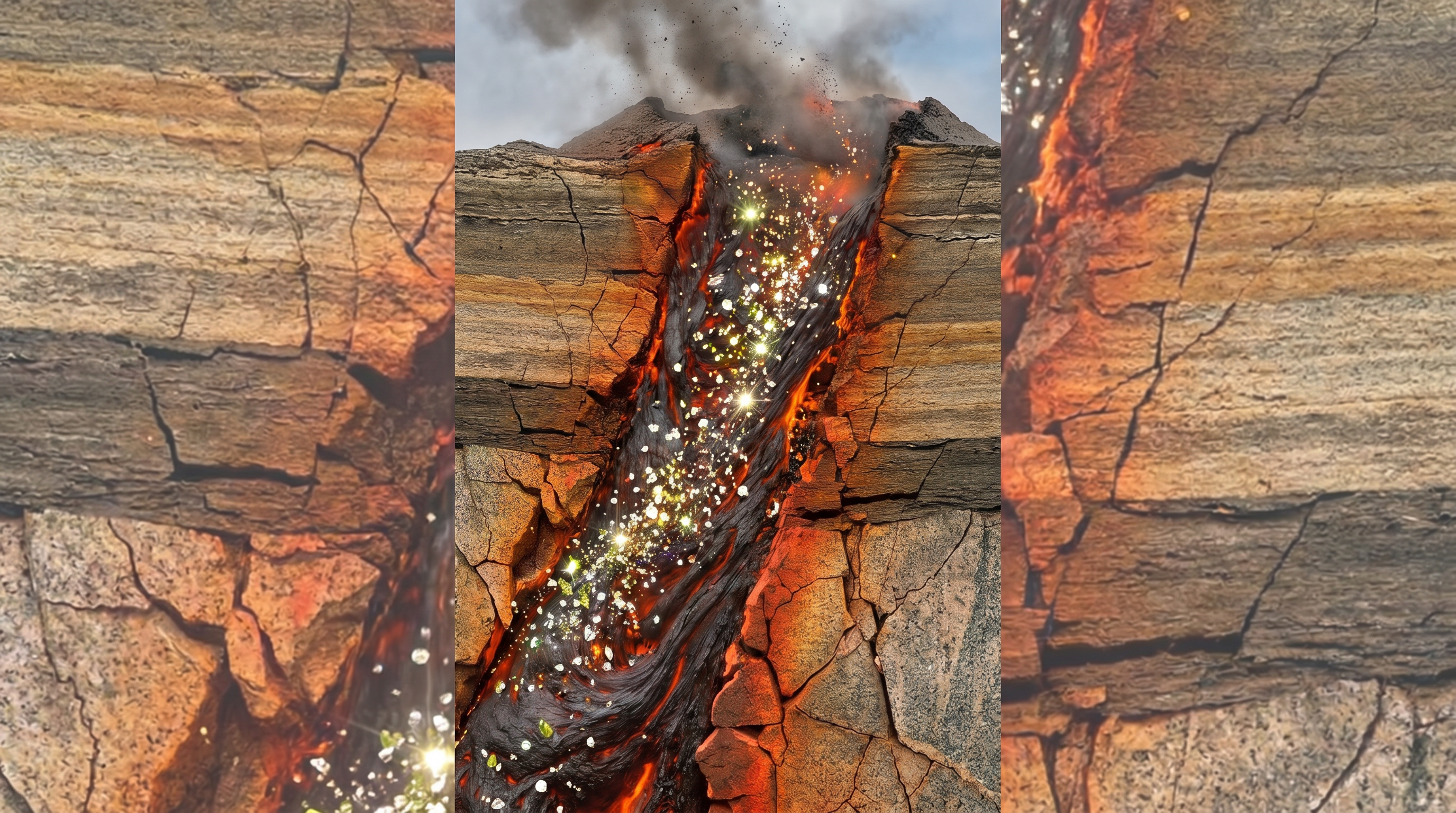
Diamonds don't just stay deep down. Powerful volcanic eruptions act like a fast elevator, pushing these crystals up toward the surface through narrow, pipe-like channels in the rocky crust.
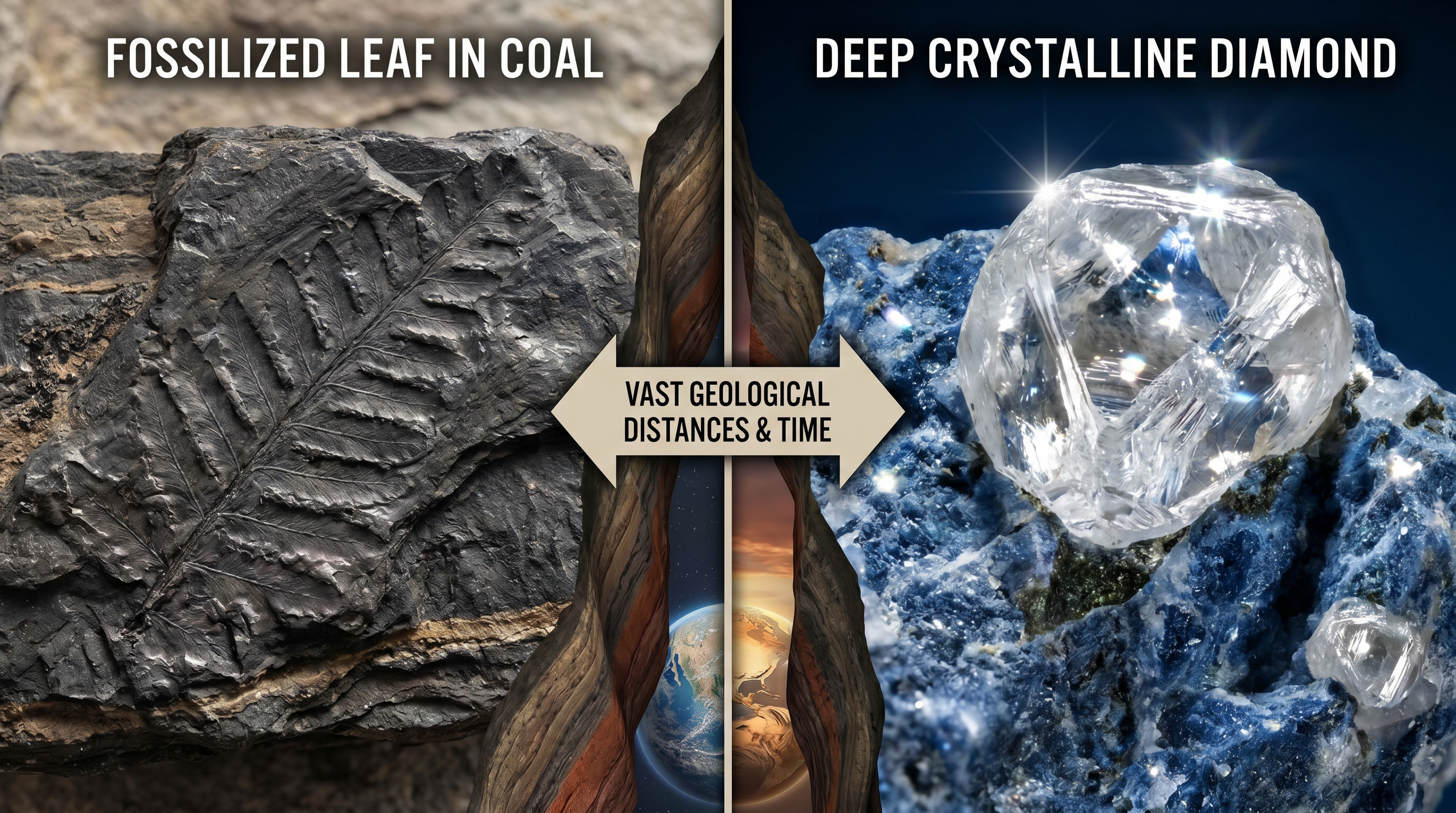
Many people think diamonds come from old coal deposits, but that is a myth! Diamonds actually form much deeper in the Earth, long before plants even existed on land.

We have learned that pressure and heat create these gems. But if these crystals are born so deep, what other mysterious treasures might be hiding in the Earth's molten core?
Describe any idea in a sentence and Remee builds it for you — stories, games and quizzes on whatever you or your class are working on. Free to start, no card needed, and everything you make gets a link you can share anywhere.
Remee turns any idea into an illustrated story, a playable game, or an interactive quiz — at home or in the classroom.