 Lesson
This lesson explores the process of extracting DNA from cold case evidence, comparing it against genealogical databases, and using forensic facial reconstruction to identify unknowns.

Did you know a single cigarette butt left decades ago contains enough biological data to identify someone today? Forensic science now turns microscopic traces into powerful evidence for cold cases.
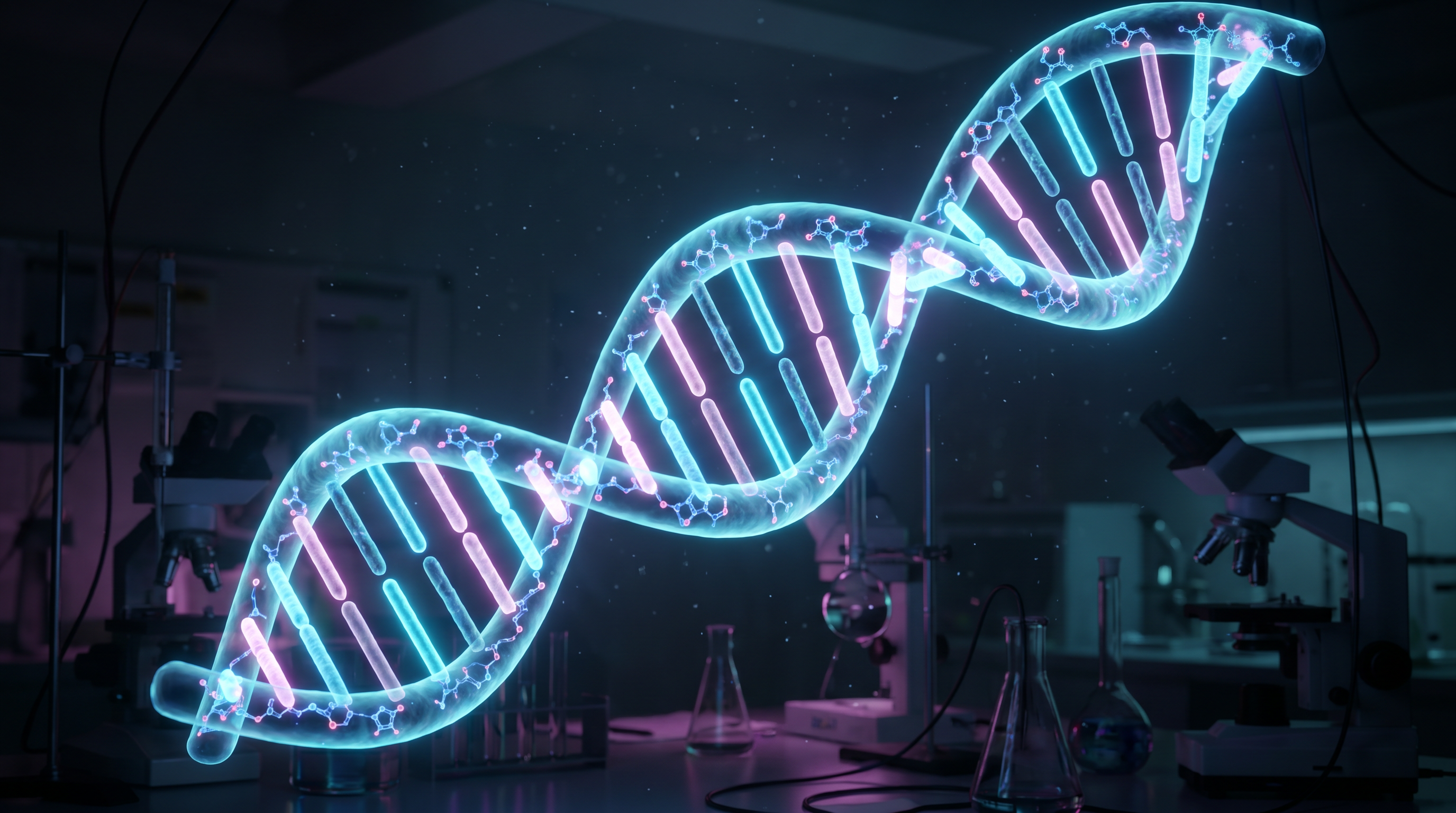
Scientists extract DNA from cells found on the filter. This genetic code is then sequenced to create a digital profile, acting as a unique biological thumbprint for the individual.
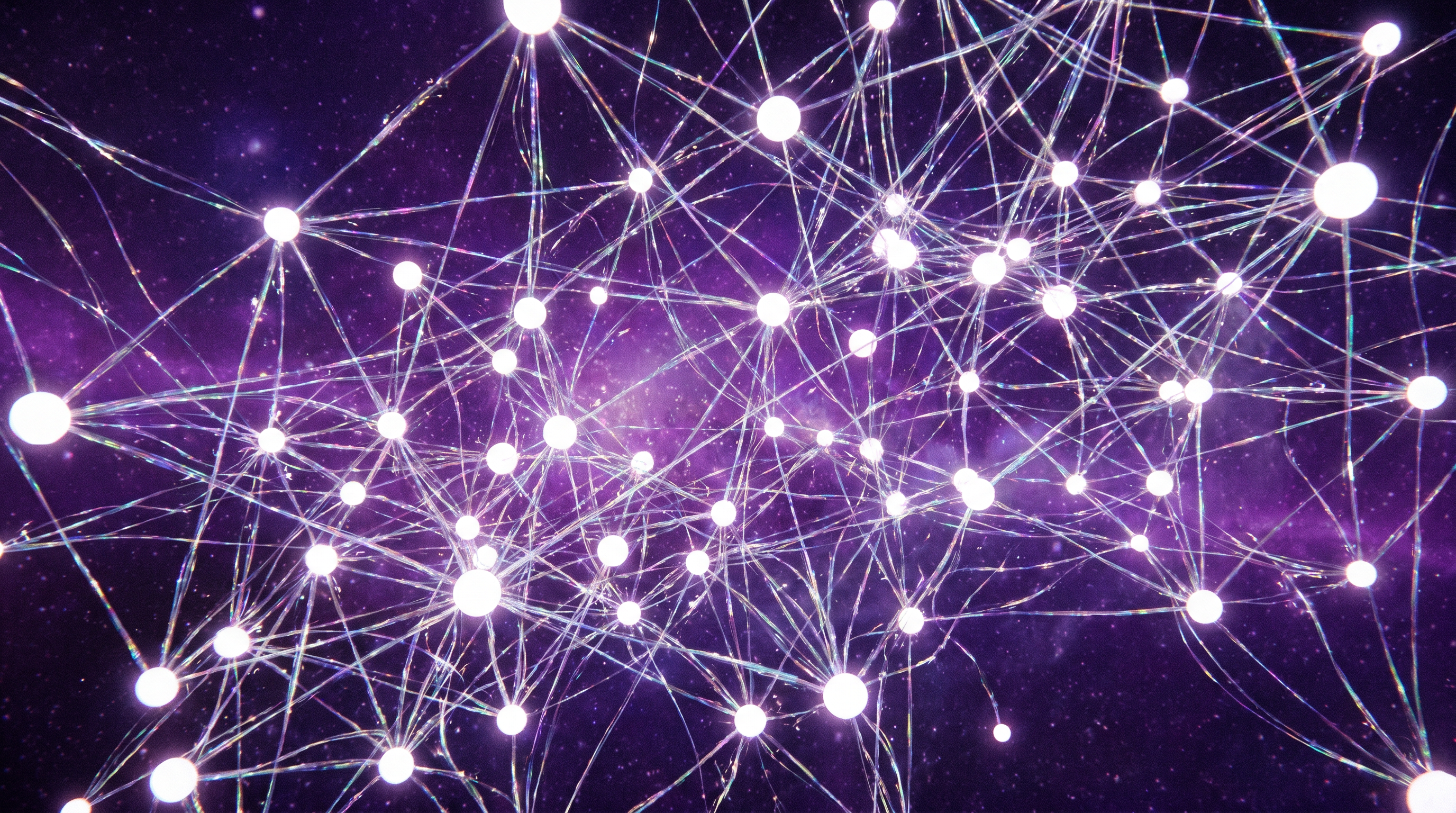
This profile is uploaded to genealogy databases. By comparing shared DNA segments, detectives find distant relatives, building a massive web of connections to narrow down the search area.
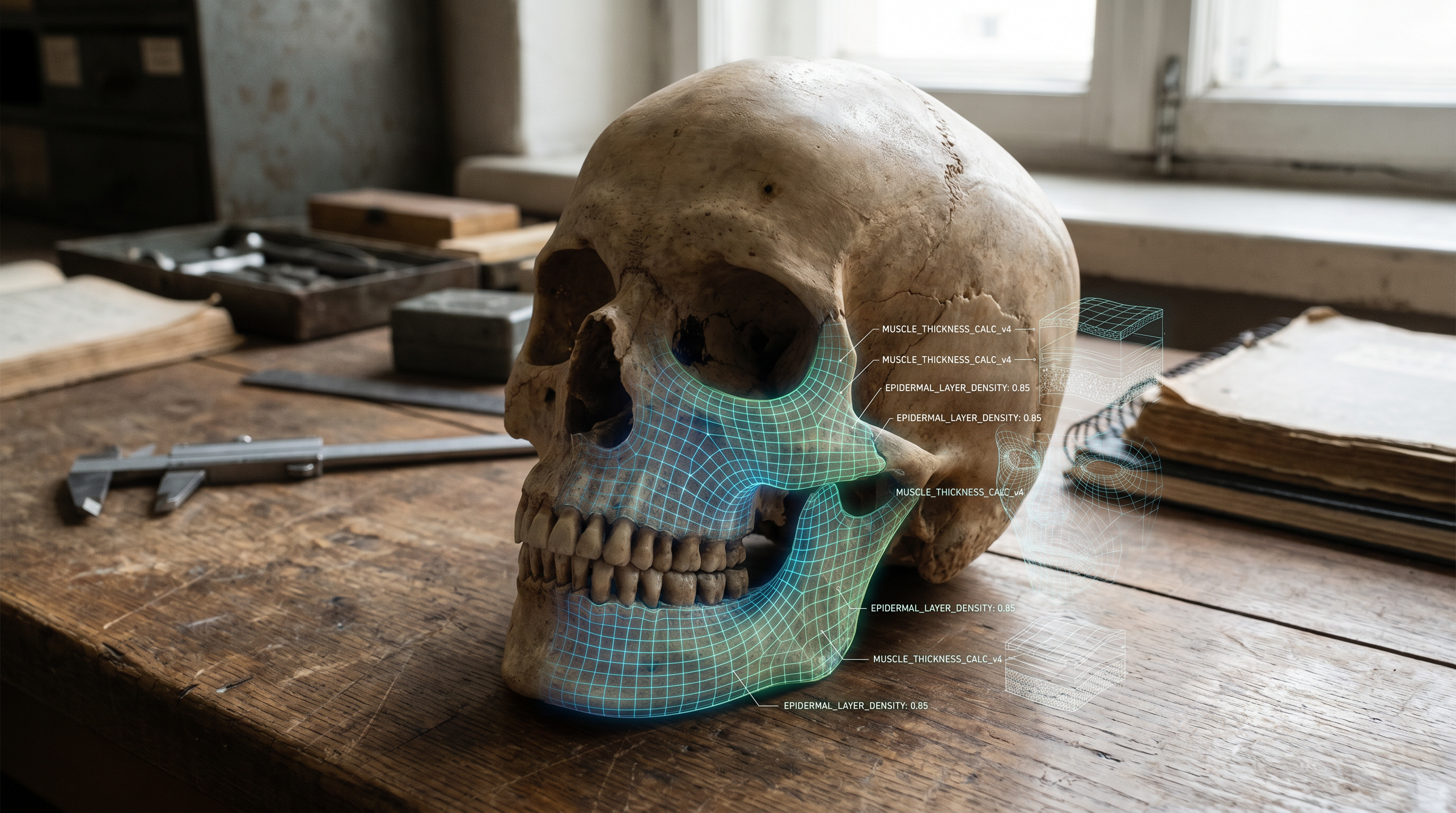
If the DNA points to a specific region, forensic artists use algorithms to predict appearance. Can you guess how bone structure influences facial shape in skull reconstruction models?
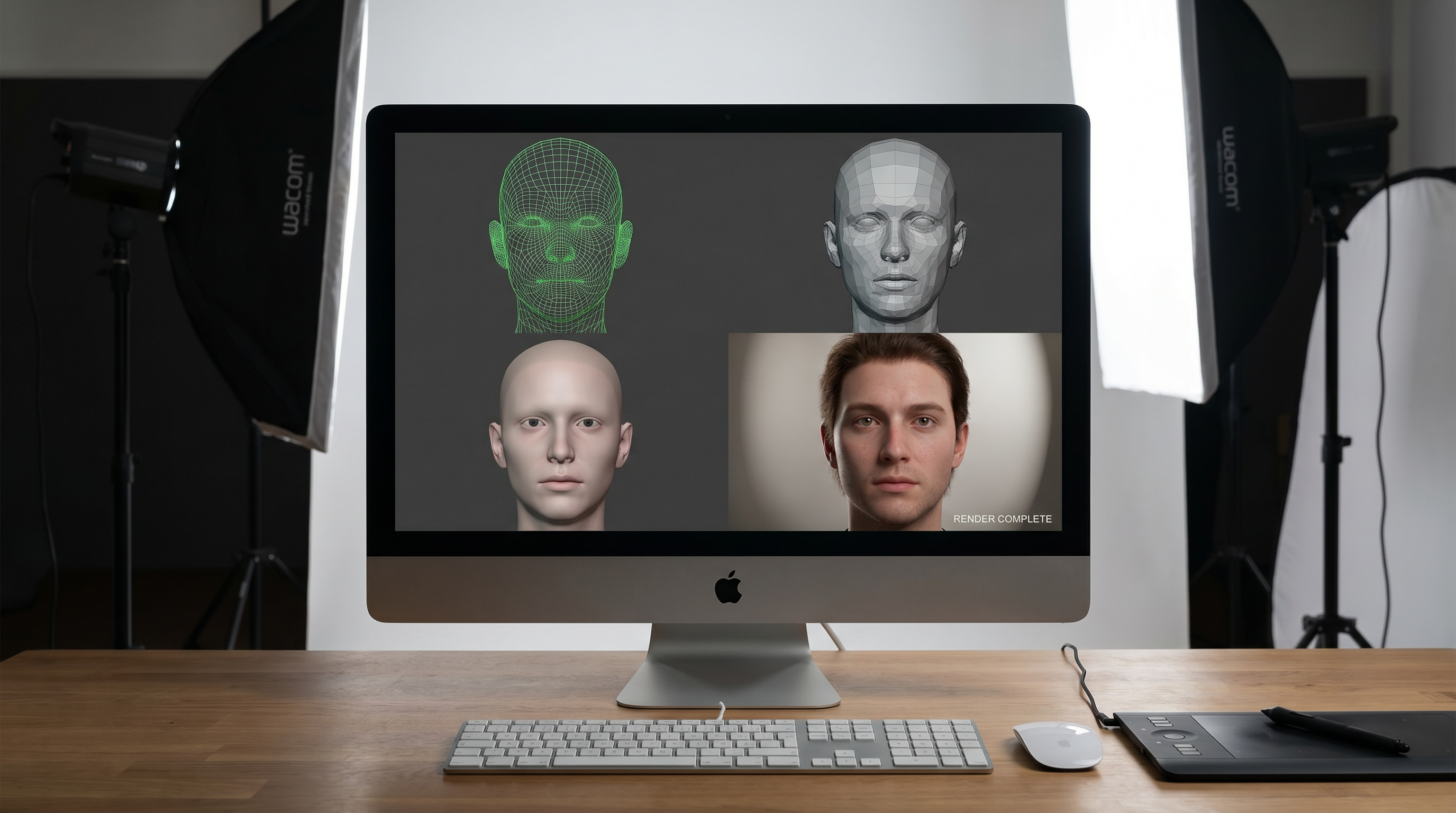
These reconstructions use documented biological markers to estimate skin tone, eye color, and hair texture. This provides a visual lead when traditional records have long since gone cold.

A common myth is that DNA profiles give us a perfect photo. In reality, genetics only provide a probability map of physical traits, which investigators must combine with historical documents.
We have seen how DNA, genealogy, and algorithms bridge the gap between past and present. But what happens when DNA degrades over time? That is the next frontier of forensic science.
Describe any idea in a sentence and Remee builds it for you — stories, games and quizzes on whatever you or your class are working on. Free to start, no card needed, and everything you make gets a link you can share anywhere.
Remee turns any idea into an illustrated story, a playable game, or an interactive quiz — at home or in the classroom.