 Lesson
This lesson tracks the ecological progression of a whale fall, from the initial scavenger feast to the final microbial stage, revealing the ocean's nutrient recycling process.
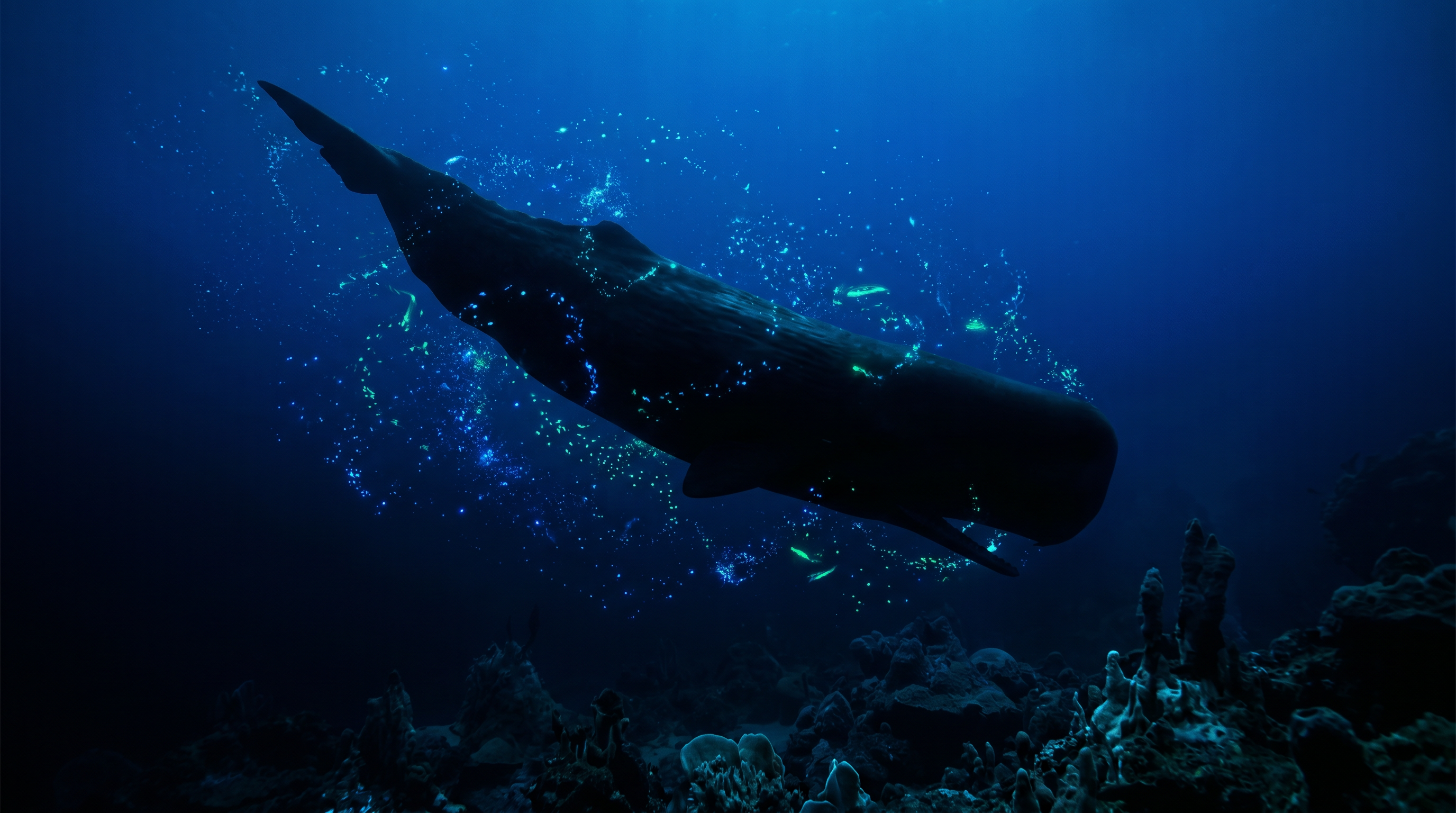
Imagine a giant whale sinking thousands of meters into the dark, cold abyss. It is not an end, but a massive nutrient delivery that will sustain life for fifty years.
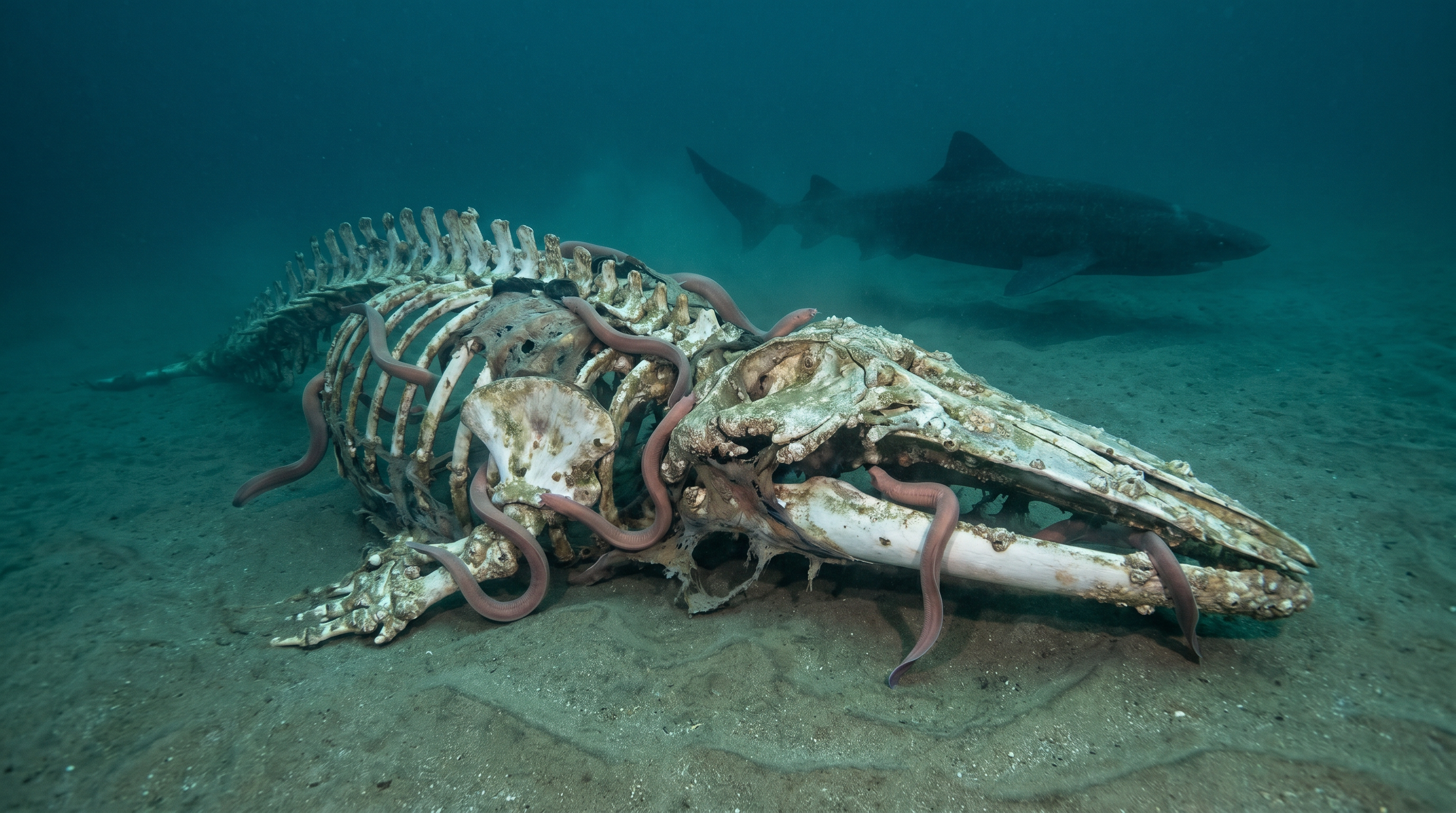
First, mobile scavengers like sleeper sharks and hagfish arrive. They strip away the soft tissues rapidly, consuming the most accessible energy in a frenzy that lasts only months.
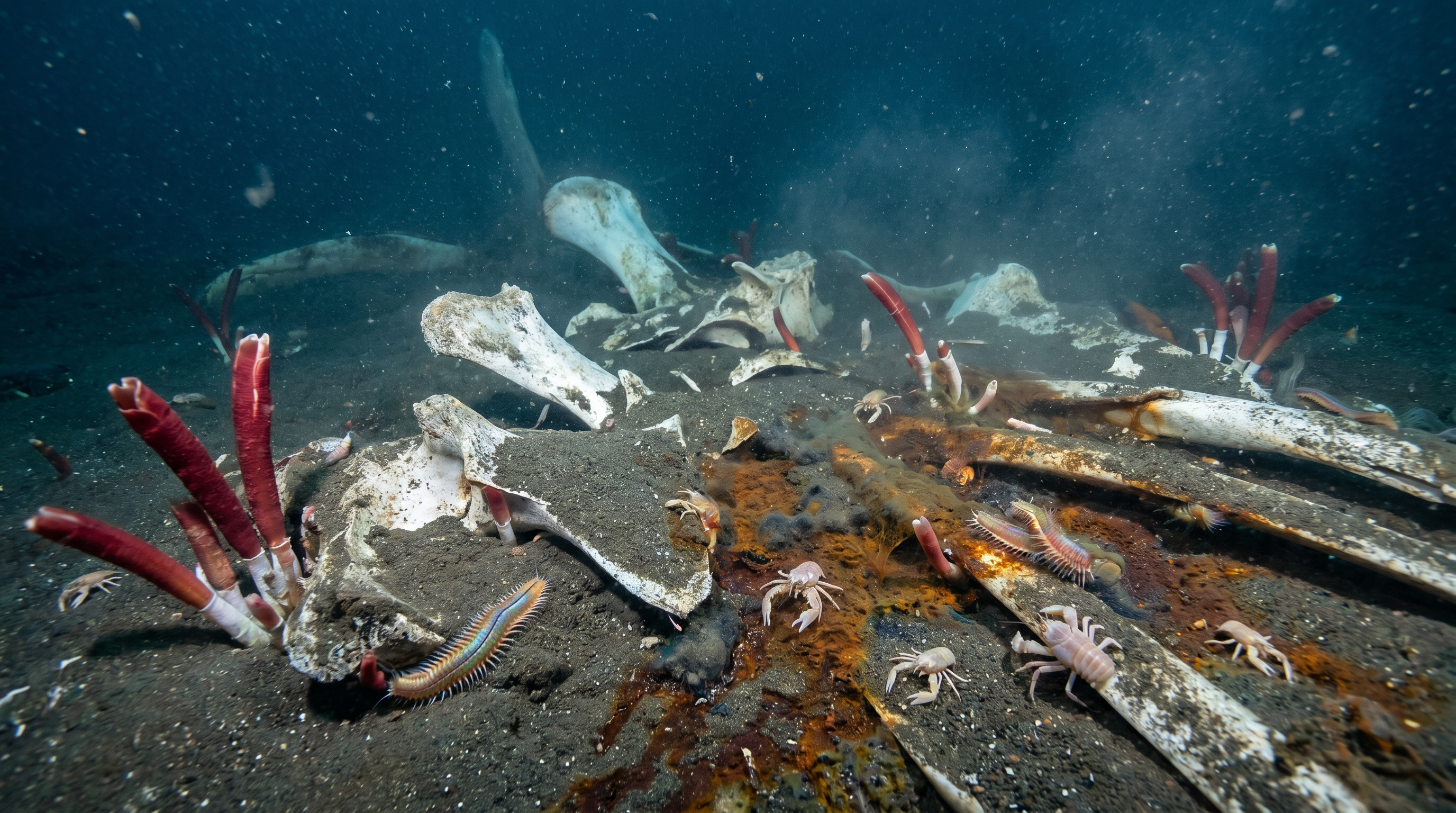
Next, the enrichment-opportunist stage begins. Worms, crustaceans, and mollusks colonize the nutrient-rich sediment around the bones, thriving on the leftover oils and fluids soaking into the sea floor.
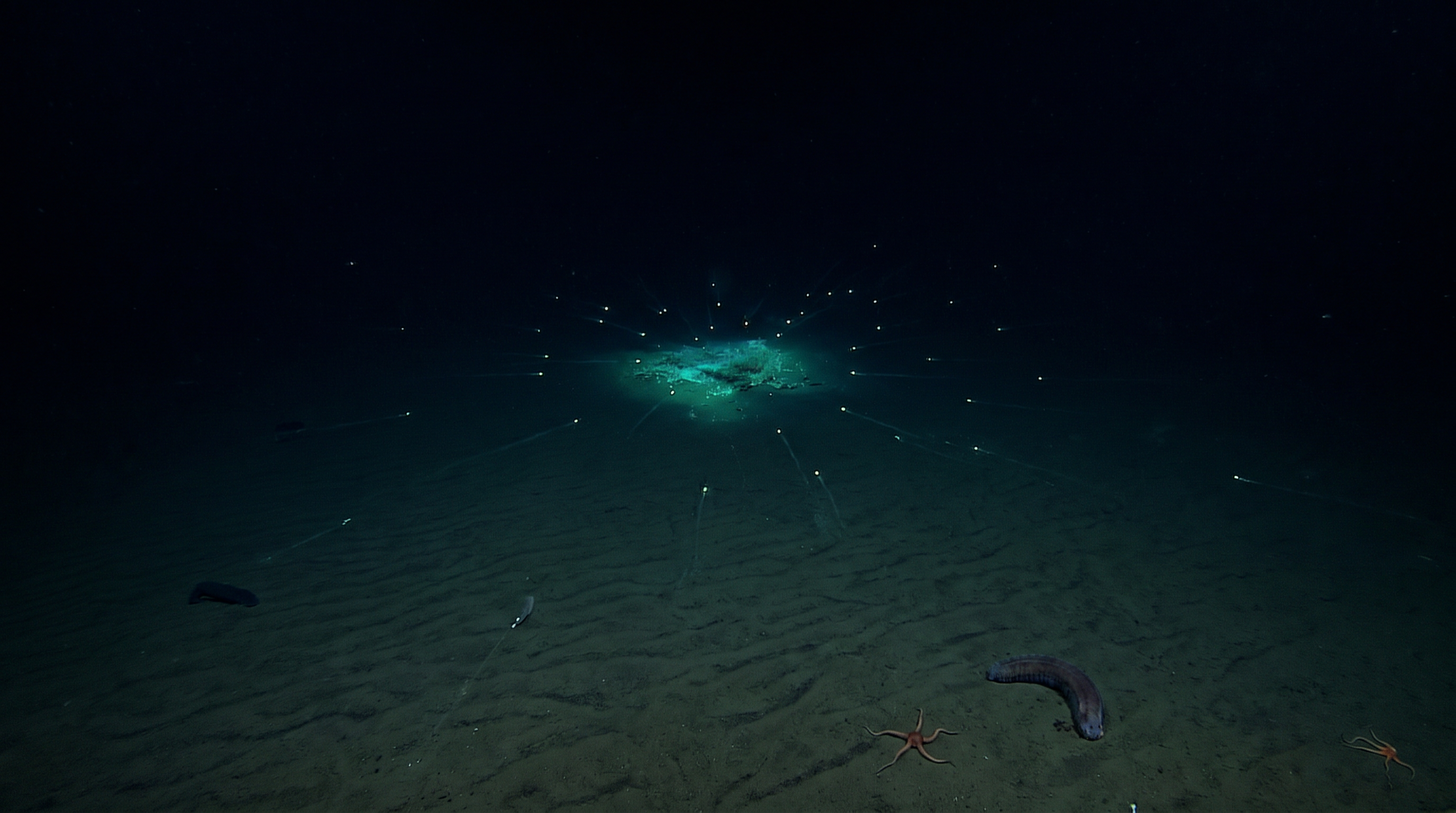
Think about the energy available here. If you were a tiny organism in a barren desert, would you rather wait for a windfall or evolve to survive on scraps? How do creatures detect these falls?
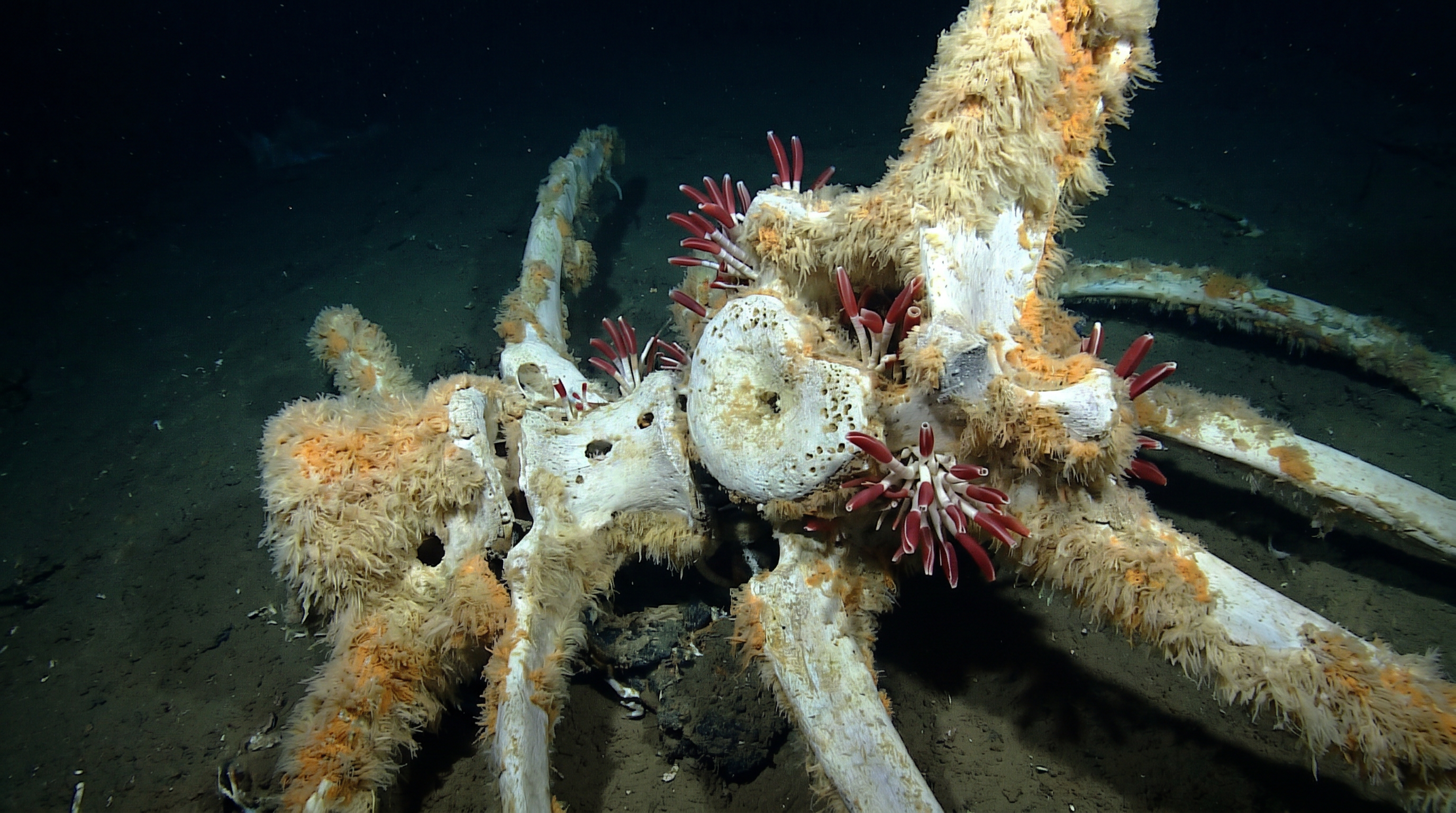
During the sulfophilic stage, bacteria break down fats inside the bones. They release hydrogen sulfide, which supports specialized tube worms and clams that live for decades on these chemicals.
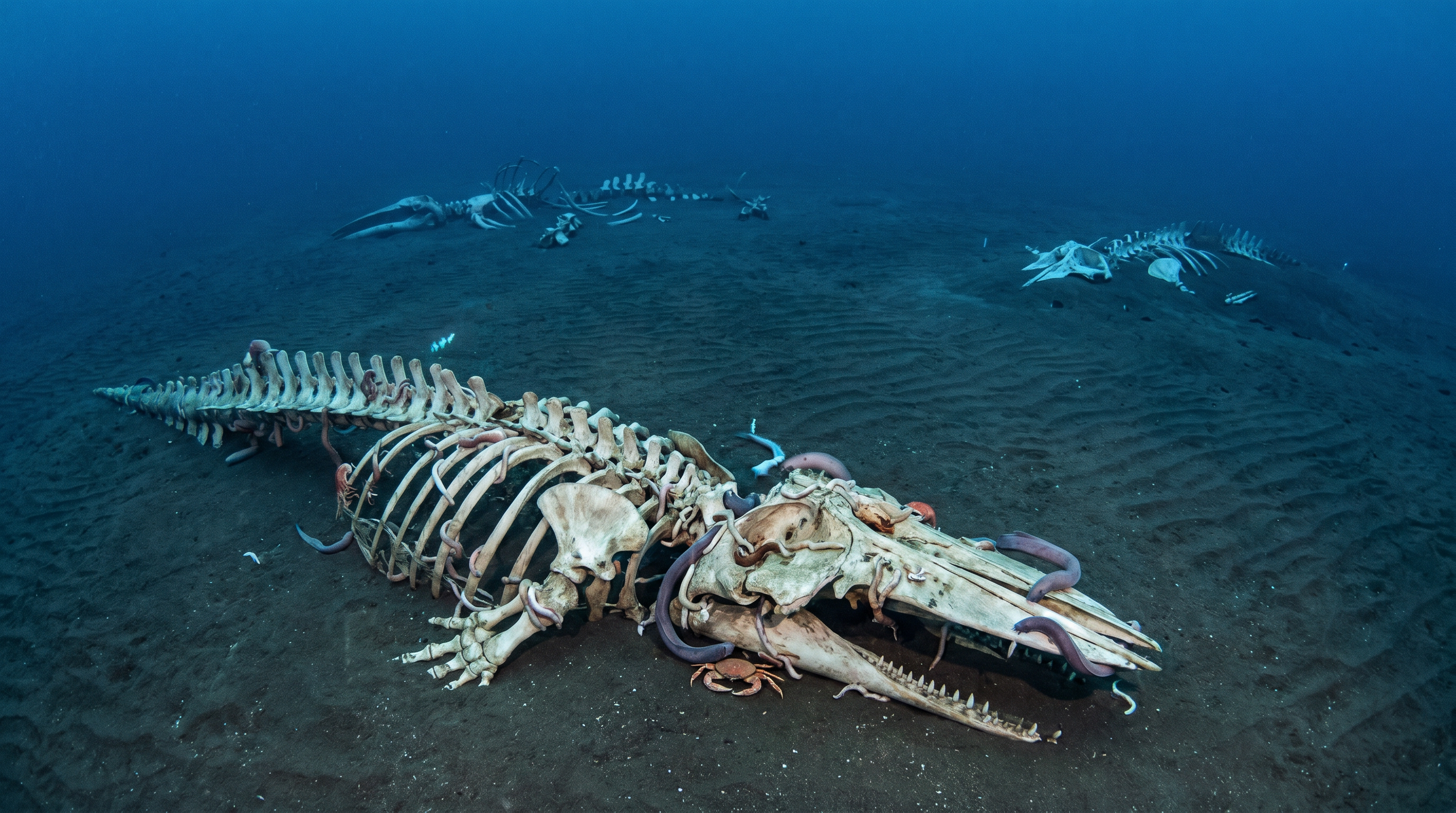
It is a misconception that the ocean floor is a dead wasteland. In reality, whale falls act as 'stepping stones,' allowing deep-sea species to migrate across vast, empty distances.
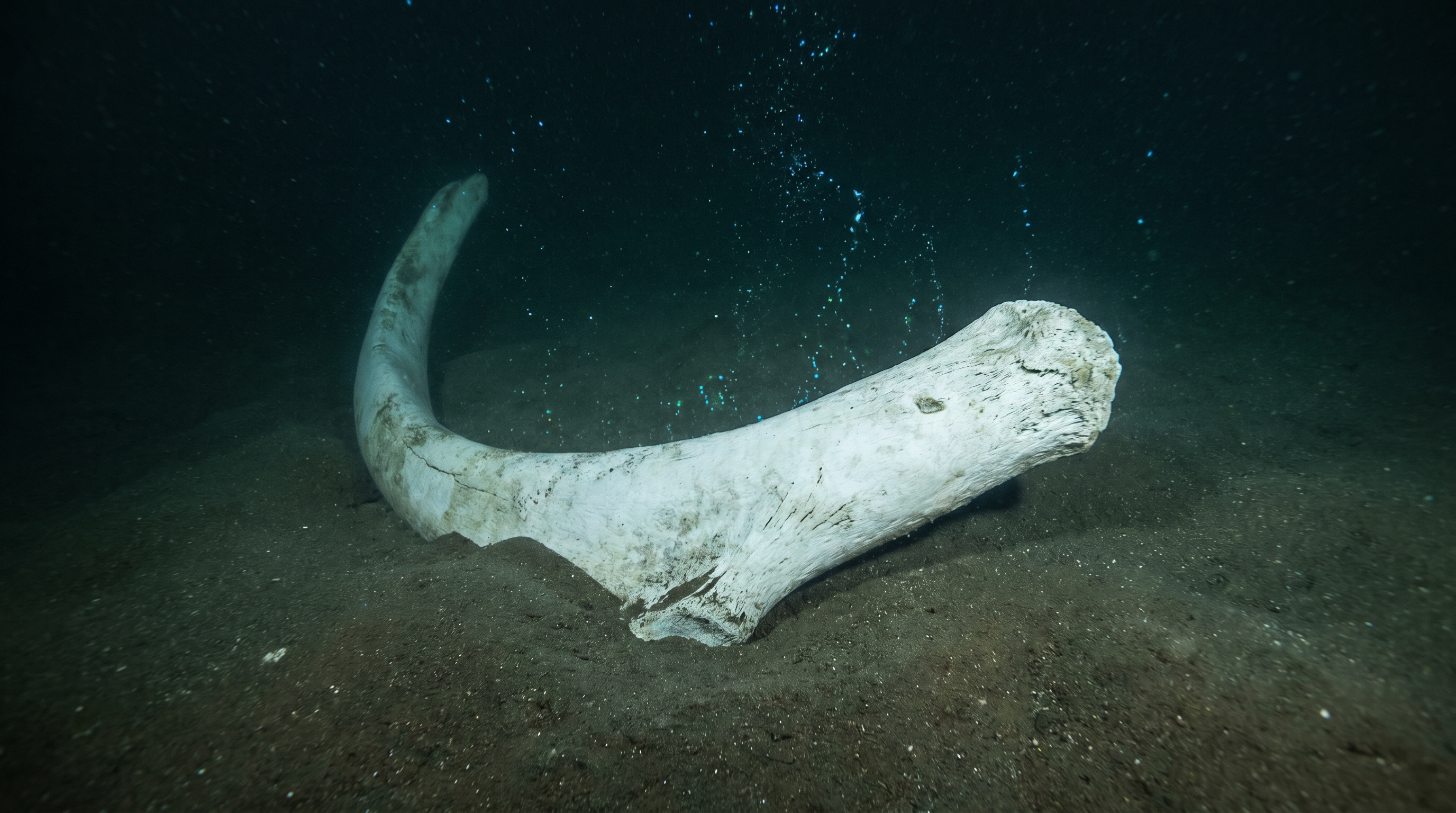
The whale fall eventually vanishes, leaving only minerals behind. But what happens to the specialized species once their home disappears? Could they survive on smaller falls, or are they lost forever?
Describe any idea in a sentence and Remee builds it for you — stories, games and quizzes on whatever you or your class are working on. Free to start, no card needed, and everything you make gets a link you can share anywhere.
Remee turns any idea into an illustrated story, a playable game, or an interactive quiz — at home or in the classroom.