 Lesson
This lesson explores how dolphins emit sound pulses and interpret returning echoes to map their environment, clearing up common myths along the way.

Imagine swimming in a pool so dark you cannot see your own hands. Dolphins do this every day! How do they navigate without eyes? Let's dive into their incredible secret.

Dolphins use echolocation. They produce rapid clicking sounds in their heads. These clicks travel through the water until they hit an object, bouncing back like a ball off a wall.

When the sound bounces back, the dolphin catches the returning echoes with its lower jaw. This information travels to their brain, which builds a detailed 3D map of surroundings.
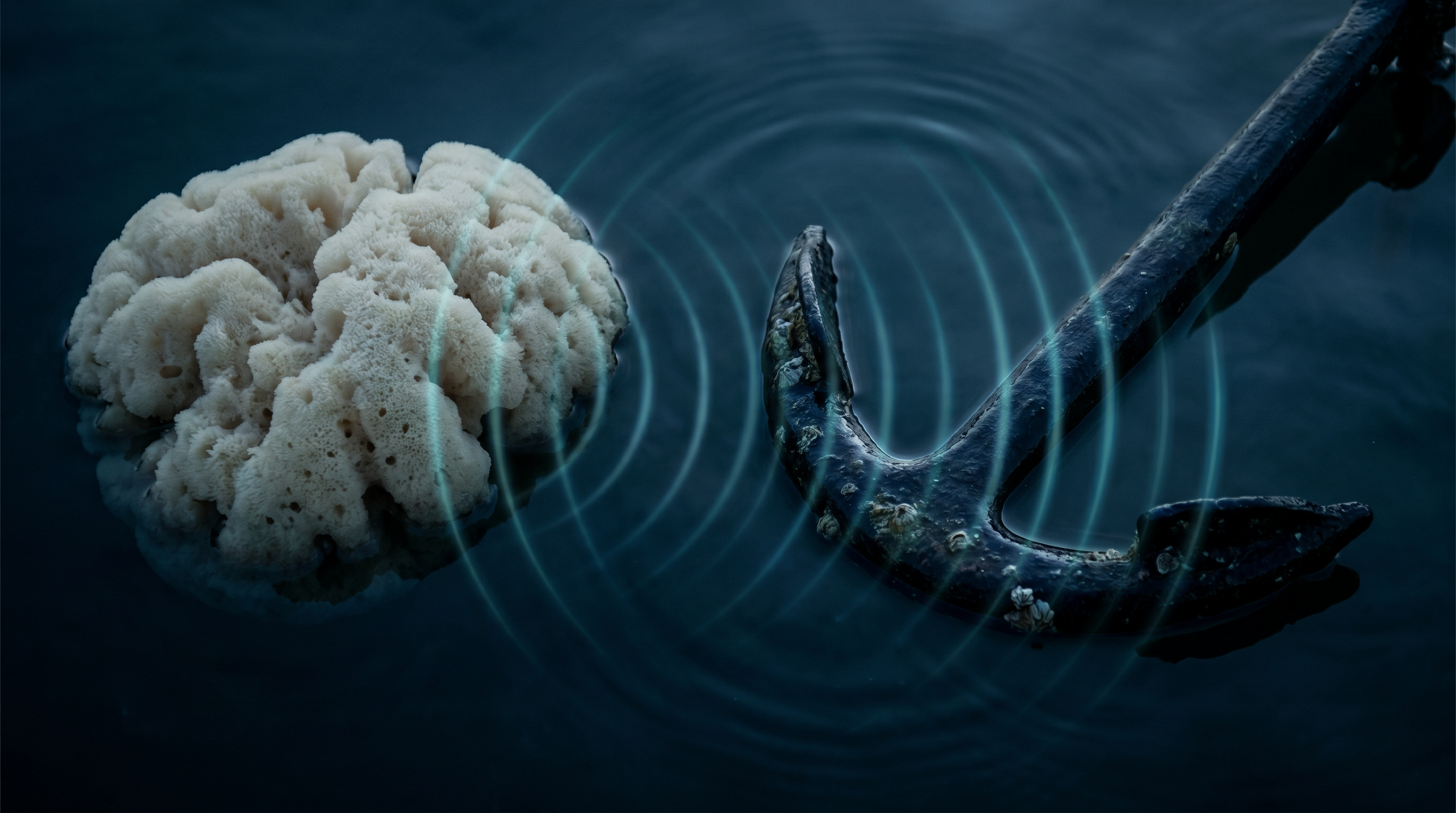
If a dolphin clicks at a soft sponge and then at a hard metal ship, the echoes sound different. Can you guess which one sends back a sharper, faster echo?
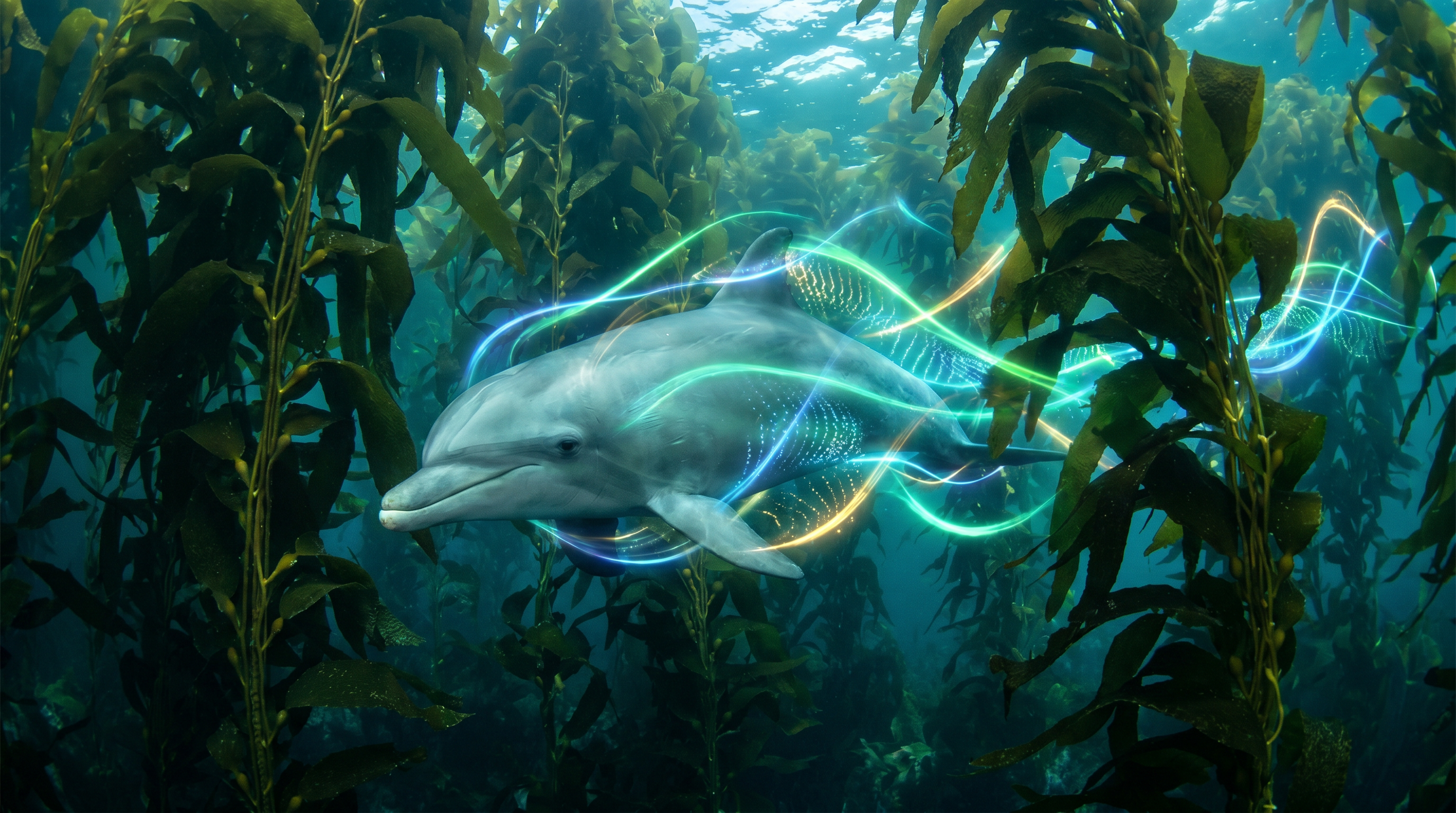
Dolphins use this to find tiny fish hiding in sand or to avoid obstacles in murky harbors. Their sonar is so precise they can distinguish between objects the size of marbles.
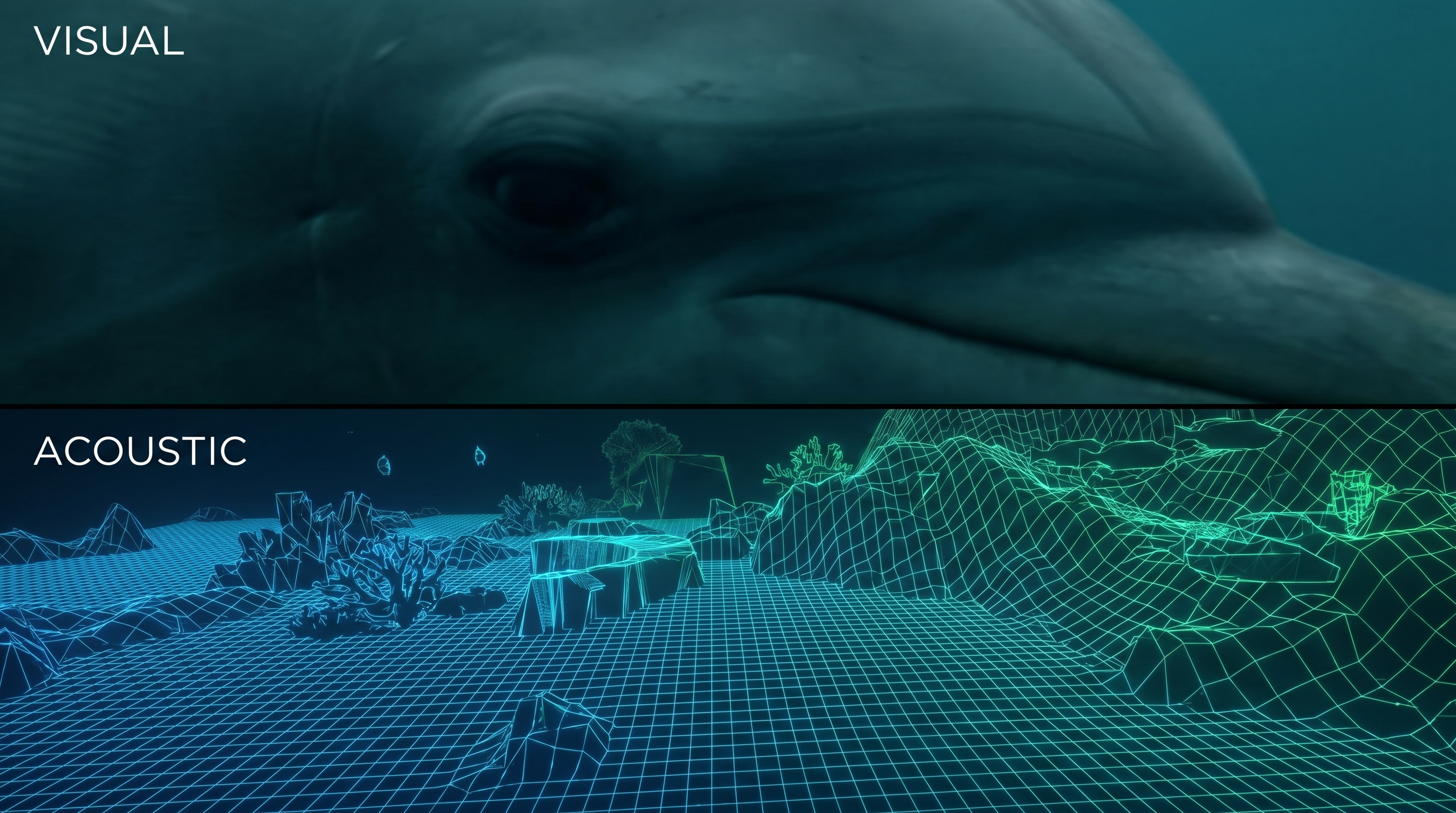
Many people think dolphins use their eyes to see in the dark, but that is a myth! Their eyes are for light, but their ears and sonar are for mapping.

Dolphins 'see' using sound waves to paint a mental picture. They master the dark with echoes! But could these powerful clicks also communicate complex thoughts to other dolphins nearby?
Describe any idea in a sentence and Remee builds it for you — stories, games and quizzes on whatever you or your class are working on. Free to start, no card needed, and everything you make gets a link you can share anywhere.
Remee turns any idea into an illustrated story, a playable game, or an interactive quiz — at home or in the classroom.