 Lesson
This lesson explores the Event Horizon Telescope's mission to image a black hole, explaining the science of radio waves, interferometry, and the glowing accretion disk.
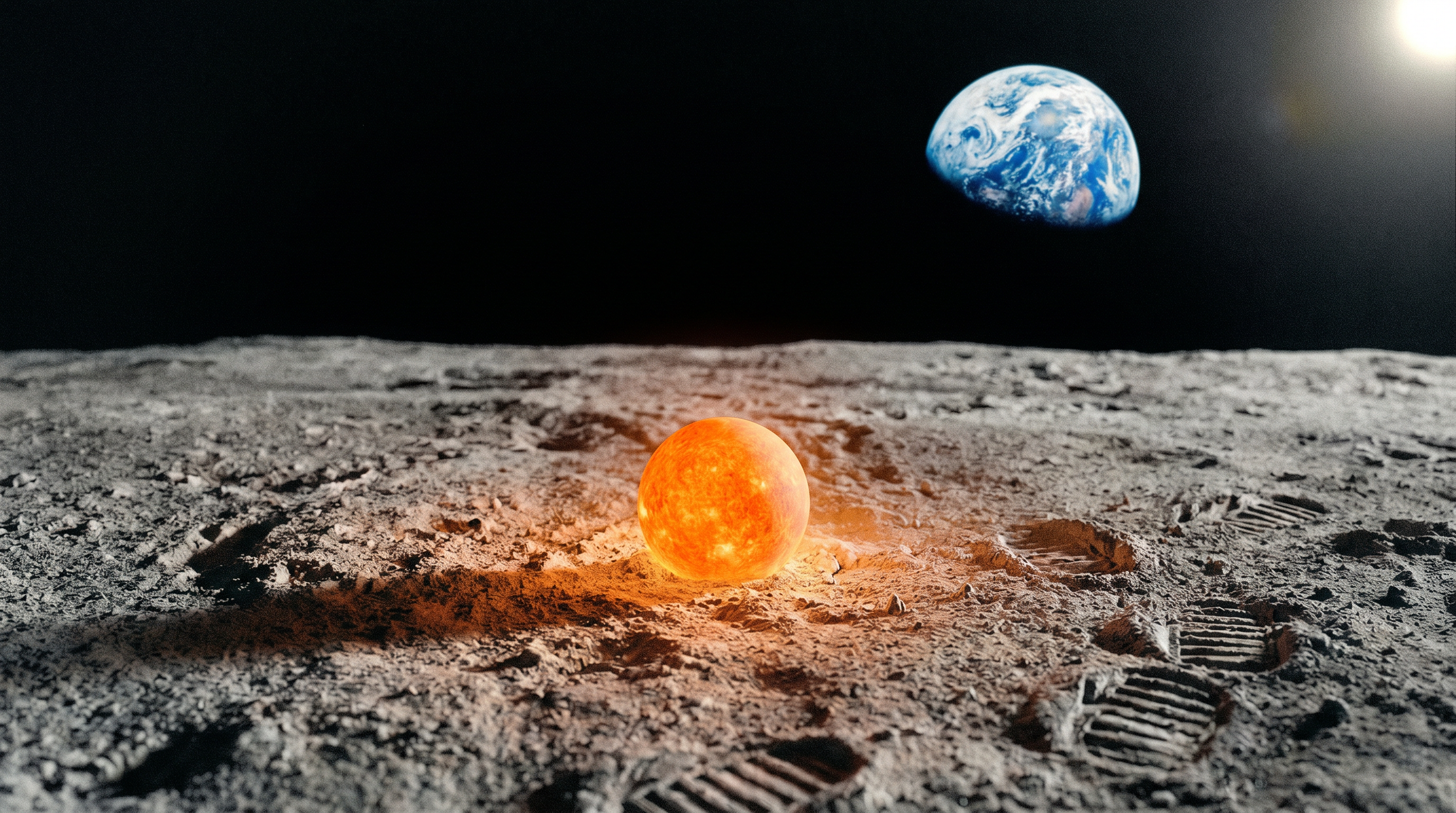
Imagine trying to photograph a tiny orange on the surface of the Moon from Earth. That is the immense challenge scientists faced when attempting to capture a distant, invisible black hole.
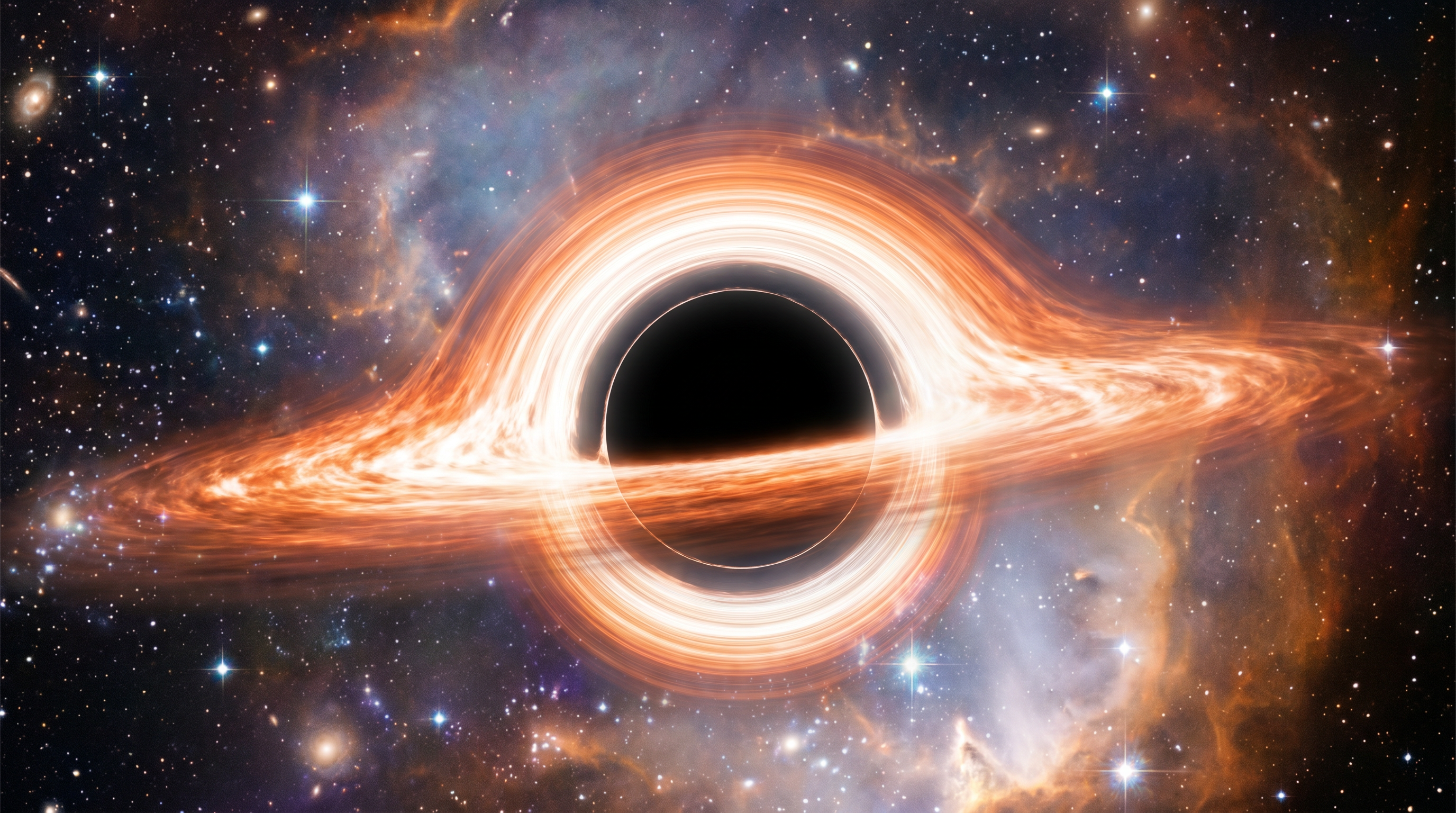
Black holes are invisible because light cannot escape their gravity. We see them by observing the superheated gas swirling around them, which glows brightly in radio wavelengths before falling inward.
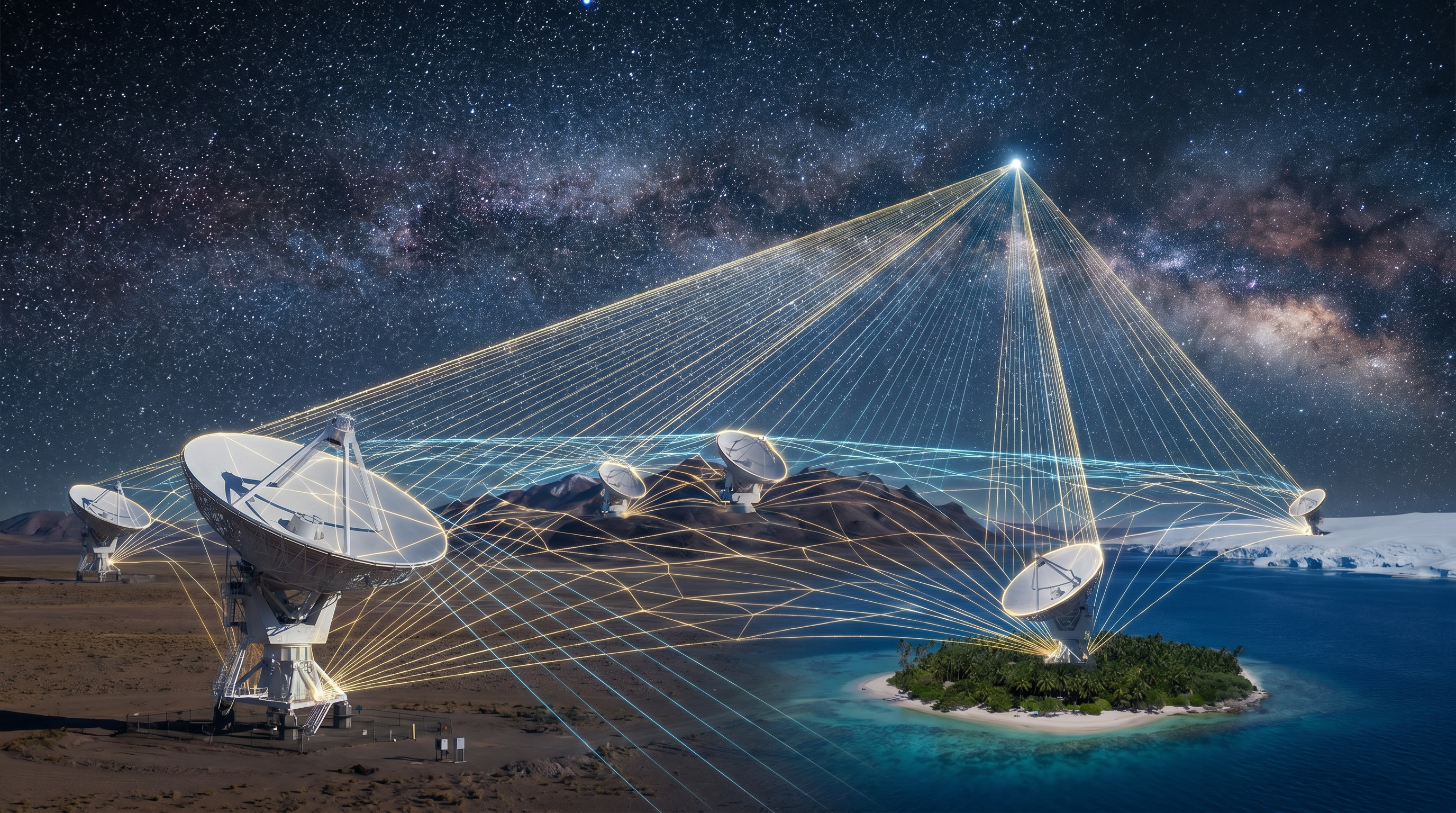
To see something so small, scientists created a virtual telescope as large as the planet. By linking radio observatories worldwide, they functioned as one giant, high-resolution camera lens.
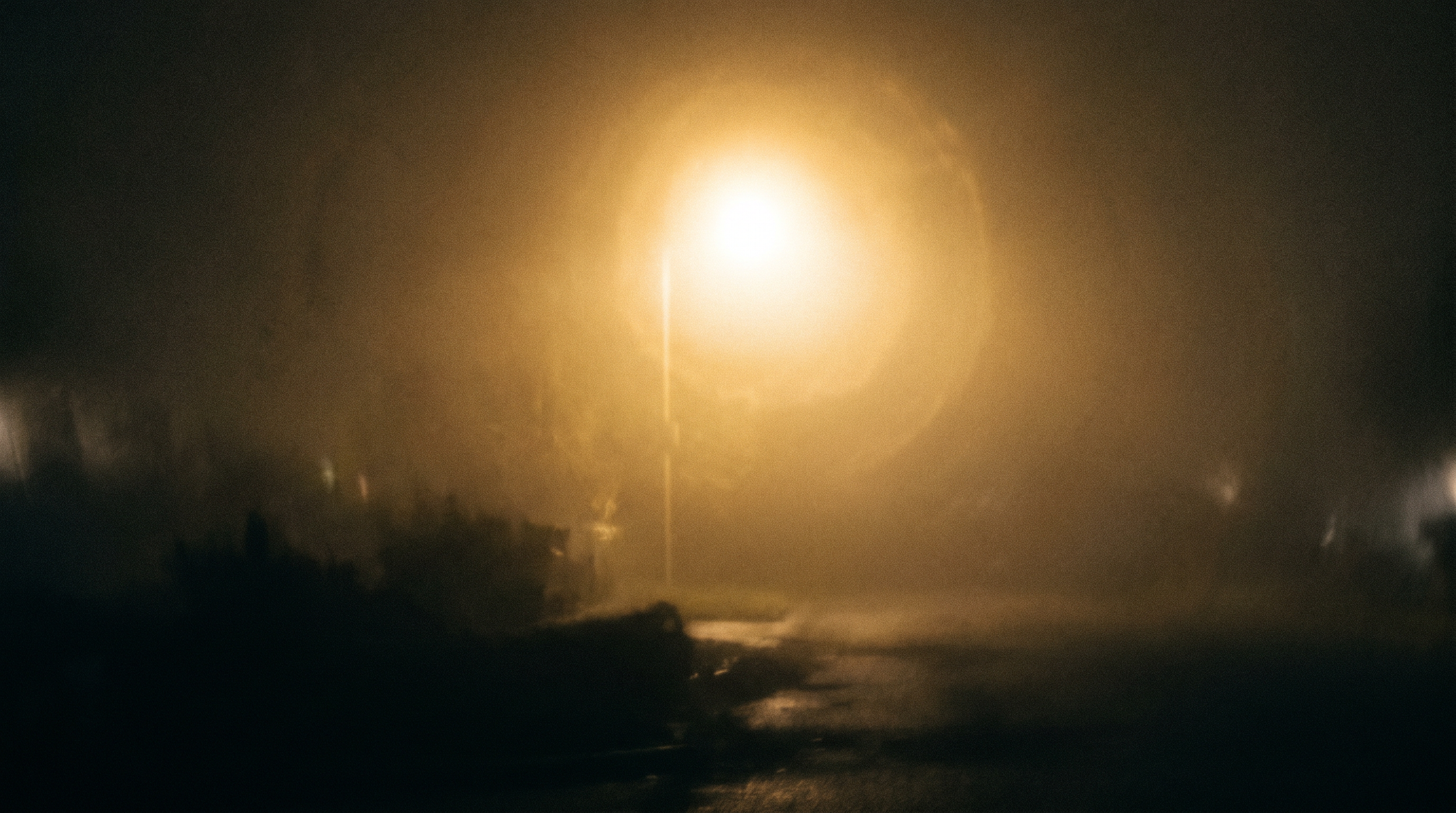
If you look at a distant streetlight through a foggy window, the light spreads out and blurs. Can you guess why we use radio waves instead of visible light to view black holes?
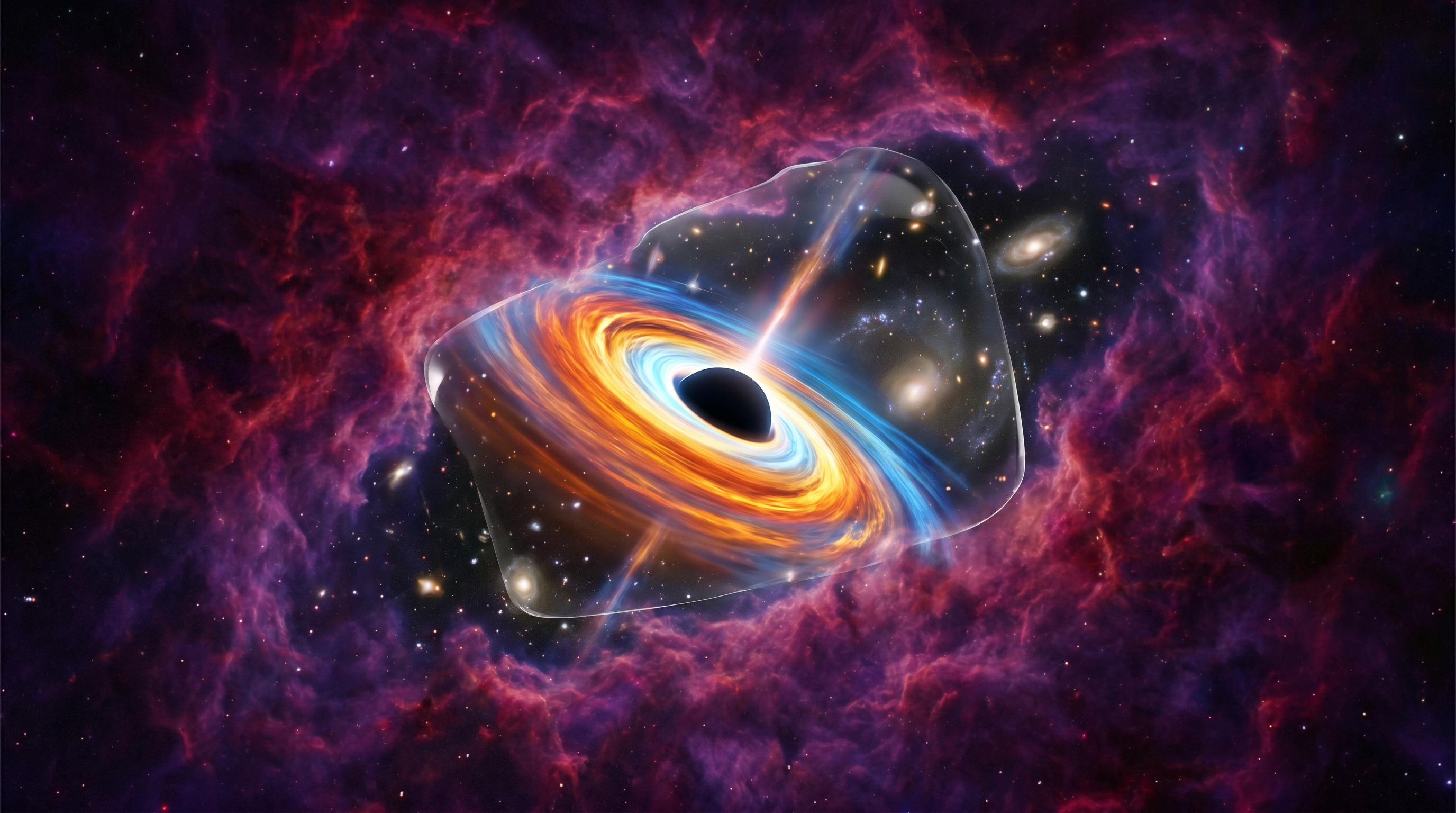
Radio waves pass through the dense cosmic dust clouds that block visible light. This allows the Event Horizon Telescope to peer through the galactic center directly at the black hole's shadow.
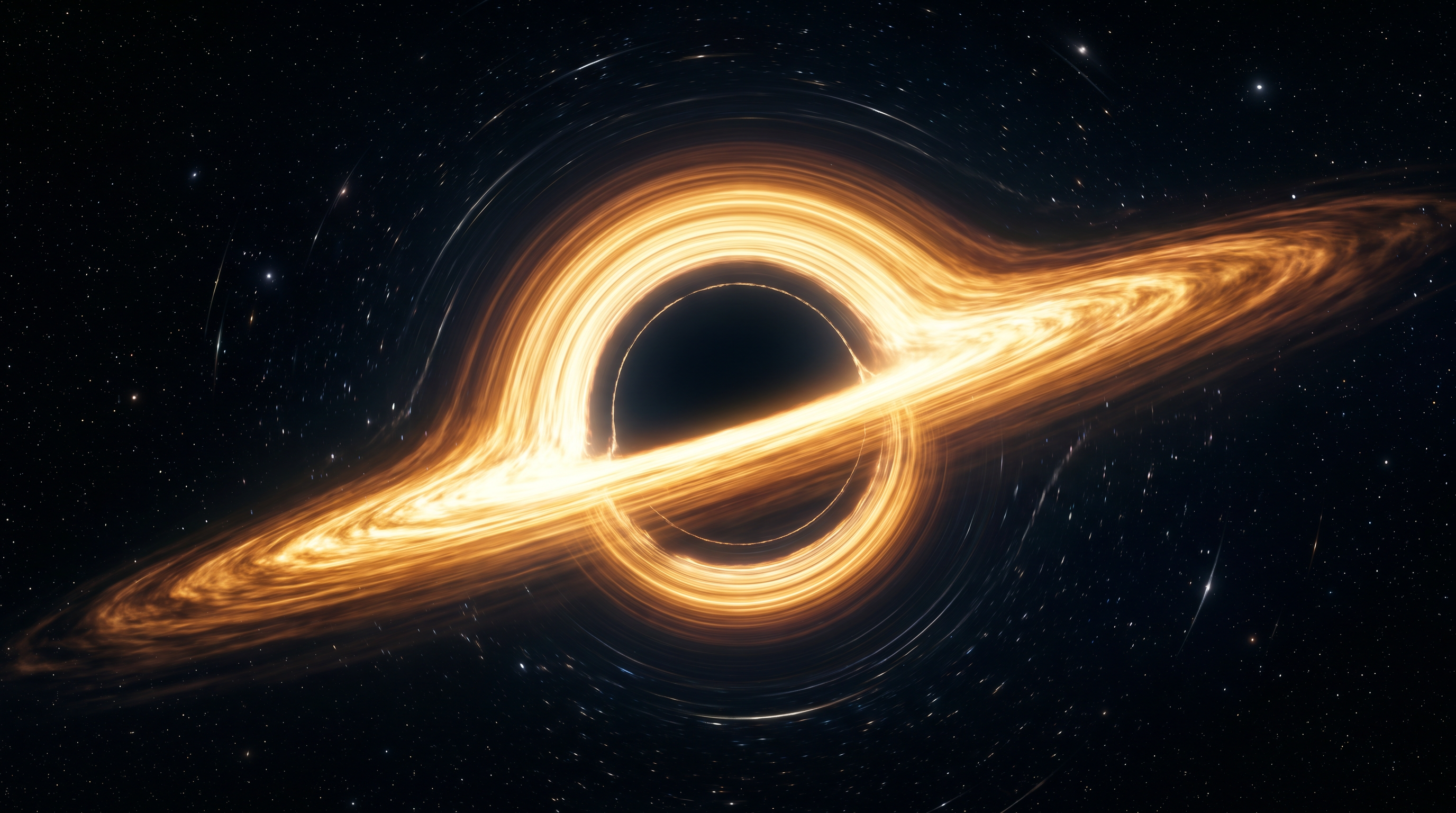
Many think a black hole is a cosmic vacuum cleaner, but it is actually a gravitational anchor. Matter doesn't just disappear; it orbits and heats up, creating that iconic glowing donut.
We have seen the shadow, but the heart of the black hole remains a mystery. What happens to information that falls past the event horizon? That is a question for tomorrow.
Describe any idea in a sentence and Remee builds it for you — stories, games and quizzes on whatever you or your class are working on. Free to start, no card needed, and everything you make gets a link you can share anywhere.
Remee turns any idea into an illustrated story, a playable game, or an interactive quiz — at home or in the classroom.