 Lesson
This lesson breaks down the rocket engine's combustion process and explains how horizontal velocity, not just height, achieves a stable orbit.
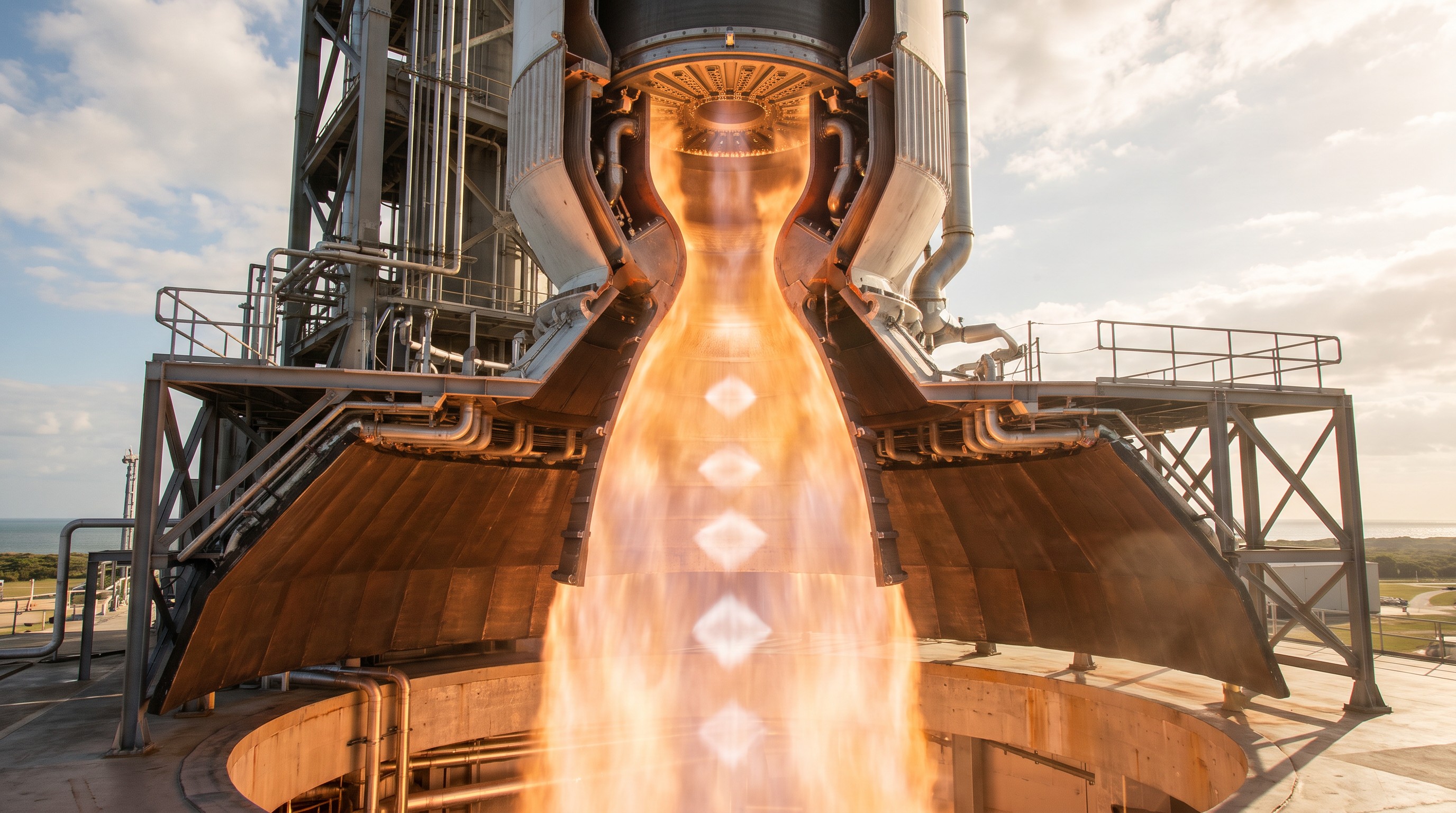
To leave Earth, a rocket doesn't just need to go up; it must reach incredible speeds. It turns chemical energy into massive downward force to push itself into the sky.
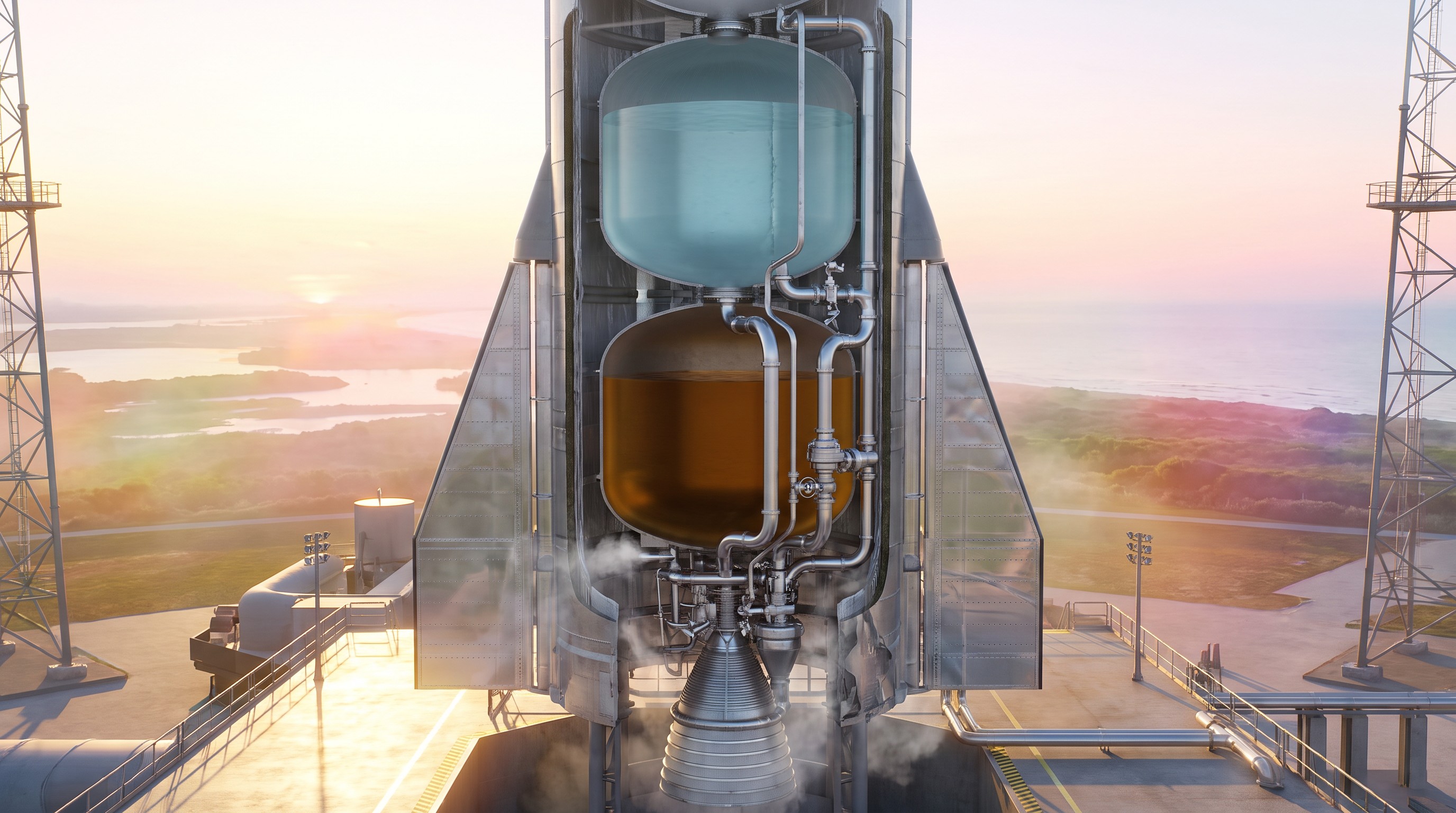
The rocket structure acts as a giant fuel tank. Inside, liquid oxygen and refined kerosene are separated by thin metal bulkheads, ready to mix in the combustion chamber above.
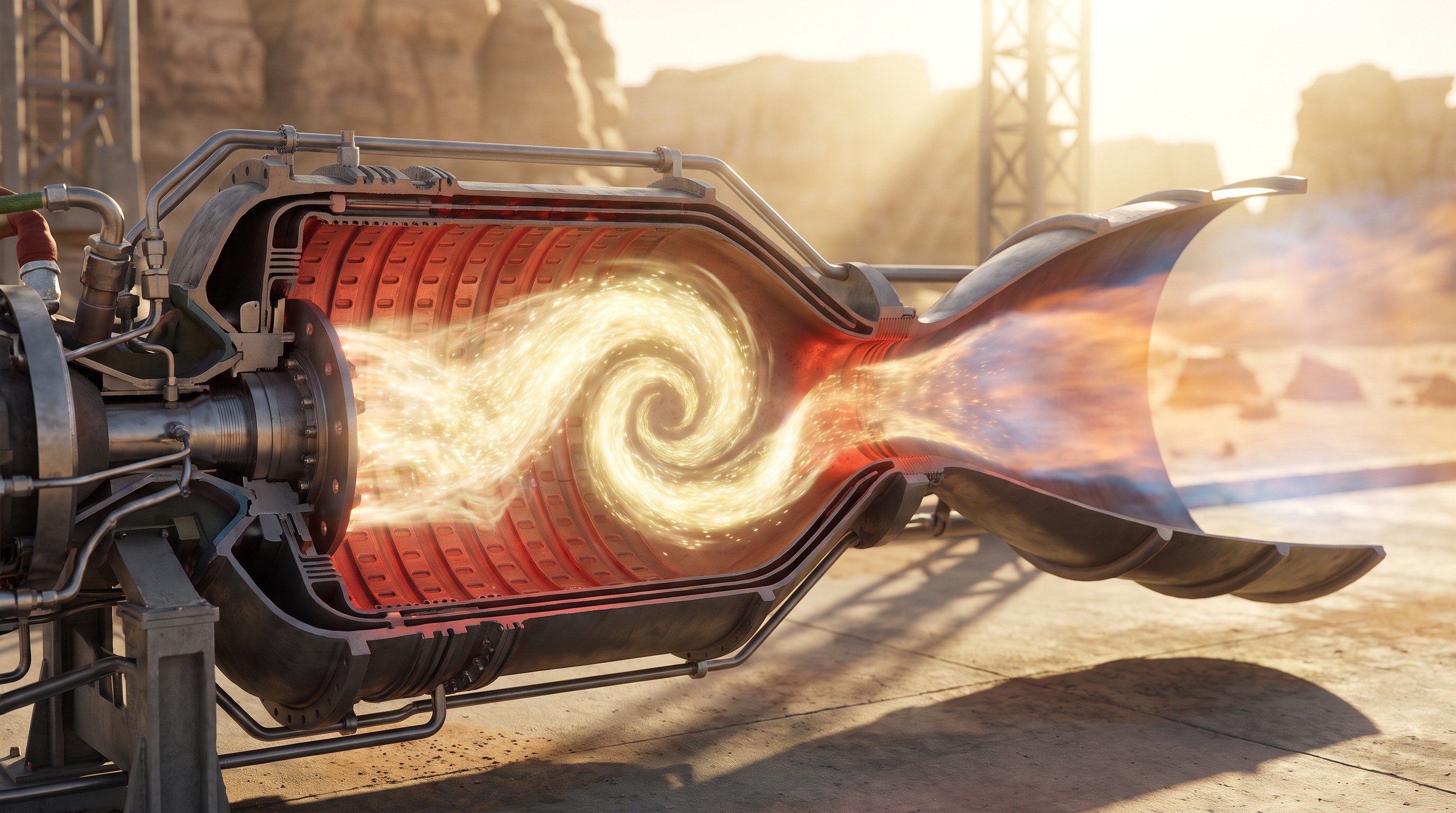
Inside the combustion chamber, fuel and oxidizer mix and ignite. The resulting high-pressure gas expands rapidly, forcing itself out through the nozzle to create the thrust that lifts us.

If you throw a ball, it falls to the ground. If you throw it fast enough, the Earth curves away as it falls. How fast must you throw it to miss the Earth entirely?
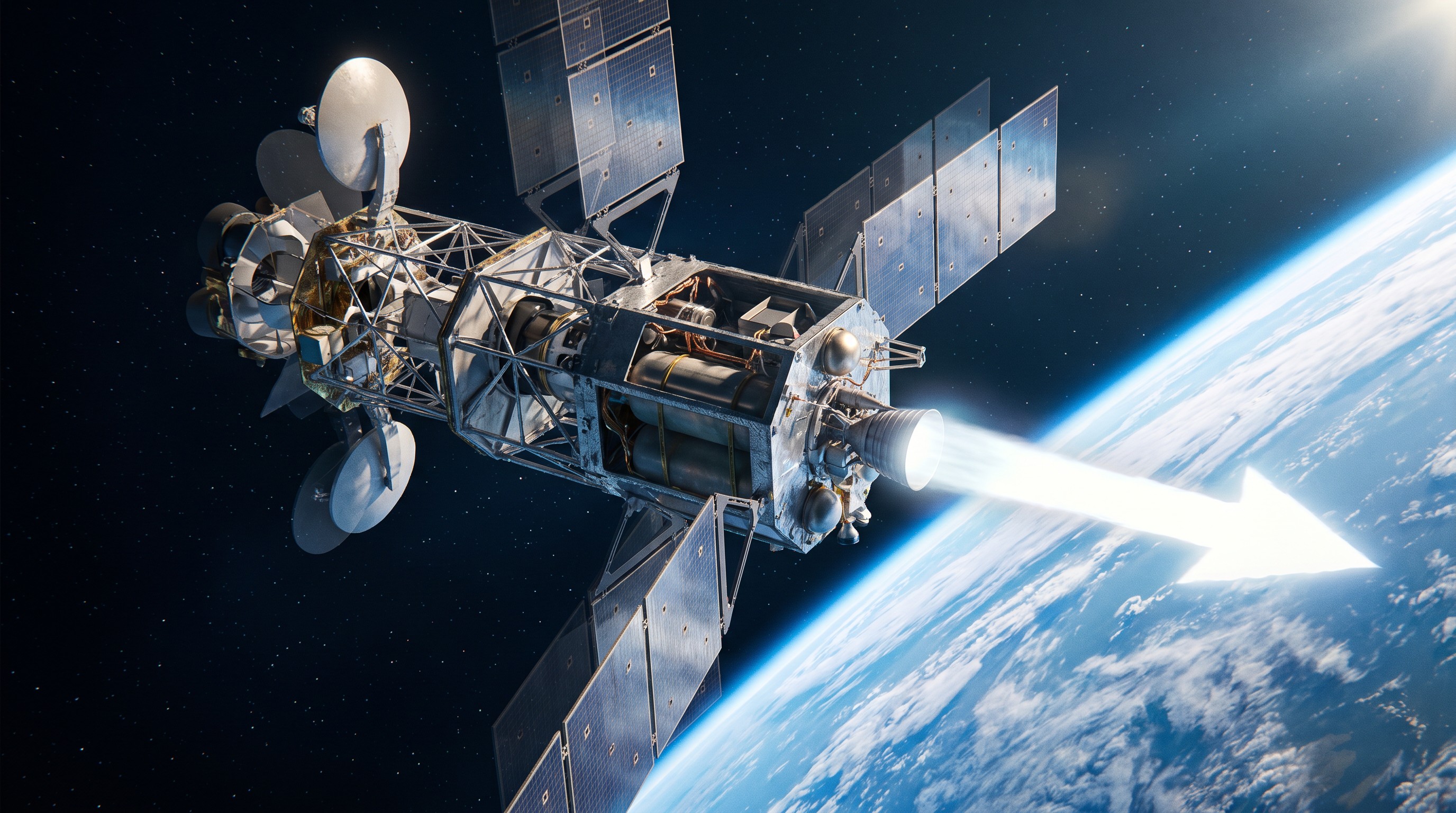
To stay in orbit, a satellite must travel sideways at about 17,500 miles per hour. This speed keeps it in a state of constant, perpetual freefall around our planet.
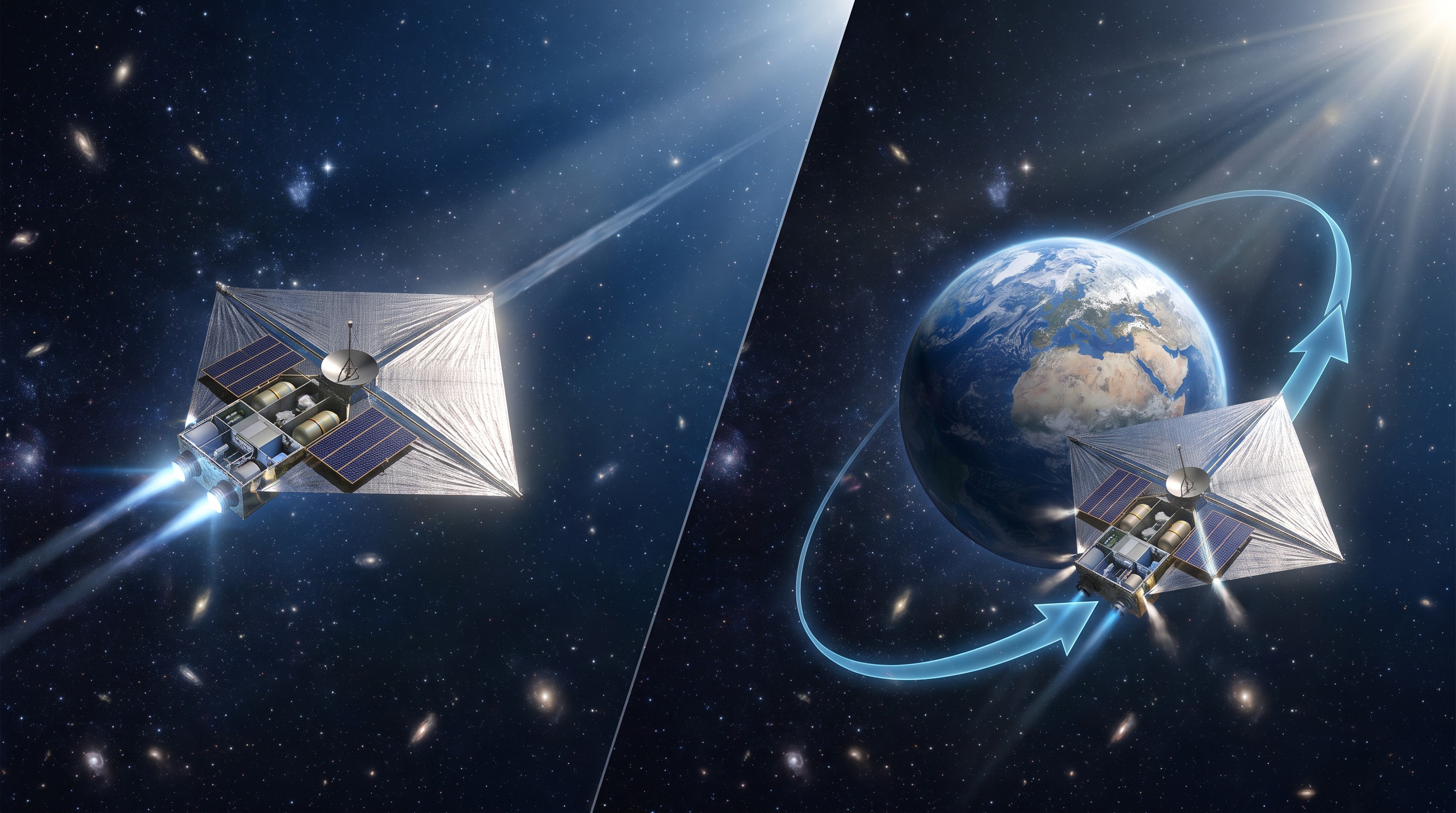
A common misconception is that space is gravity-free. In reality, gravity is exactly what pulls the satellite toward Earth, bending its path from a straight line into a circle.
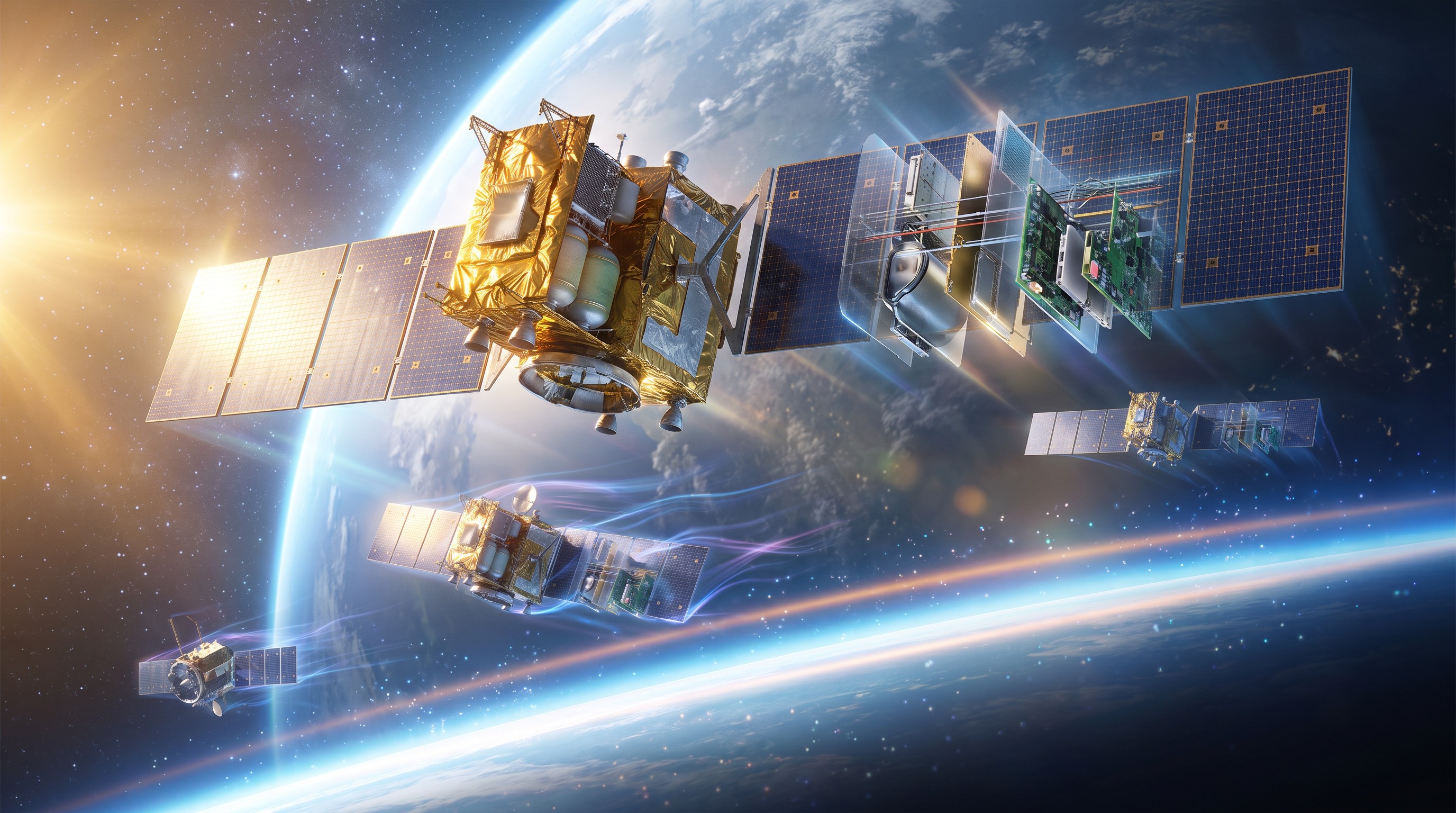
Rockets use combustion to gain the speed needed to fall around the planet. But if gravity is always pulling, why don't satellites eventually spiral down? That is the mystery of orbital decay.
Describe any idea in a sentence and Remee builds it for you — stories, games and quizzes on whatever you or your class are working on. Free to start, no card needed, and everything you make gets a link you can share anywhere.
Remee turns any idea into an illustrated story, a playable game, or an interactive quiz — at home or in the classroom.