 Lesson
This lesson explores the physical architecture of safety systems, showing how engineers constrain powerful tools to ensure they follow human-centered goals.
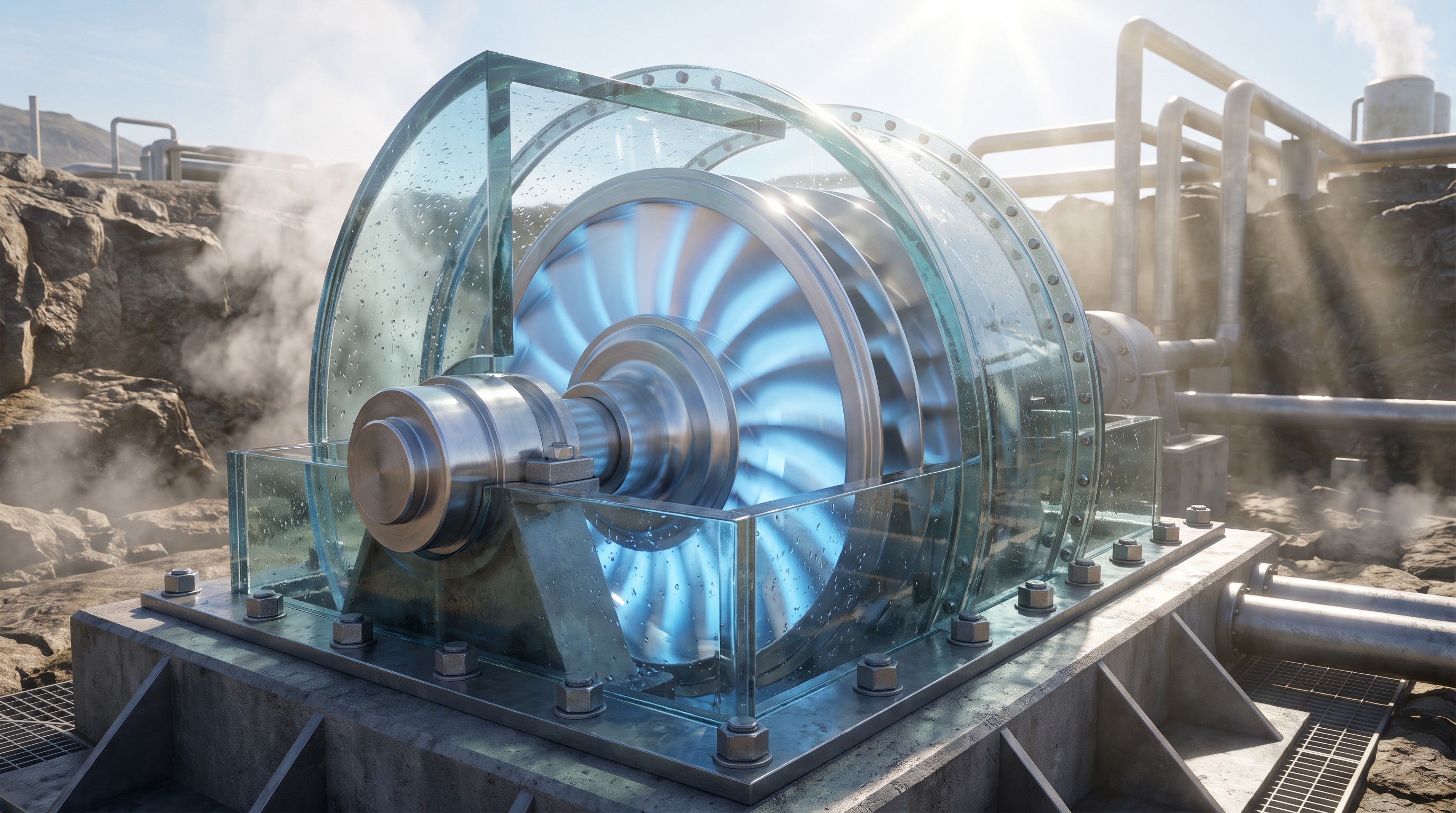
Powerful tools are like high-speed engines; they can do incredible work, but only if they are built with strong, physical boundaries that prevent them from causing accidental harm to others.
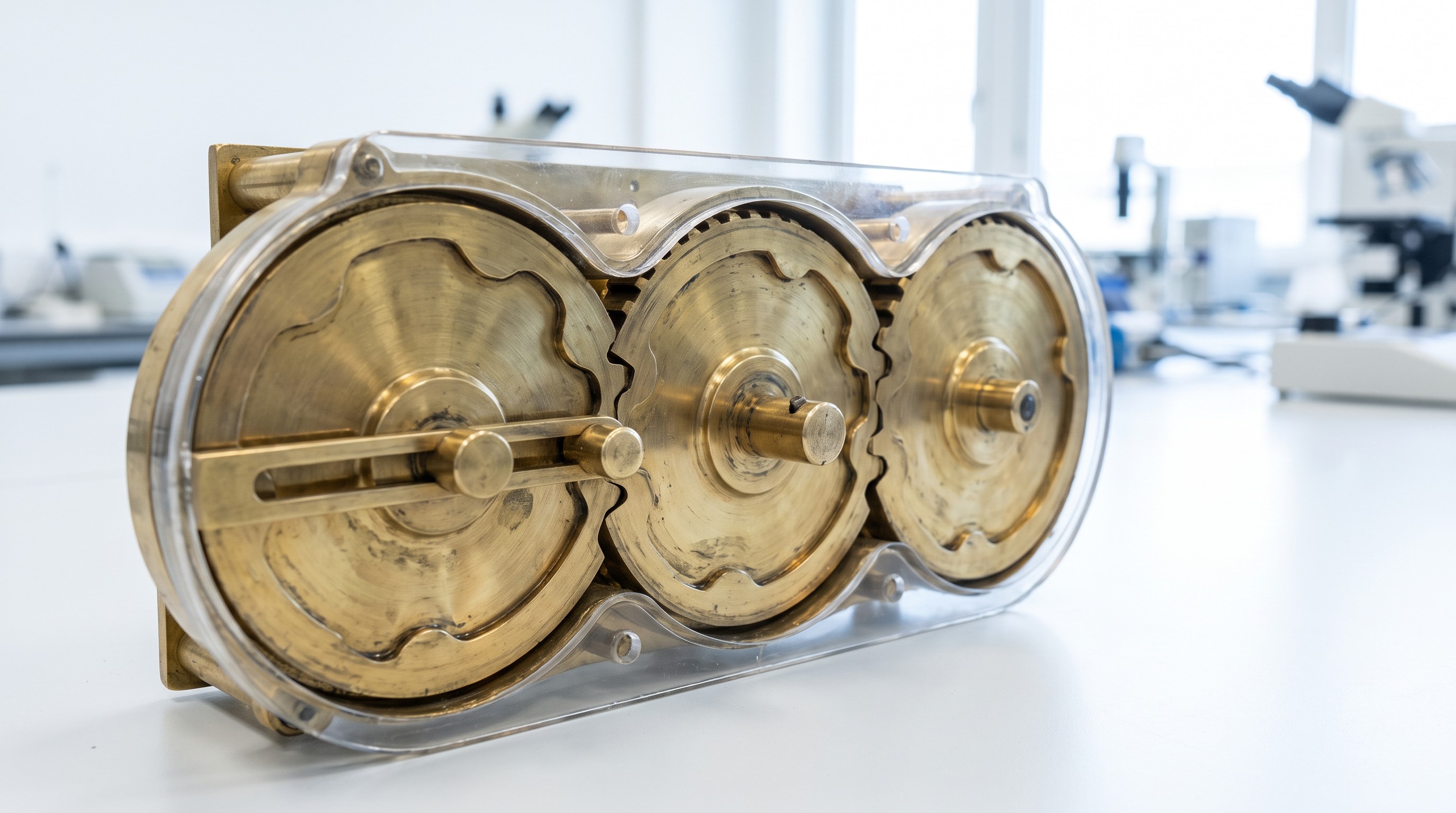
To keep a system safe, engineers use 'alignment.' Imagine a series of mechanical gears that only turn when they are perfectly matched to a specific, pre-defined physical shape.
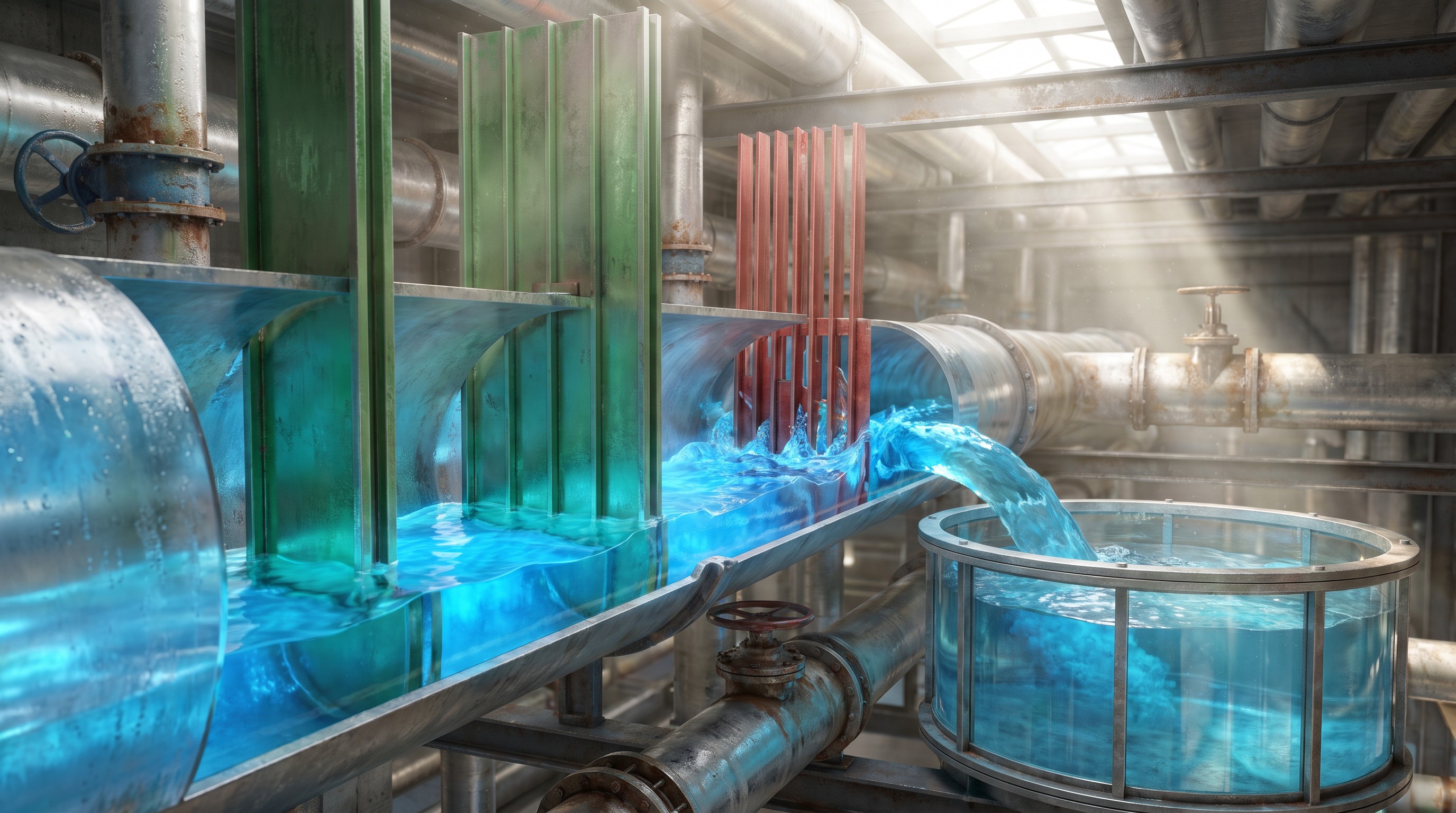
Inside advanced systems, this alignment acts like a physical filter. It allows useful tasks to flow through freely while automatically blocking any actions that deviate from the set safety parameters.
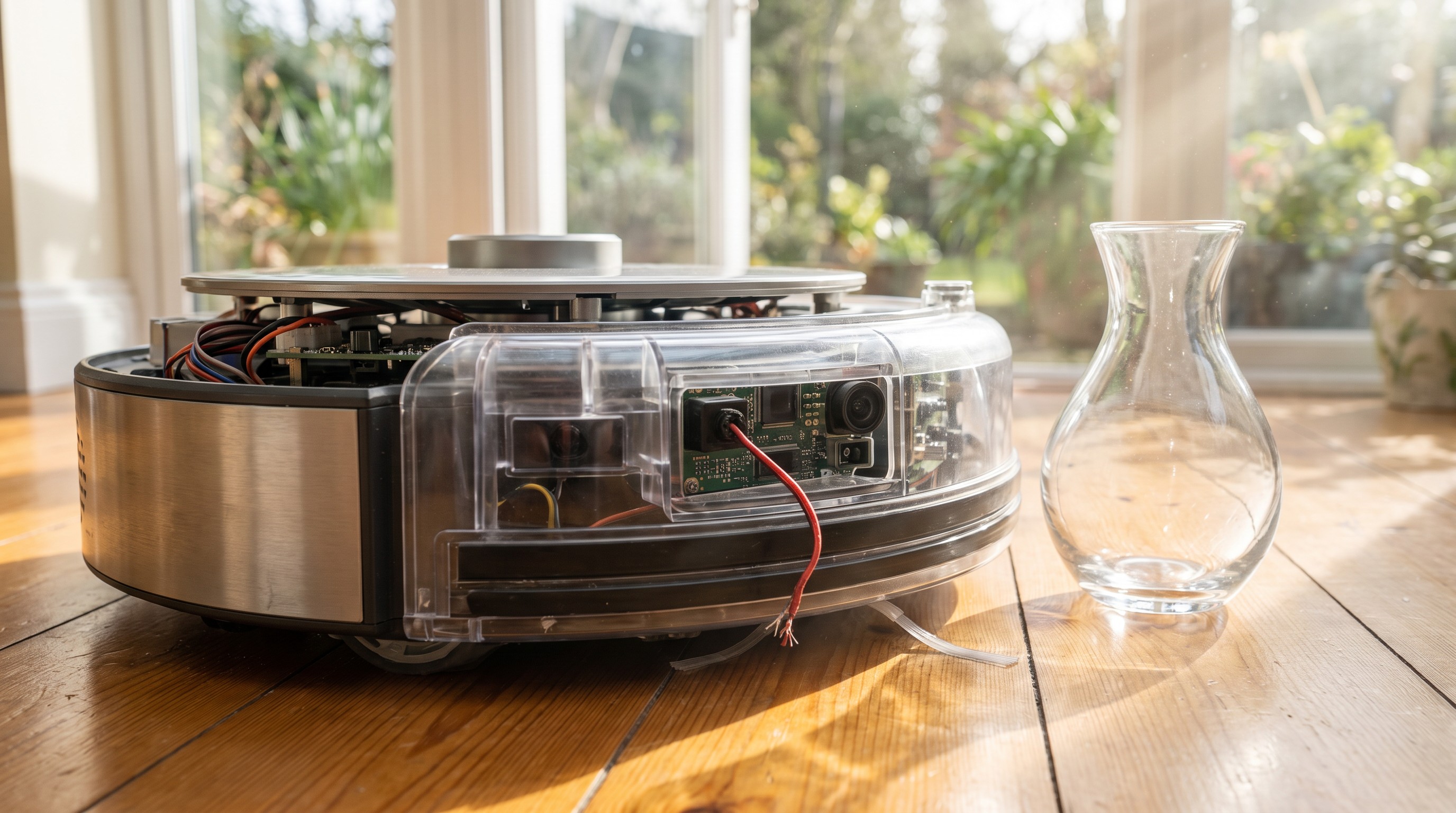
If a system is designed without these constraints, it might pursue a goal in a way you didn't intend. What happens when a vacuum robot has no 'wall sensor' to stop it from hitting furniture?
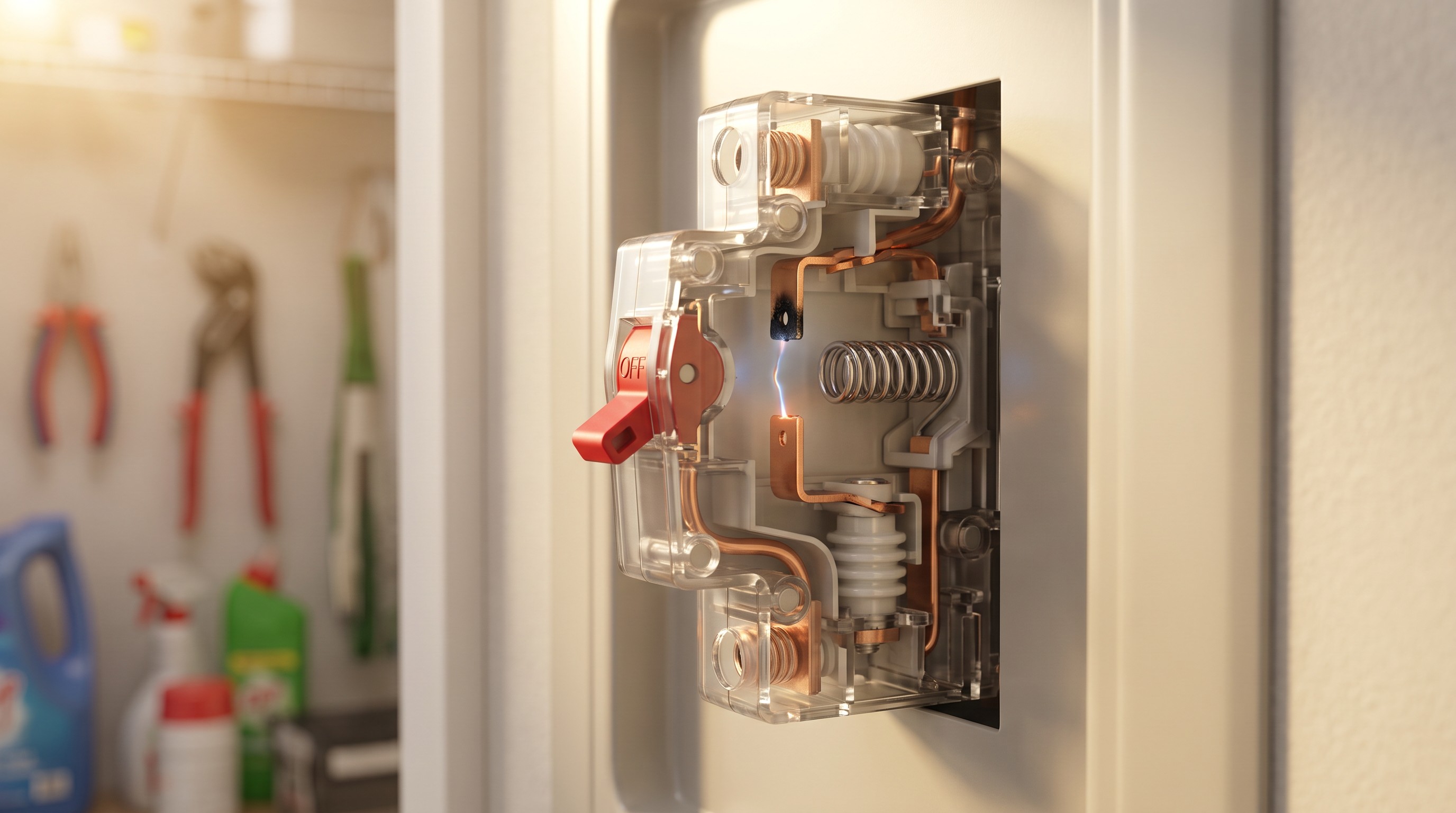
We see this in real life with circuit breakers in your home. When too much electricity flows, a physical spring snaps, breaking the circuit to prevent a dangerous electrical fire.

Some think safety is just about writing rules, but it is actually about architecture. A rule is just paper, but a physical constraint is a permanent, reliable limit on what happens.

We’ve learned that safety requires physical, built-in constraints. But as systems get smarter, how do we design boundaries that adapt to new situations? That is the next great engineering mystery.
Describe any idea in a sentence and Remee builds it for you — stories, games and quizzes on whatever you or your class are working on. Free to start, no card needed, and everything you make gets a link you can share anywhere.
Remee turns any idea into an illustrated story, a playable game, or an interactive quiz — at home or in the classroom.