 Lesson
This lesson explores the neurological transition from universal language potential to the solidification of phonetic patterns in the human brain.
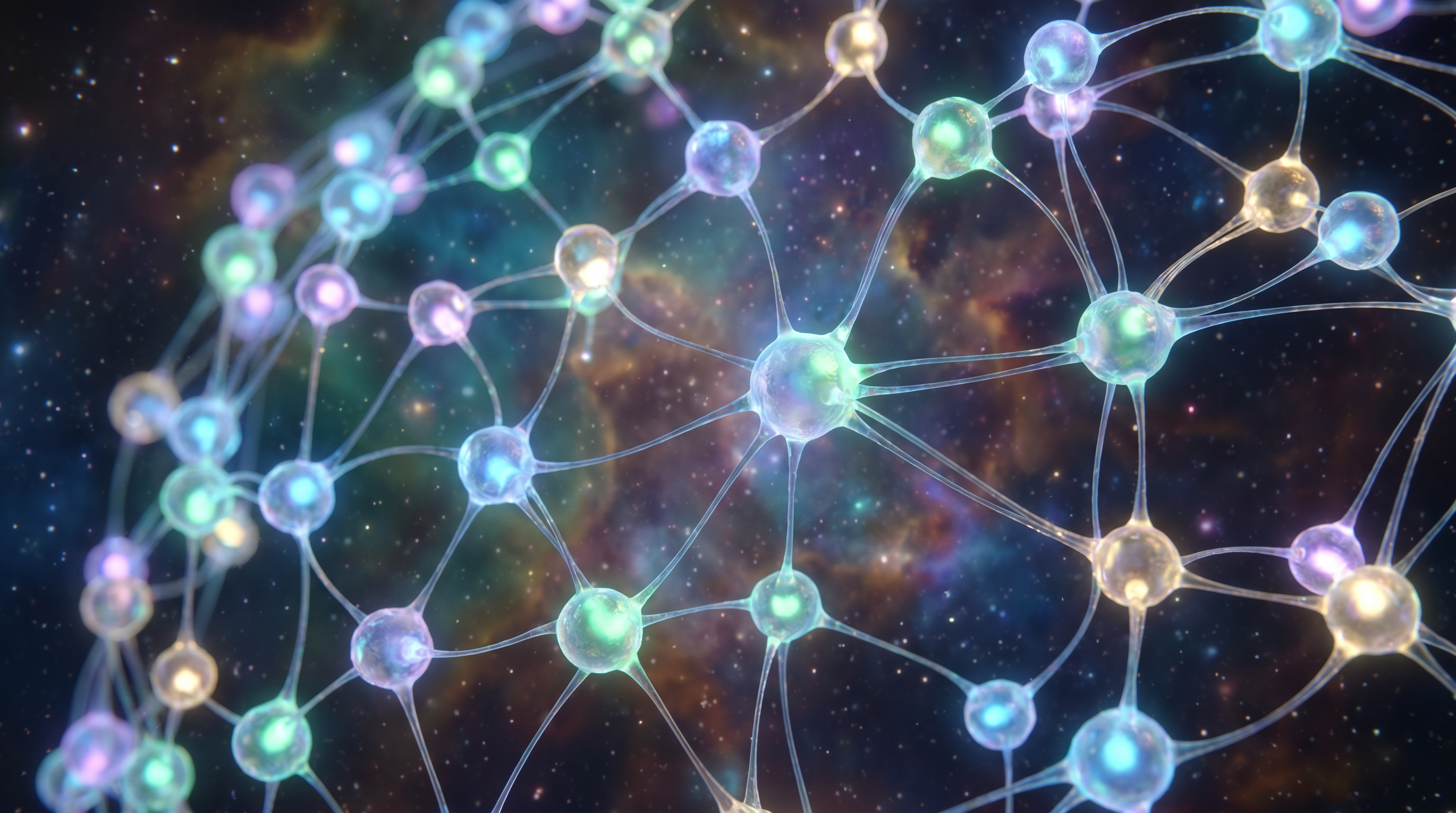
Did you know that every human is born with the biological hardware to master any language on Earth? Our brains begin as blank slates, ready to map any sound produced by humanity.
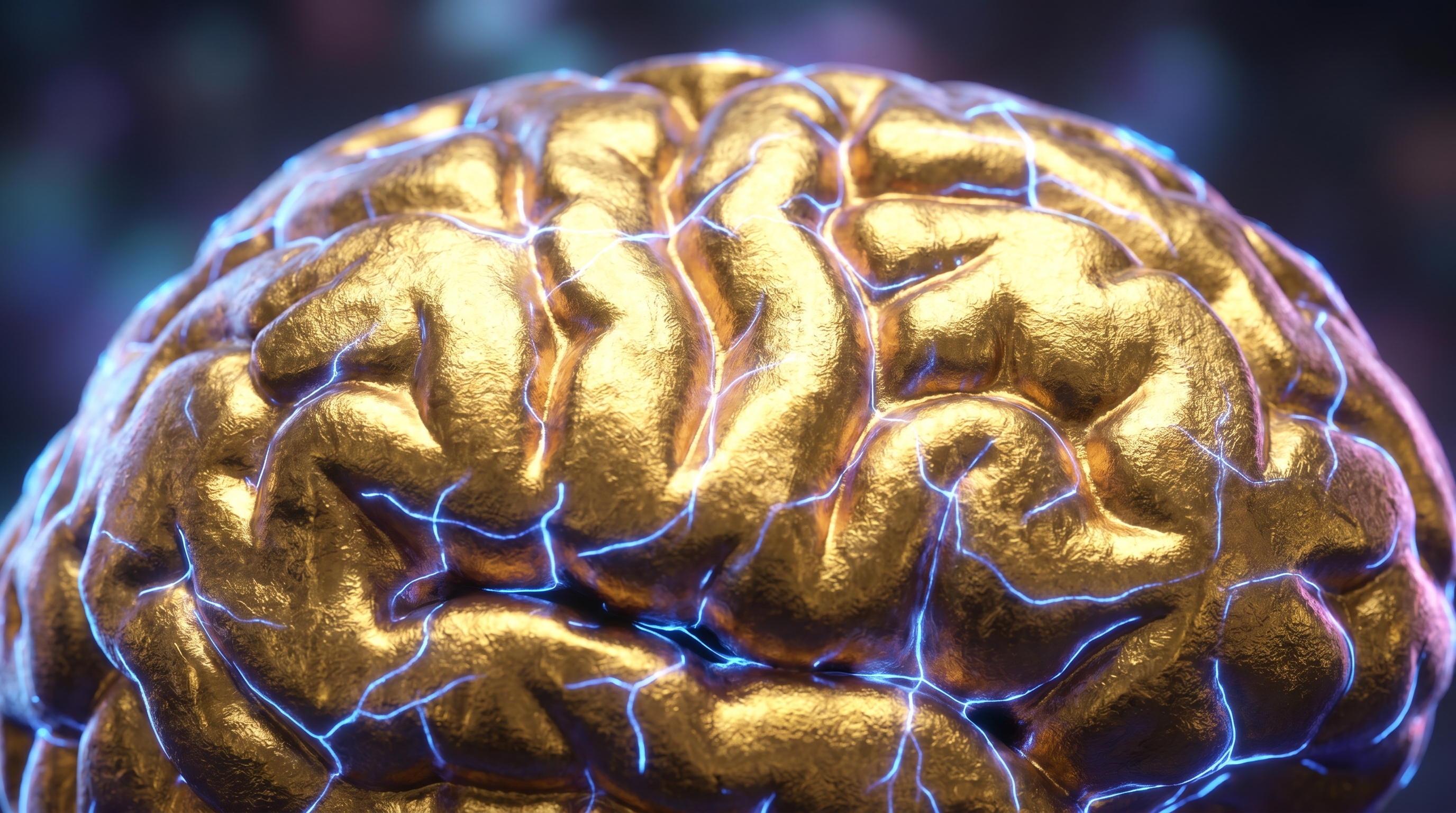
This is the 'Critical Period.' During these early years, your auditory cortex is incredibly plastic, meaning it physically reorganizes itself based on the specific sounds you hear most frequently.

As you listen, your brain builds a 'phonetic map.' It prioritizes the sounds of your environment and gradually prunes away the ability to distinguish sounds that are not present.

Think of a sound you find difficult to hear or mimic in a foreign language. Why does your brain struggle to distinguish it, even when you listen to it repeatedly?

By age seven, this mapping process largely stabilizes. Your brain has effectively 'locked' the phonetic categories of your native tongue, making new, conflicting sound patterns much harder to adopt.

A common misconception is that adults simply lack the discipline to learn. In reality, it is a biological shift; the brain prioritizes efficiency over the flexibility of early childhood.

You have learned how early exposure shapes your internal linguistic map. But if the window closes for native fluency, can we ever truly 're-open' it through intensive neural training? That remains a mystery.
Describe any idea in a sentence and Remee builds it for you — stories, games and quizzes on whatever you or your class are working on. Free to start, no card needed, and everything you make gets a link you can share anywhere.
Remee turns any idea into an illustrated story, a playable game, or an interactive quiz — at home or in the classroom.