 Lesson
This lesson explores the four major categories of material science and encourages students to observe the properties of the objects in their daily lives.

Have you ever wondered why your smartphone is hard, your sneakers are flexible, and your water bottle is clear? It all comes down to the fascinating field of material science!
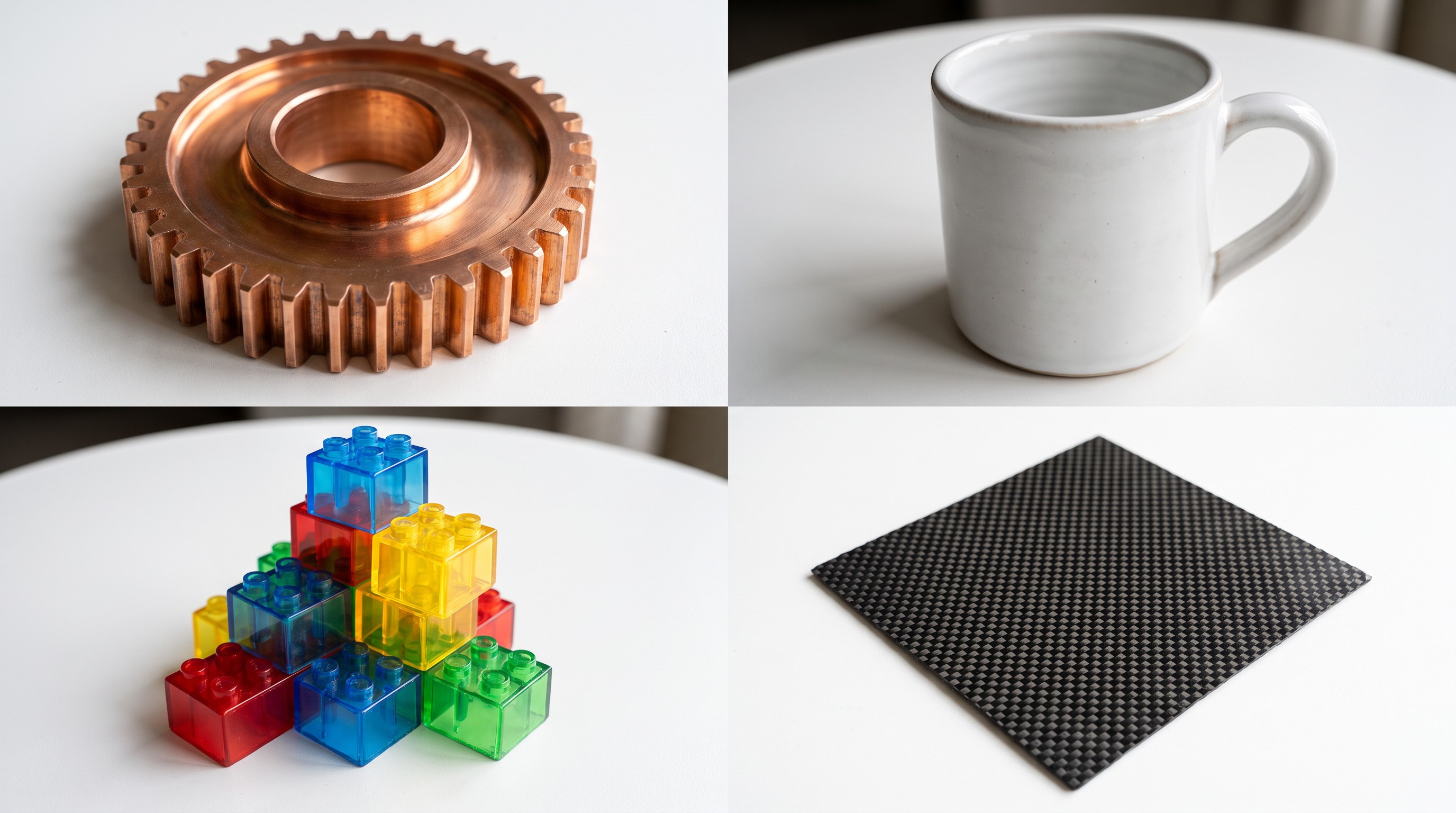
Scientists group materials into four big categories: metals, ceramics, polymers, and composites. Each group has unique atomic structures that give them their special strength, flexibility, or heat resistance.
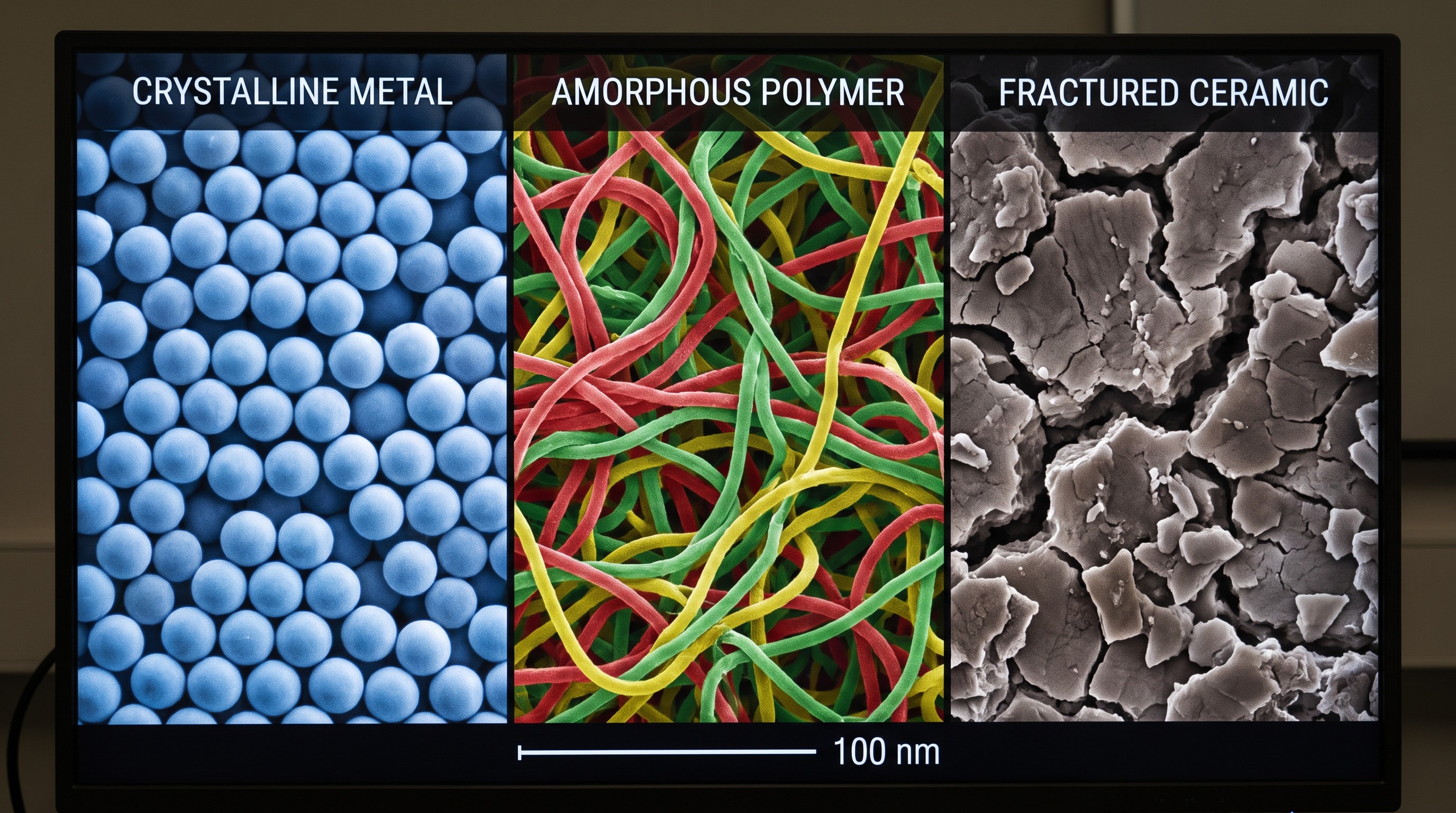
Metals are defined by their ability to conduct electricity and heat. Ceramics are typically hard but brittle, while polymers—or plastics—are long, repeating molecular chains that can be molded easily.

Look around your room right now. Can you find a composite material? These are mixtures of two or more materials. Why do you think engineers combine different things to make one?

Material scientists use these categories to design everything from safer airplanes to medical implants. By understanding how atoms bond, they can create materials that solve real-world problems.

A common mistake is thinking that all plastics are the same. In reality, there are thousands of types, each with different melting points and strengths, designed for very specific jobs.

You have explored the four pillars of materials. But here is a mystery: can we create materials that 'heal' themselves like skin when they get a scratch? That's the future!
Describe any idea in a sentence and Remee builds it for you — stories, games and quizzes on whatever you or your class are working on. Free to start, no card needed, and everything you make gets a link you can share anywhere.
Remee turns any idea into an illustrated story, a playable game, or an interactive quiz — at home or in the classroom.