 Lesson
This lesson unveils the scientific wonders of sex determination, moving beyond simple genetics to explore environmental influences and diverse biological systems that shape an animal's identity and roles in nature.
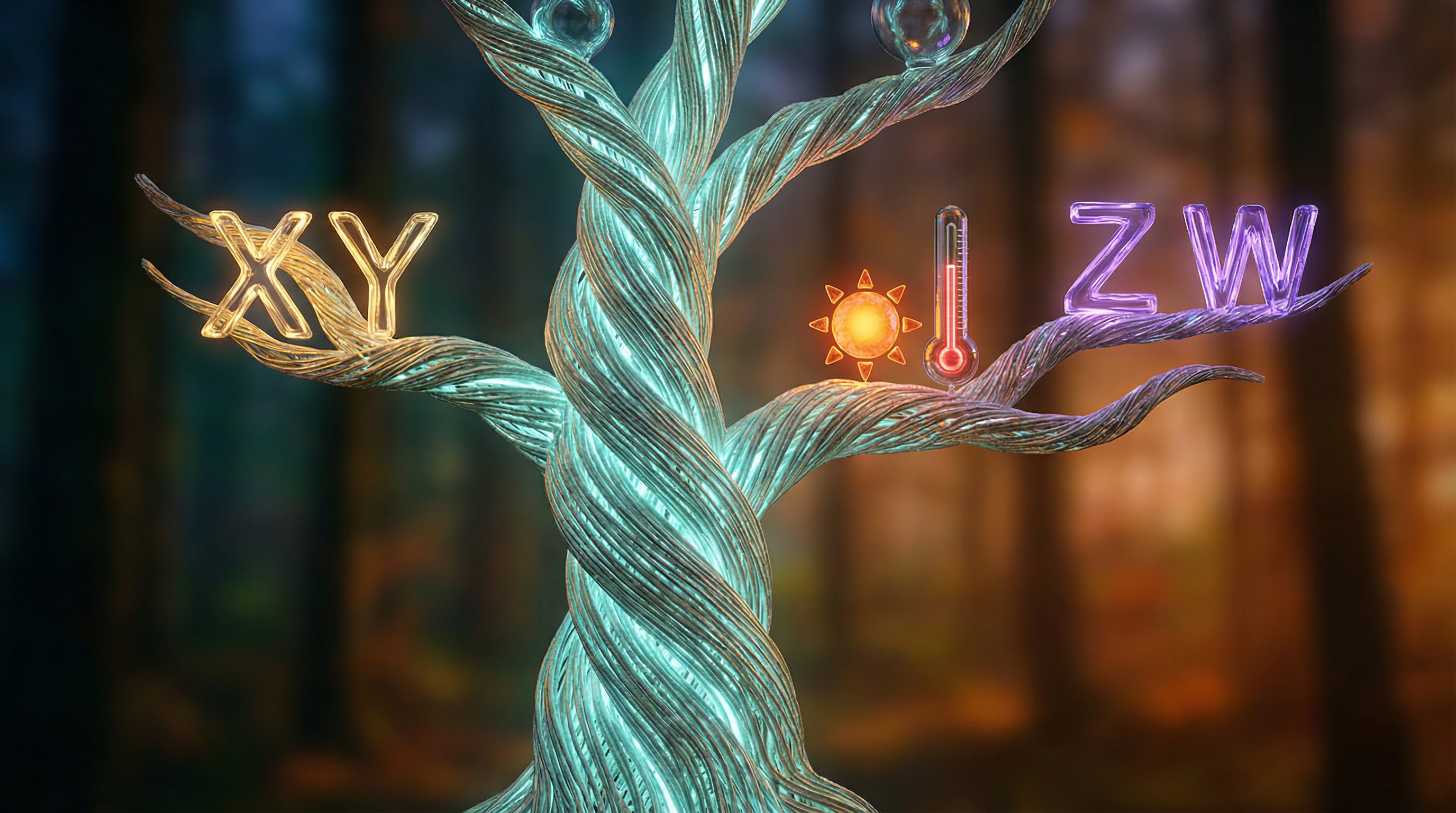
Have you ever wondered how animals get their unique traits, including whether they're male or female? It's more diverse than you might think! Let's explore nature's fascinating ways.

For many species, like us, sex is determined by chromosomes. Often, two X chromosomes mean female, while an X and a Y chromosome mean male. It's a genetic blueprint!
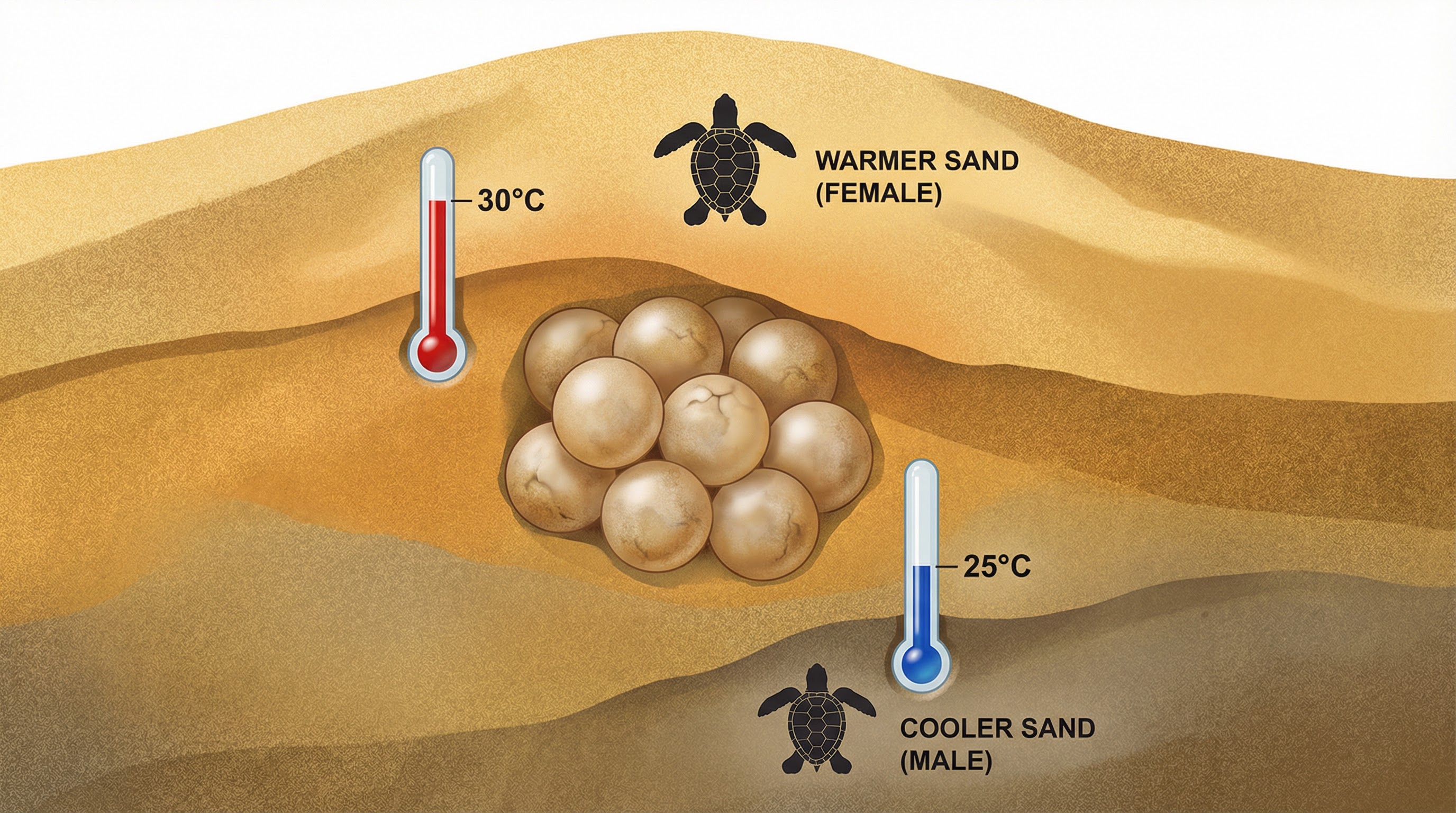
But genes aren't the only factor! For some animals, like many reptiles, the temperature of their eggs during development decides their sex. Warm nests might mean more females, for example.
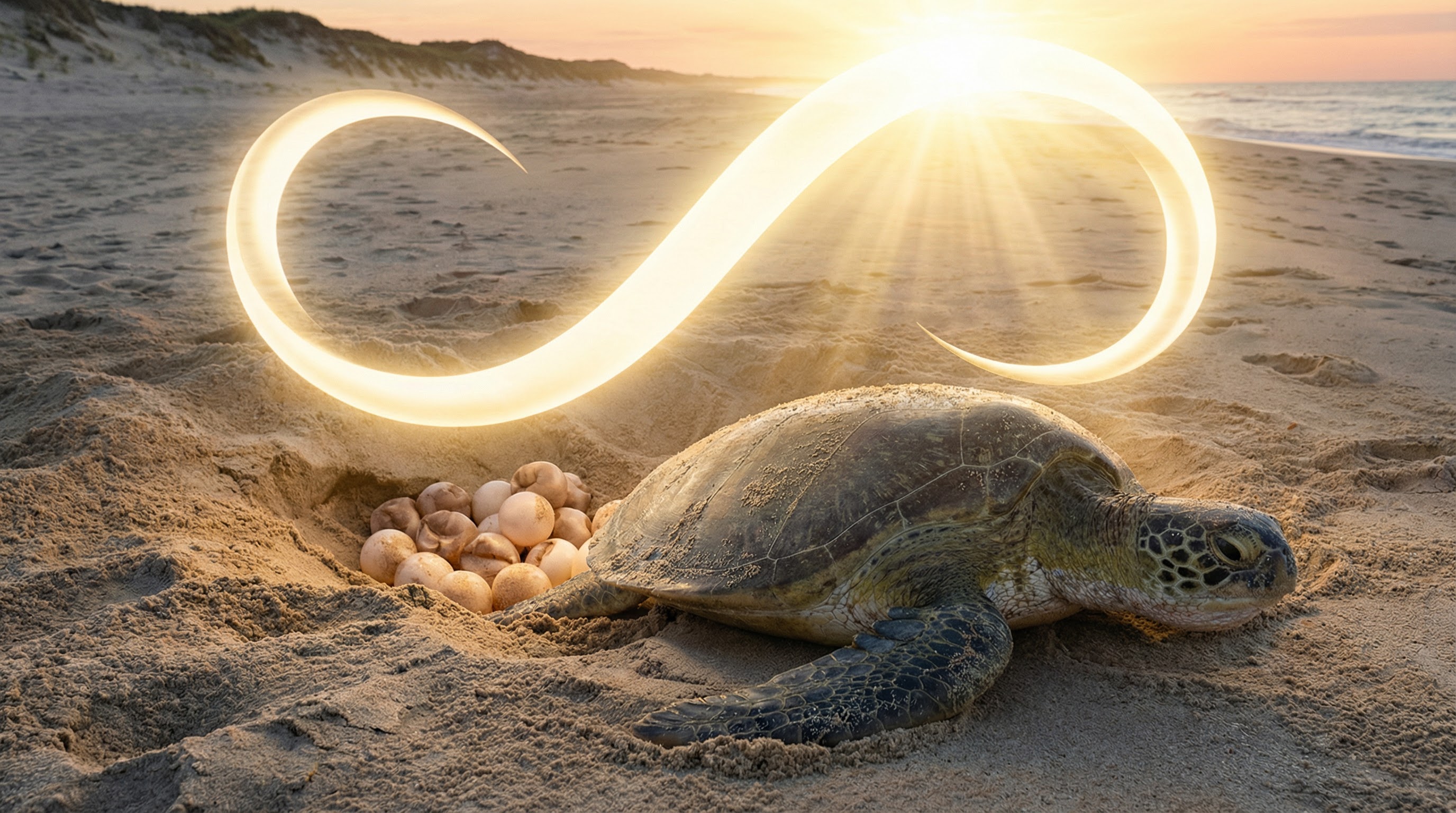
Imagine a sea turtle mother carefully burying her eggs. If her nesting beach suddenly becomes much hotter due to climate change, what might be the long-term impact on her species?
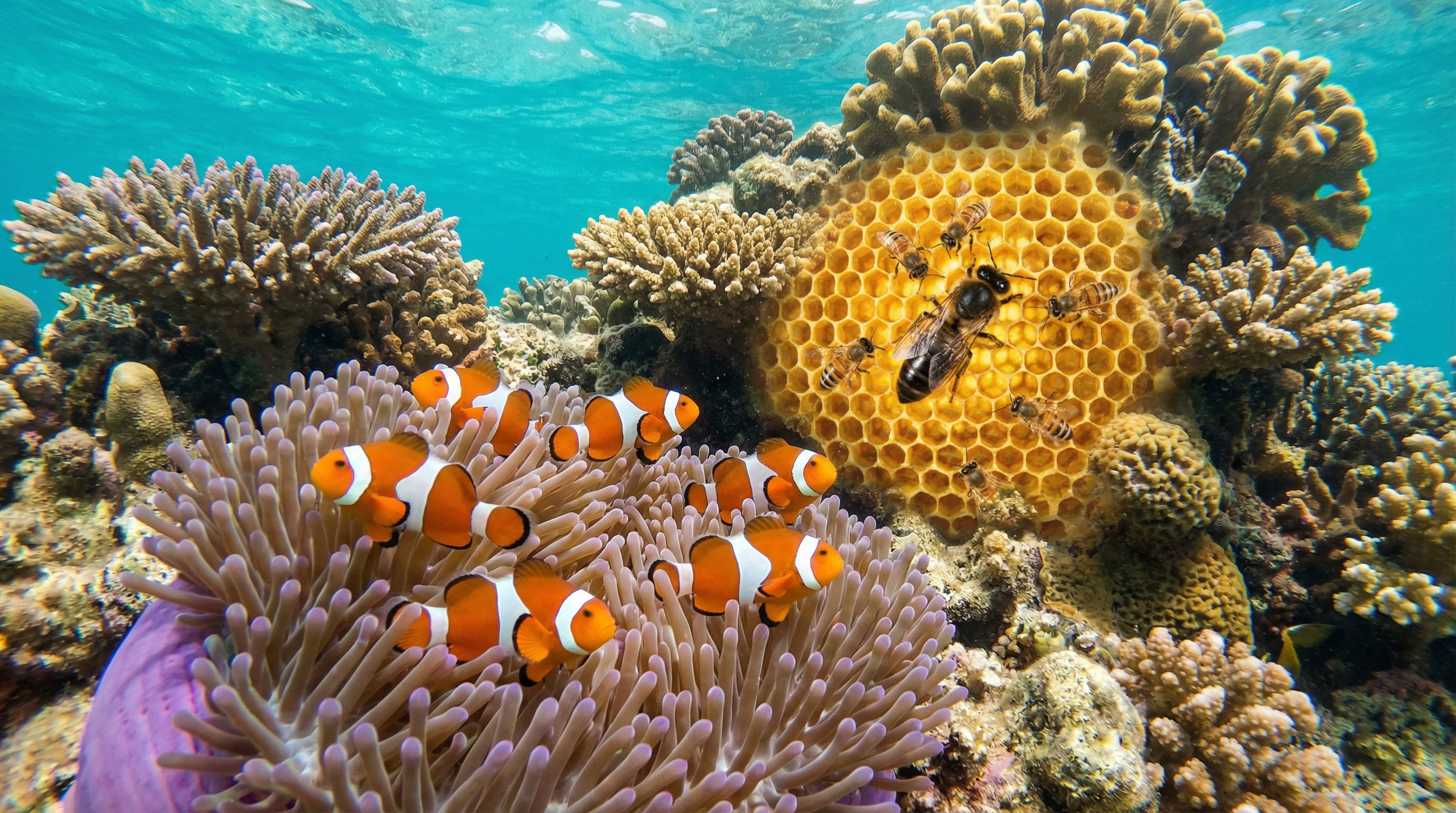
Nature's creativity doesn't stop there! Clownfish can change sex during their lives, and bee colonies have queens and workers whose roles are determined by diet, not just genes.
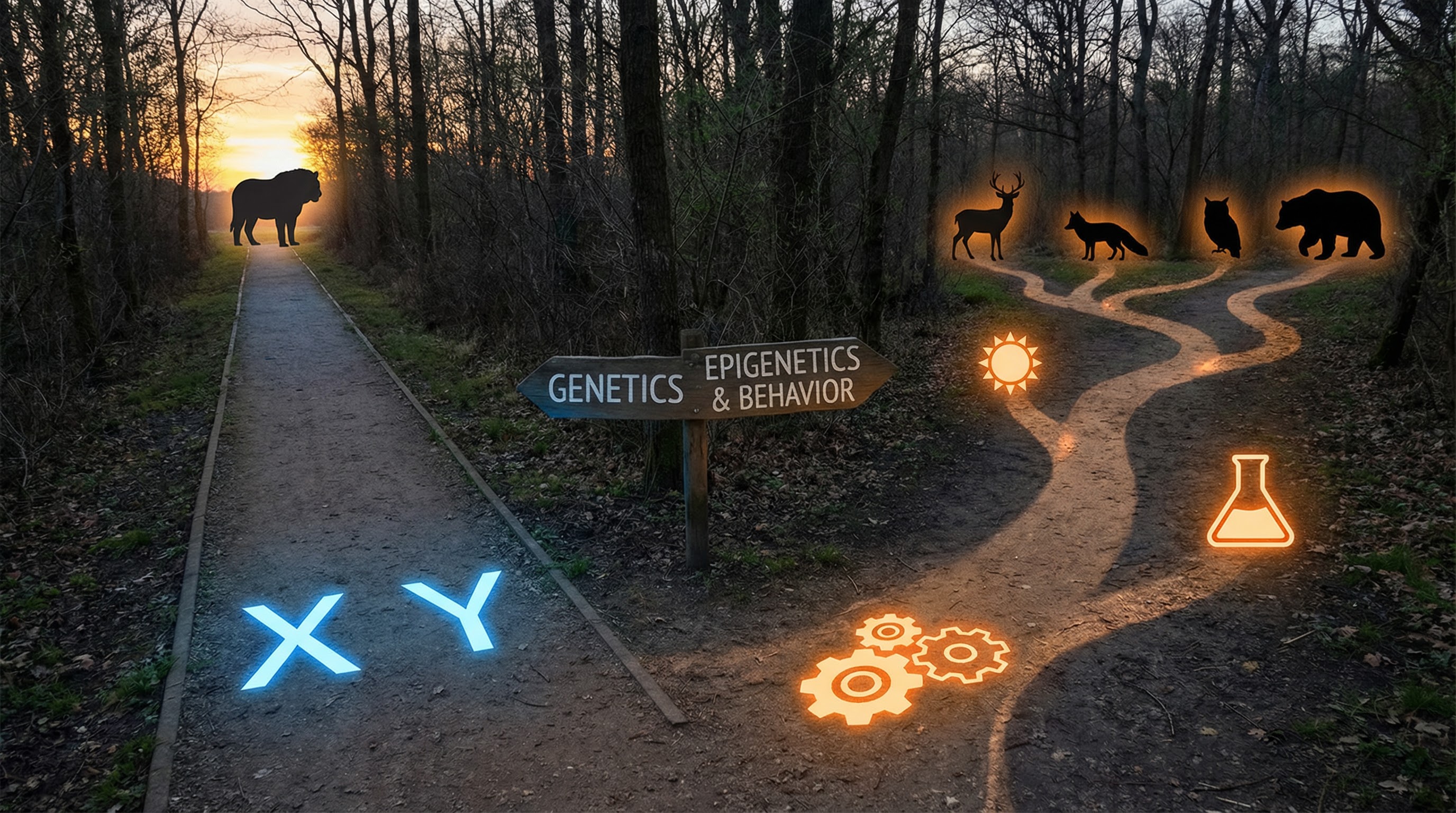
Many believe sex is always fixed by chromosomes at conception. But as we've seen, it's far more diverse! Environmental cues or even social structures can play a powerful role.
From genes to environment, sex determination is a complex dance. Understanding these diverse strategies helps us appreciate life's adaptability. But how do these systems evolve?
Describe any idea in a sentence and Remee builds it for you — stories, games and quizzes on whatever you or your class are working on. Free to start, no card needed, and everything you make gets a link you can share anywhere.
Remee turns any idea into an illustrated story, a playable game, or an interactive quiz — at home or in the classroom.