 Lesson
This lesson explores how AI systems function like teams of specialists, moving from a single large model to a collaborative network of expert modules.

Have you ever wondered how a computer answers a complex question in just a split second? It doesn't just guess; it uses a brilliant, organized system to find the best answer.
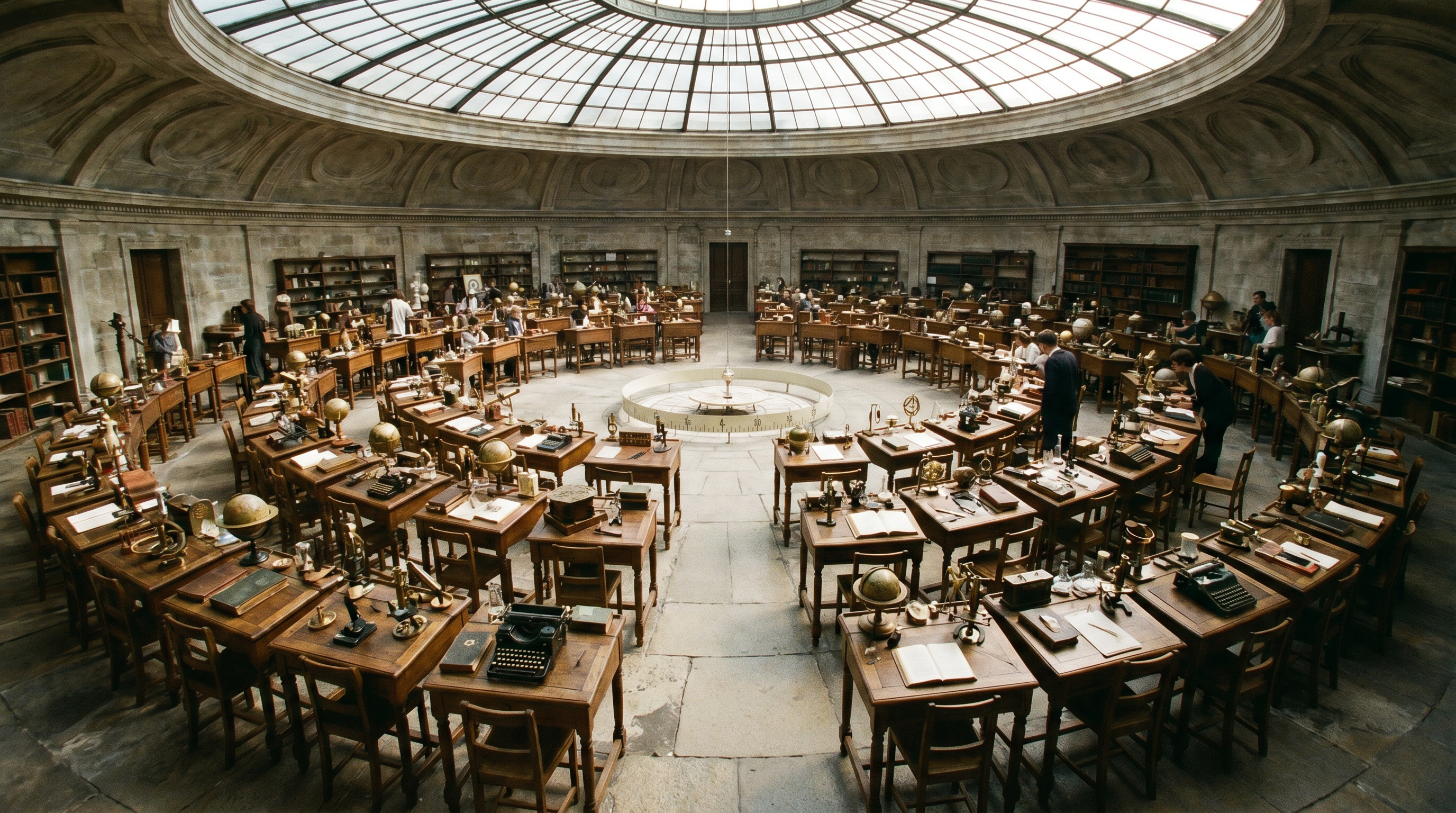
Instead of one giant, slow brain, modern systems use a 'Mixture of Experts.' Imagine a library where instead of one librarian, there is a whole team of dedicated specialists.
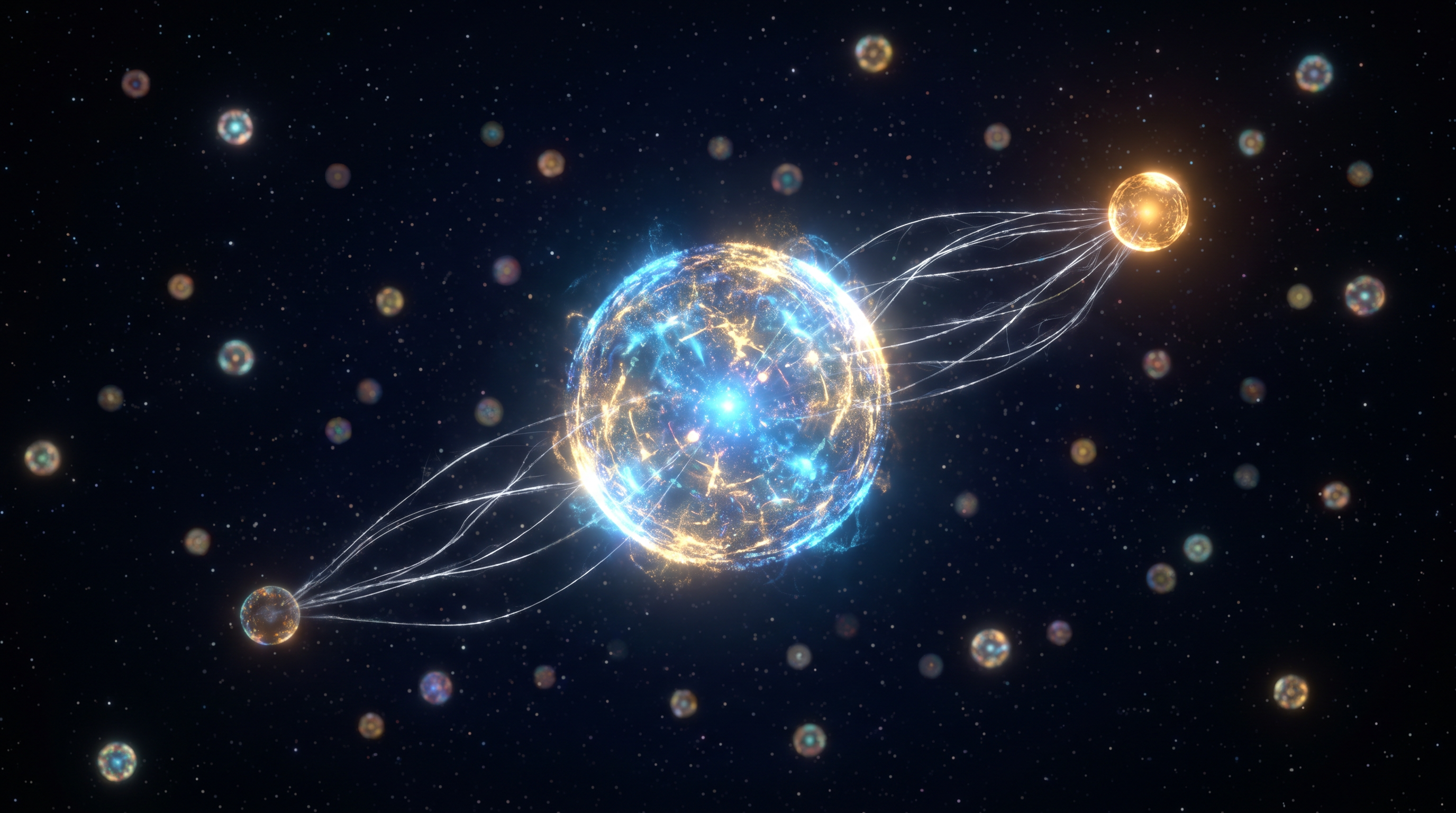
When you ask a question, the system acts like a fast-moving router. It instantly identifies what kind of information you need and signals the right specialist to help out.
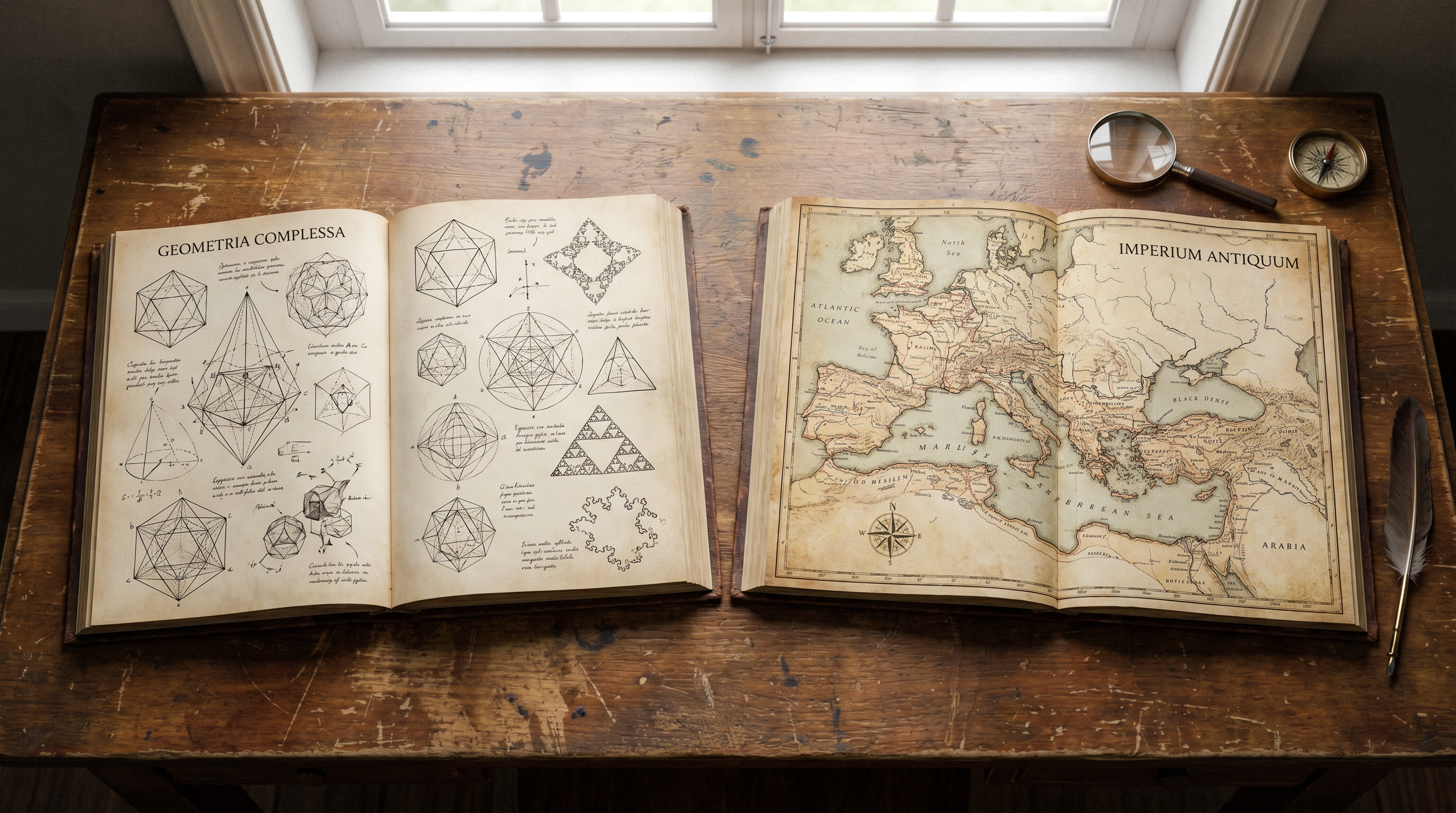
Think about how you study for subjects. If you have a math test, do you read your history book, or do you grab your geometry notes? How do you pick your resources?
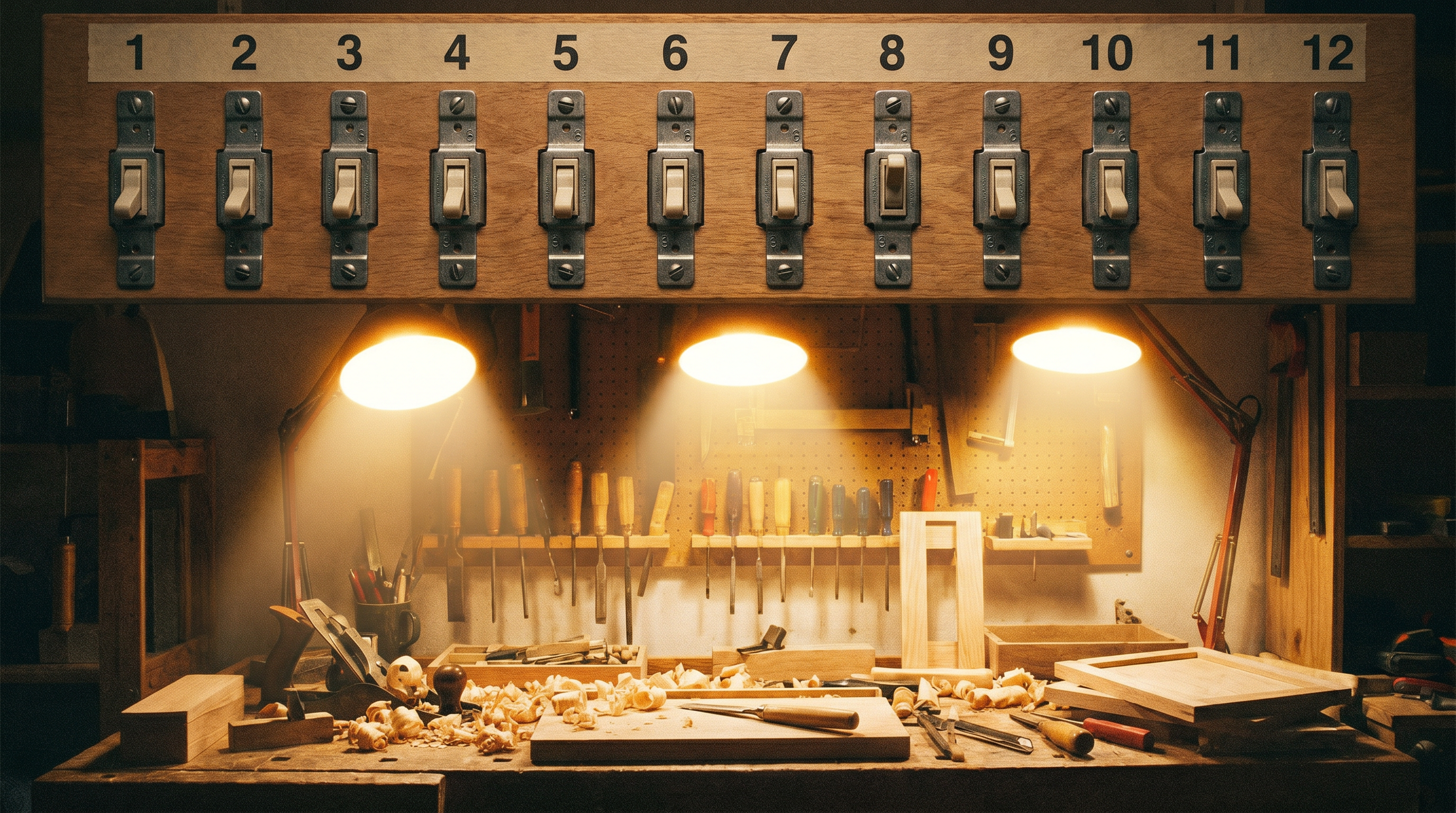
This architecture is very efficient. By only waking up the specialists needed for your specific query, the system saves energy and provides answers much faster than a single model.

A common mistake is thinking the system is just 'guessing.' In reality, it is using precise, pre-trained pathways to ensure the most accurate information is delivered every time.
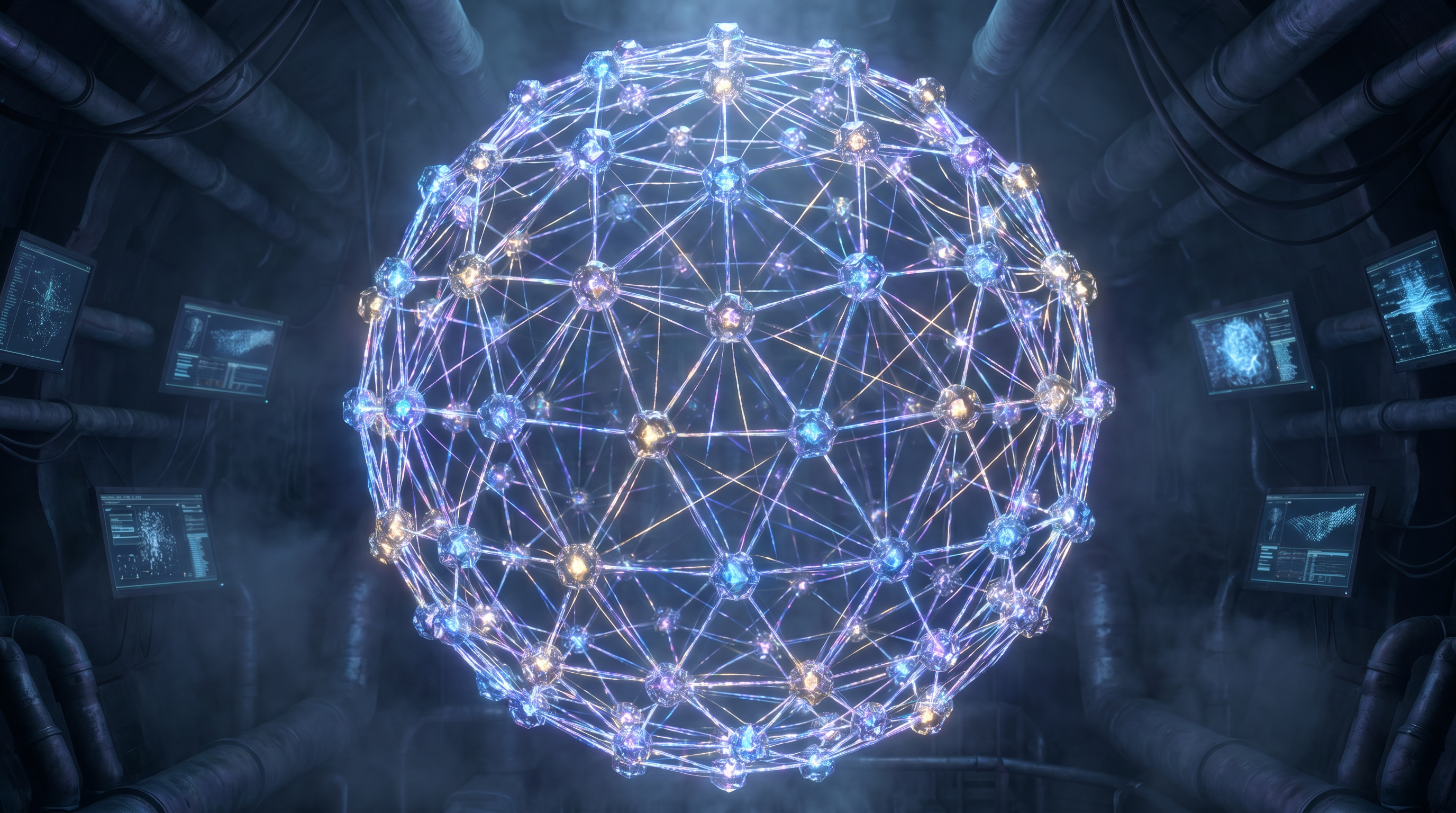
You have learned how AI picks specialists to stay fast and smart. But here is a mystery: how do these experts learn to coordinate without a human boss? That is the next big puzzle.
Describe any idea in a sentence and Remee builds it for you — stories, games and quizzes on whatever you or your class are working on. Free to start, no card needed, and everything you make gets a link you can share anywhere.
Remee turns any idea into an illustrated story, a playable game, or an interactive quiz — at home or in the classroom.