 Lesson
This lesson explores the biological basis of human instinct, how the brain regulates these impulses, and why self-control is a skill we can intentionally sharpen.
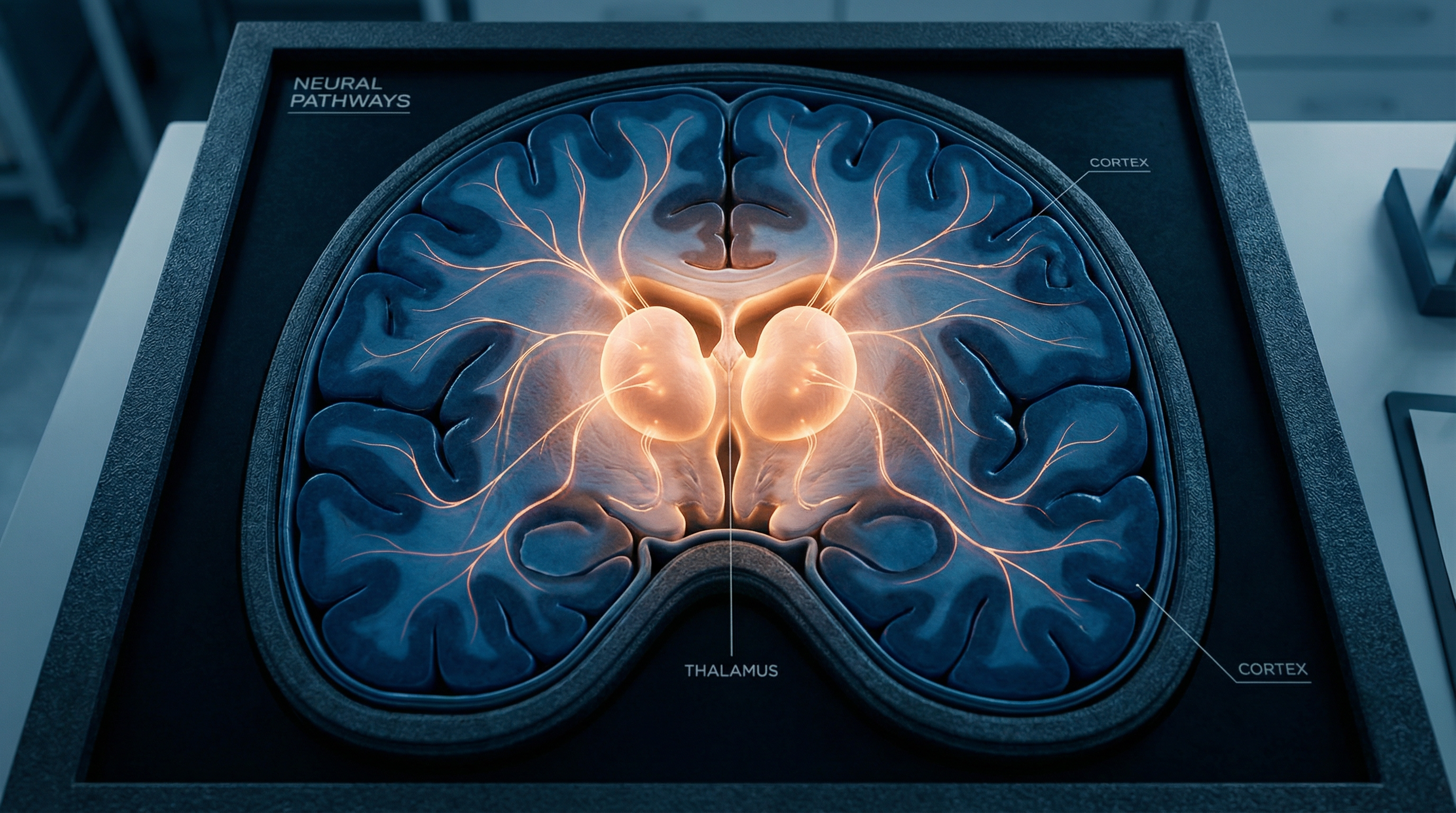
Have you ever felt a sudden urge to react before thinking? Those impulses are part of our biological heritage, rooted in the ancient parts of the human brain designed for survival.
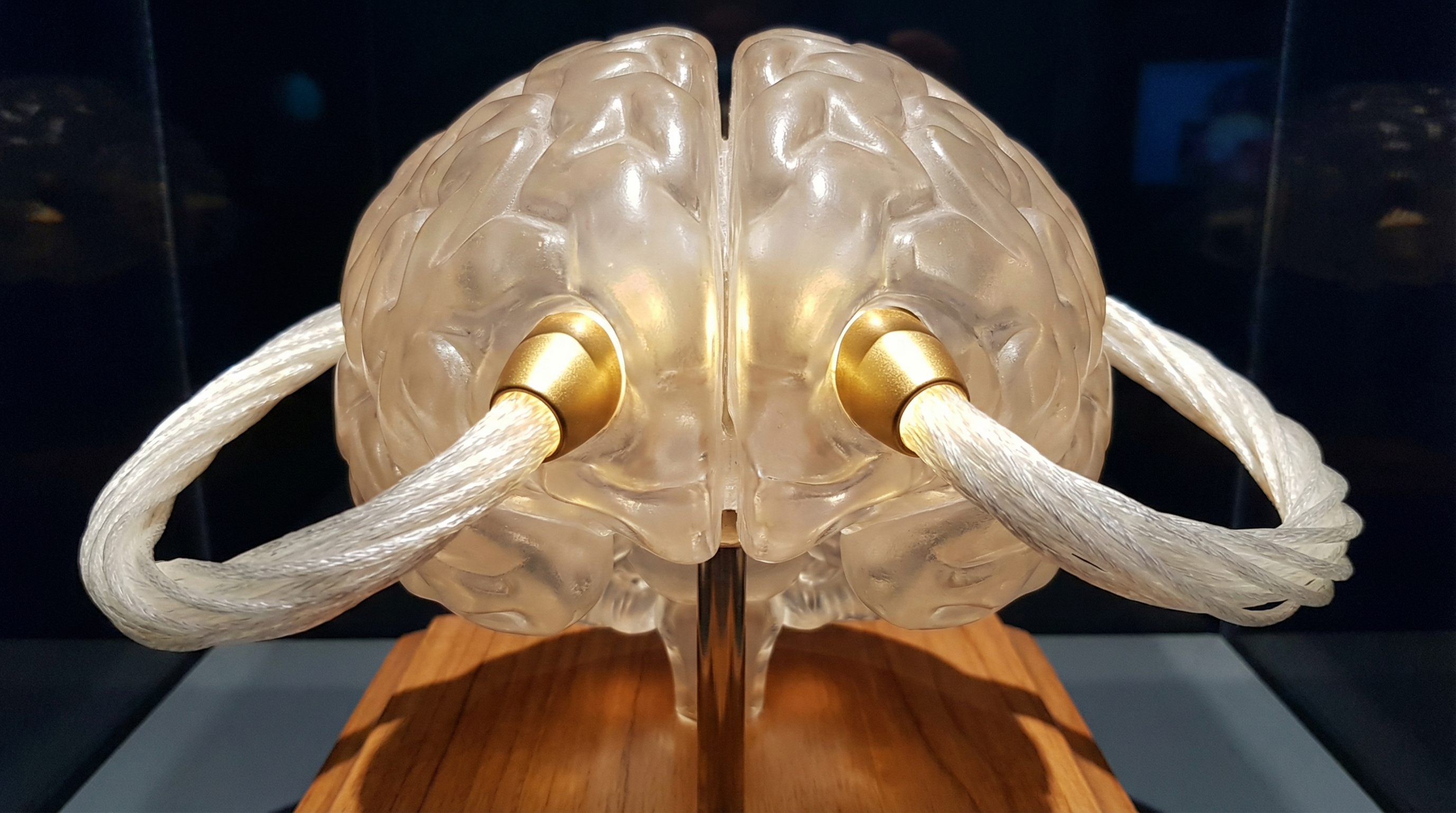
The amygdala acts as a rapid-response system, triggering fight-or-flight instincts. It prioritizes speed over logic, helping us react quickly to danger without needing to pause and analyze the situation.
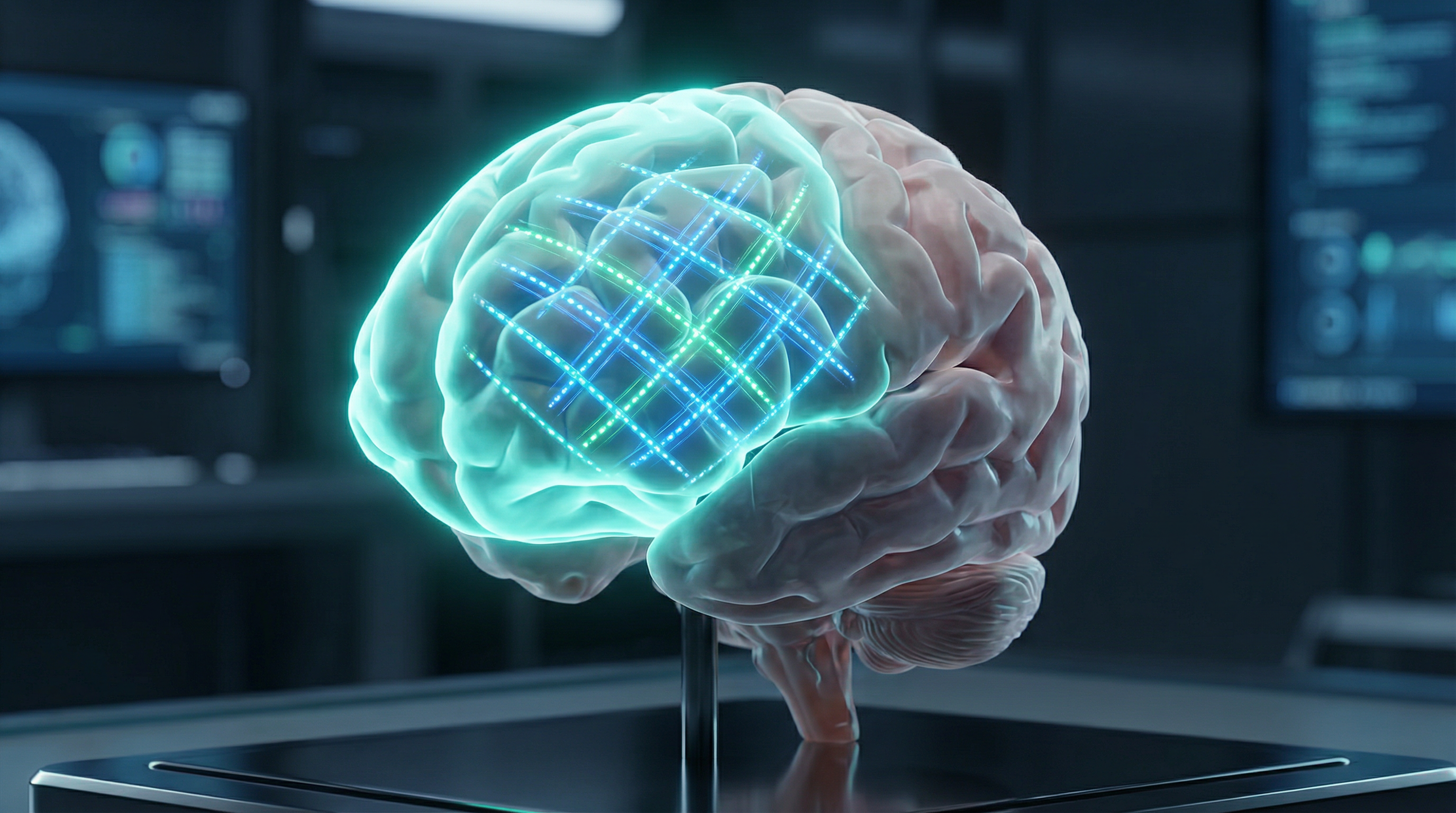
The prefrontal cortex is the brain's executive center. It acts as a filter, processing information from the amygdala and allowing us to choose a response rather than just reacting impulsively.
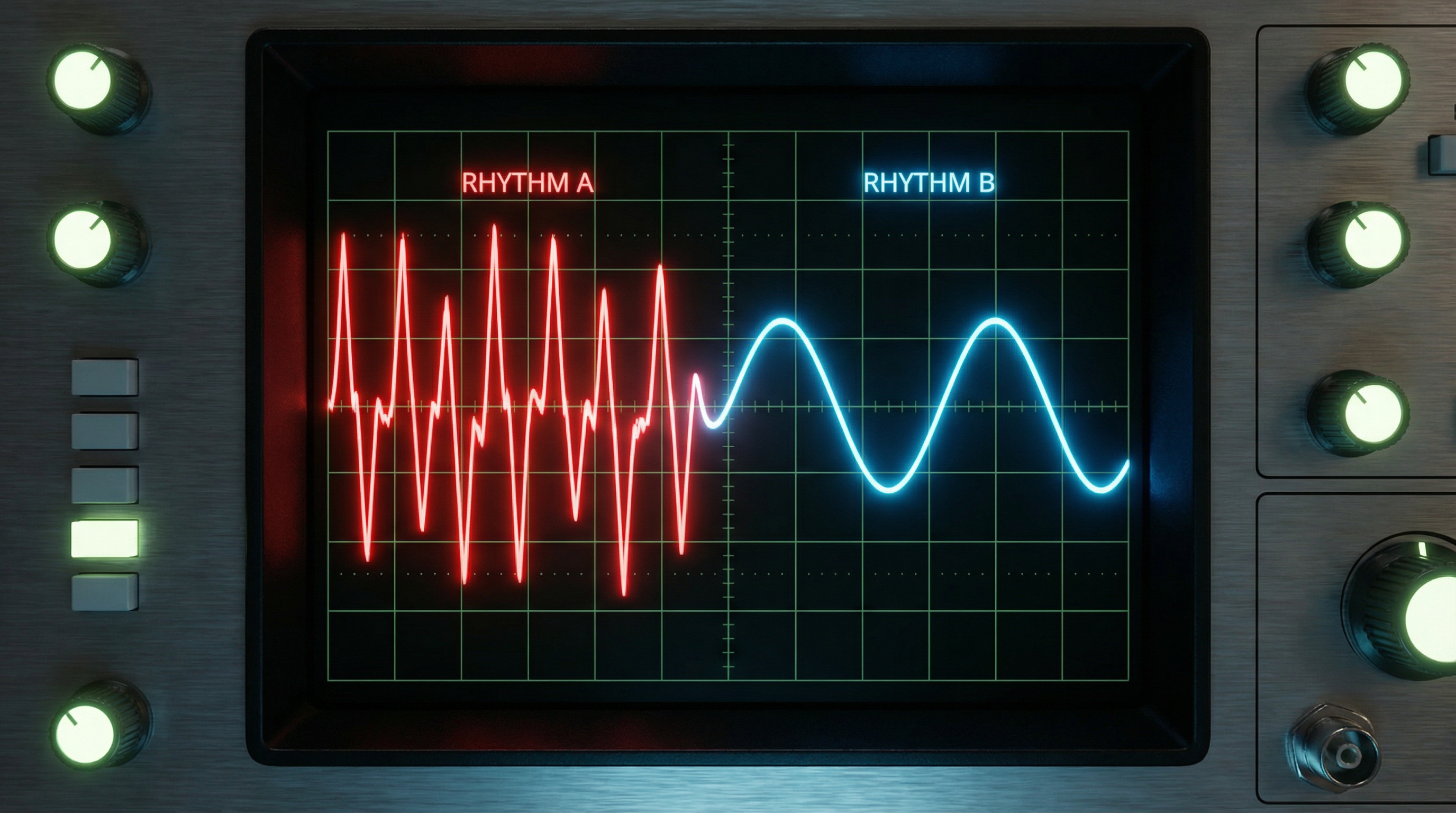
Next time you feel frustrated, try to notice the physical sensation before you act. Can you identify the exact moment your heart rate rises, and how does pausing change your reaction?

Real-world regulation often involves 'cognitive reappraisal.' By viewing a stressful situation from a different perspective, you physically change how your brain processes that emotional input, lowering your stress response.

A common misconception is that 'controlling' instincts means suppressing them entirely. Actually, healthy regulation is about channeling those powerful energies into productive actions rather than trying to delete them forever.
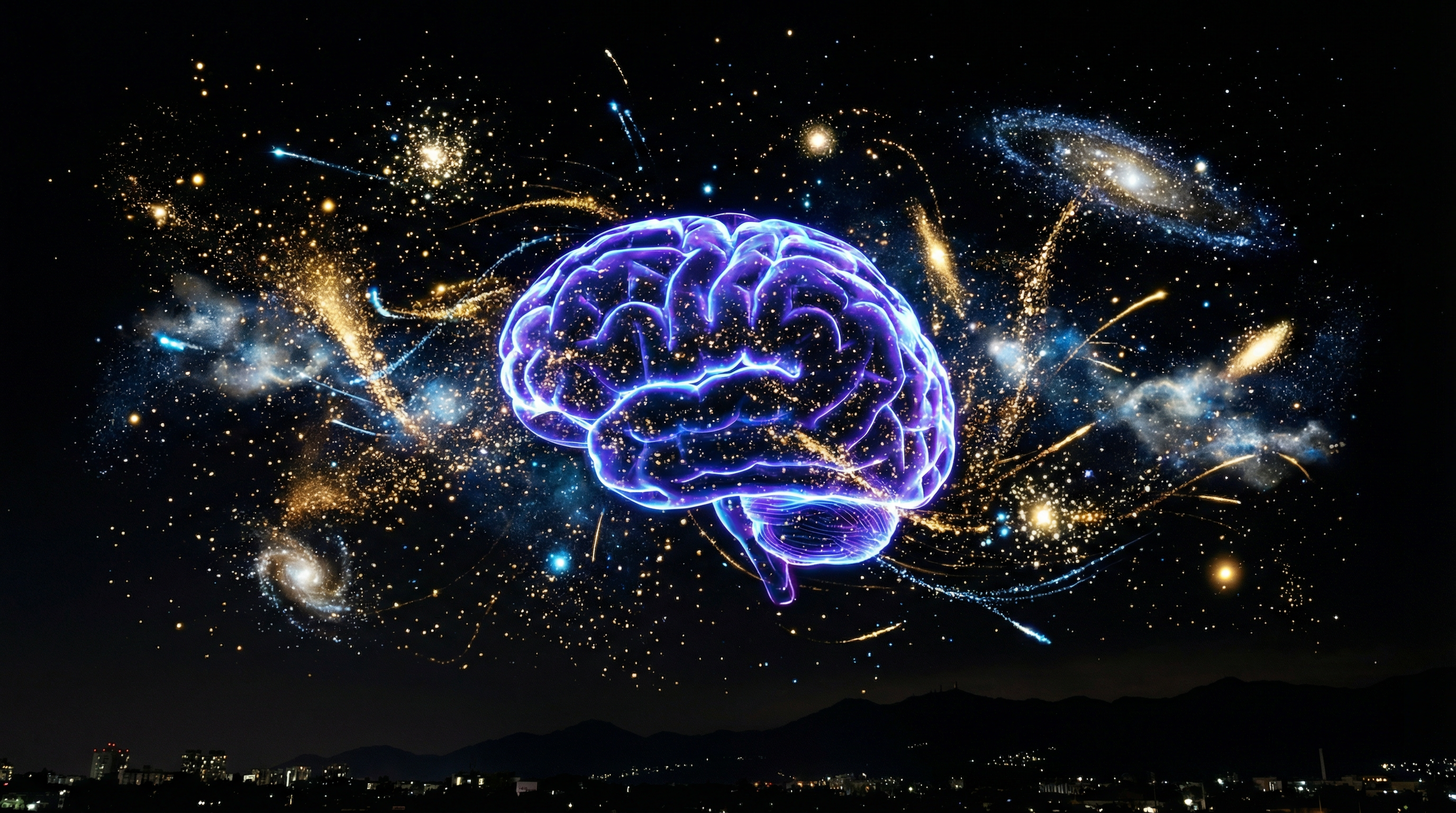
You’ve learned that your brain is a partnership between ancient impulses and modern logic. But what happens when we sleep? Why do our dreams sometimes act out these instincts uncontrollably?
Describe any idea in a sentence and Remee builds it for you — stories, games and quizzes on whatever you or your class are working on. Free to start, no card needed, and everything you make gets a link you can share anywhere.
Remee turns any idea into an illustrated story, a playable game, or an interactive quiz — at home or in the classroom.