 Lesson
This lesson examines the systemic impacts of extended longevity, moving from urban planning to global economic structures while correcting common misconceptions about aging.

Imagine if the average human healthspan doubled. Beyond just living longer, how would this shift the way we build our cities, manage resources, and plan for our collective future together?

Societal systems like education and career paths would evolve. Instead of a single 'learning phase' followed by 'work,' we would likely see a lifelong cycle of skill renewal and career changes.

Small towns might transform into centers for specialized research or sustainable living. As people live longer, they might choose to move between rural and urban hubs multiple times throughout life.
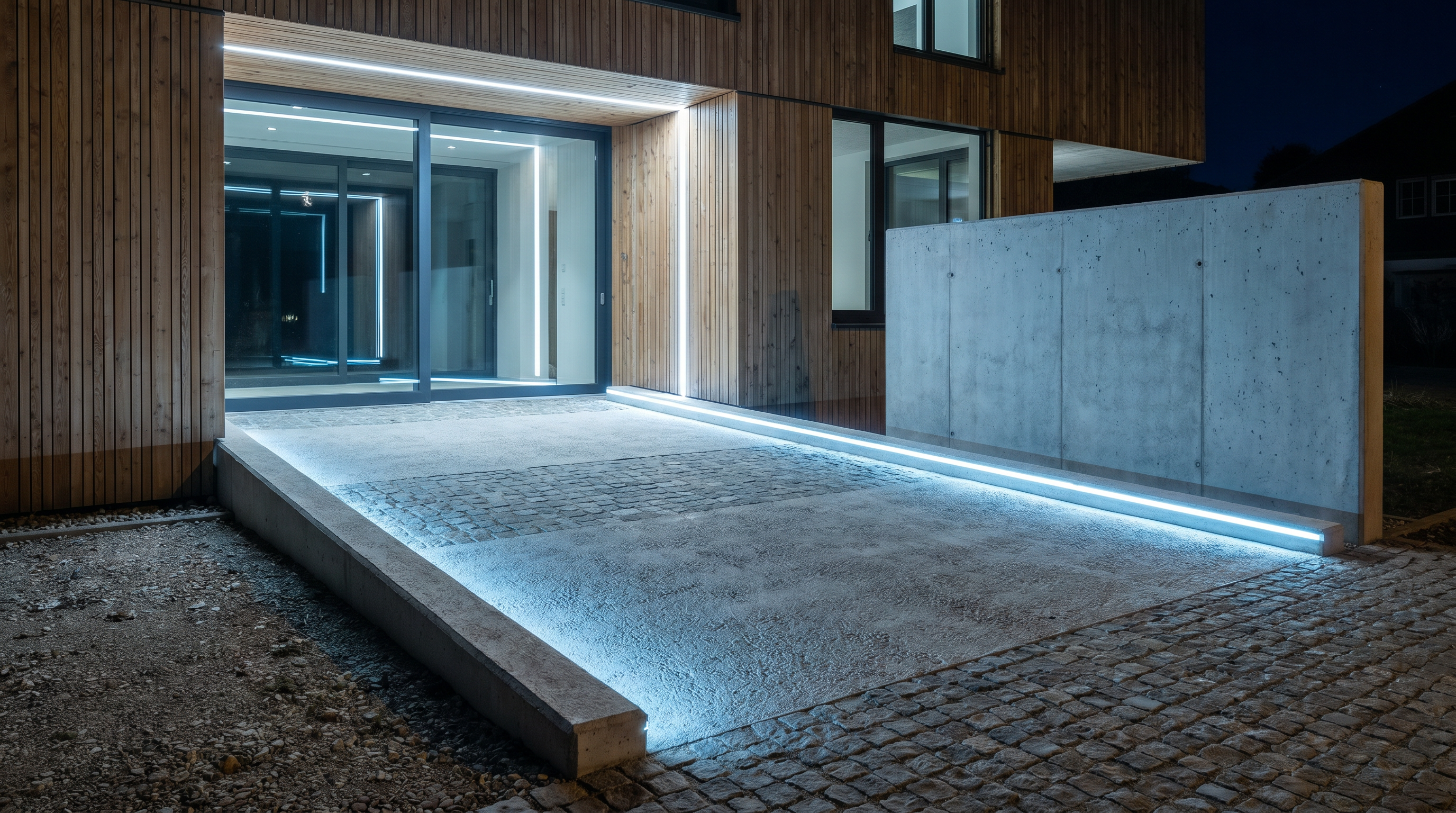
Observe your local community: how many buildings are designed for long-term accessibility? If our population lived healthier for 100 years, what infrastructure changes would be necessary to support them?

Global collaboration would become essential. With longer lives, countries would shift focus from short-term gains to long-term sustainability, as leaders would be accountable for their decisions for decades.

Many fear that longer lives mean 'stagnation.' Actually, historical data shows that longer lives often lead to more innovation, as people have more time to master complex, challenging subjects.

We’ve seen how longevity shifts systems. But here is the mystery: if we solve the biological problem of aging, how will our definition of 'time' itself change? That is a deep mystery.
Describe any idea in a sentence and Remee builds it for you — stories, games and quizzes on whatever you or your class are working on. Free to start, no card needed, and everything you make gets a link you can share anywhere.
Remee turns any idea into an illustrated story, a playable game, or an interactive quiz — at home or in the classroom.