 Lesson
This lesson explores the physical limits of silicon transistors and introduces promising future technologies like carbon nanotubes and quantum tunneling devices.
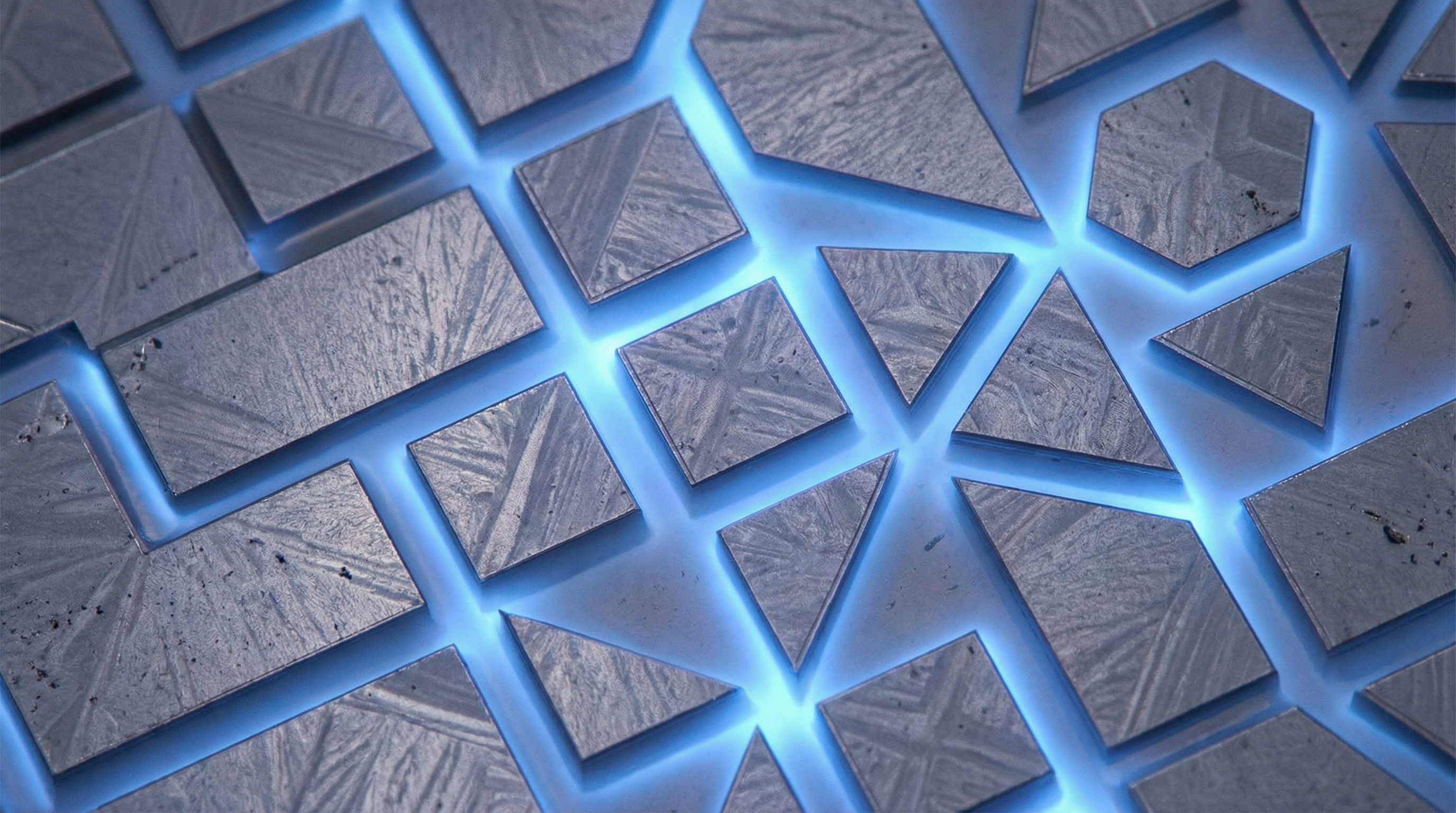
We have used light waves to etch tiny patterns on silicon for years, but what happens when those patterns become too small for electricity to flow through them reliably?
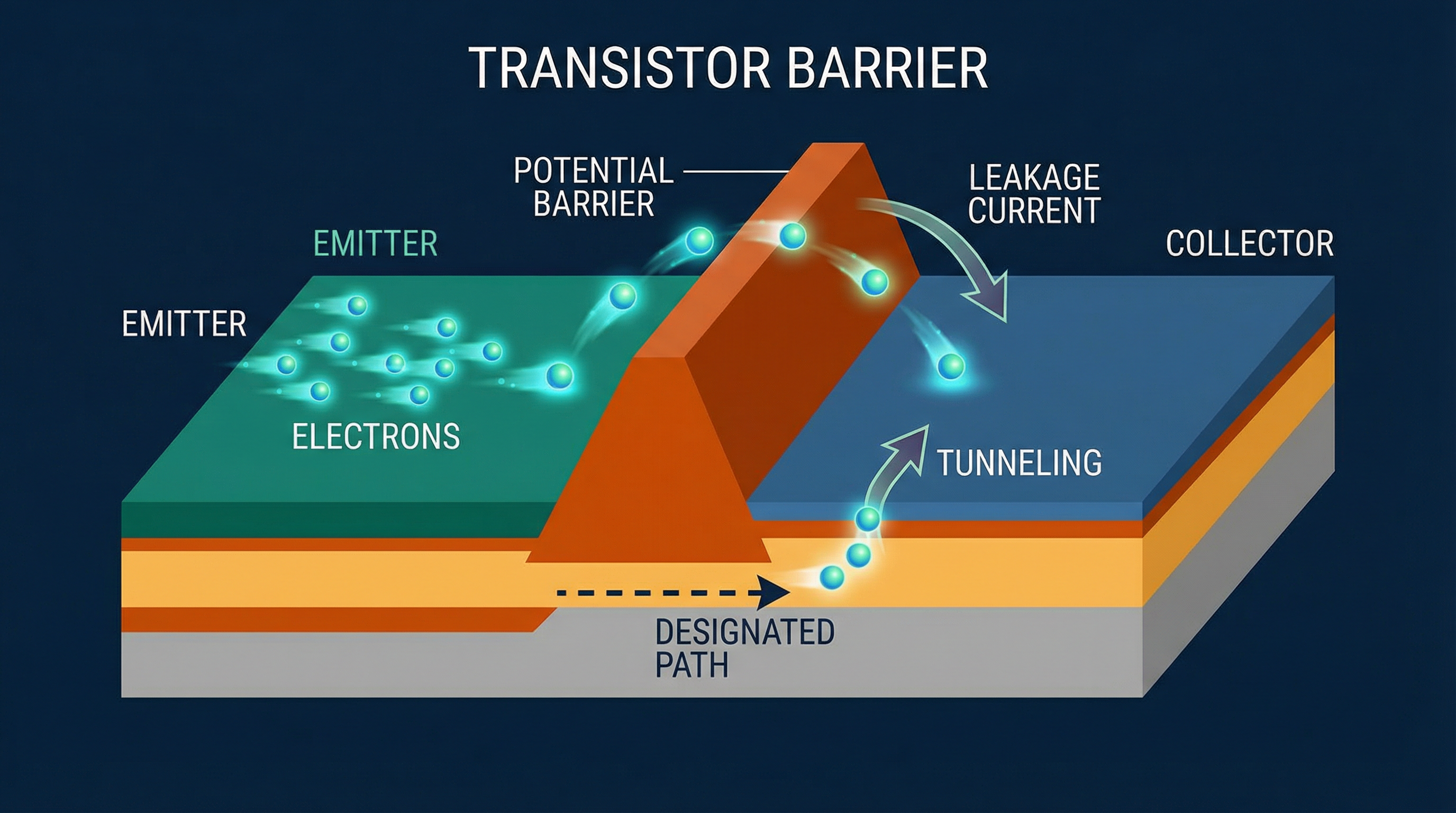
Silicon transistors are reaching their physical limit. As we shrink them, electrons start leaking across barriers they shouldn't pass, causing heat and errors in our digital logic.
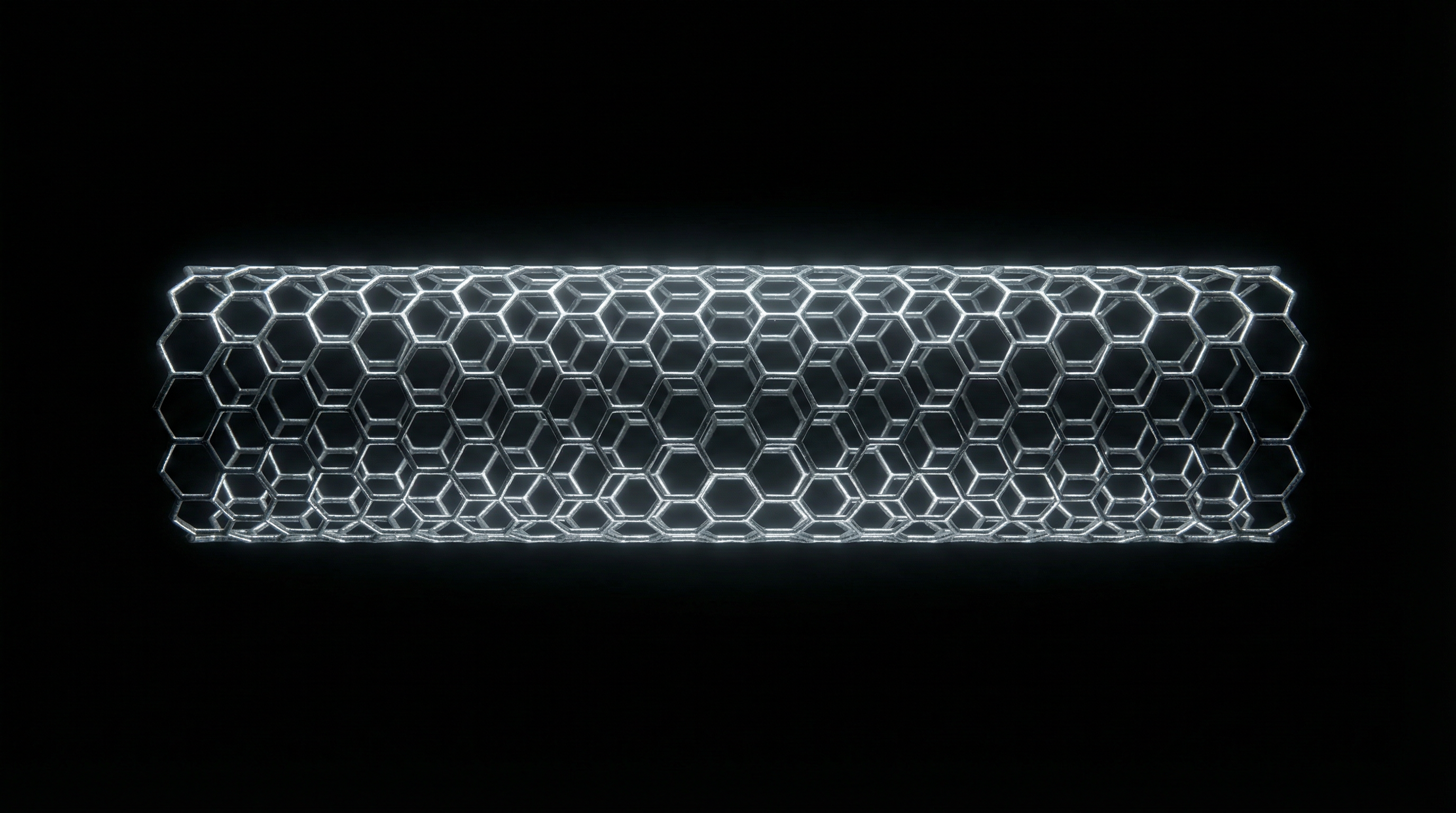
Scientists are looking at carbon nanotubes. These are thin cylinders of carbon atoms that can conduct electricity much more efficiently than silicon while staying incredibly small and strong.

If you look at how a light switch works, it is either on or off. Can you imagine a device that uses quantum states to be both on and off simultaneously?

Graphene is another big contender. It is a single layer of carbon atoms arranged in a flat, honeycomb pattern, allowing electrons to move through it at lightning-fast speeds.
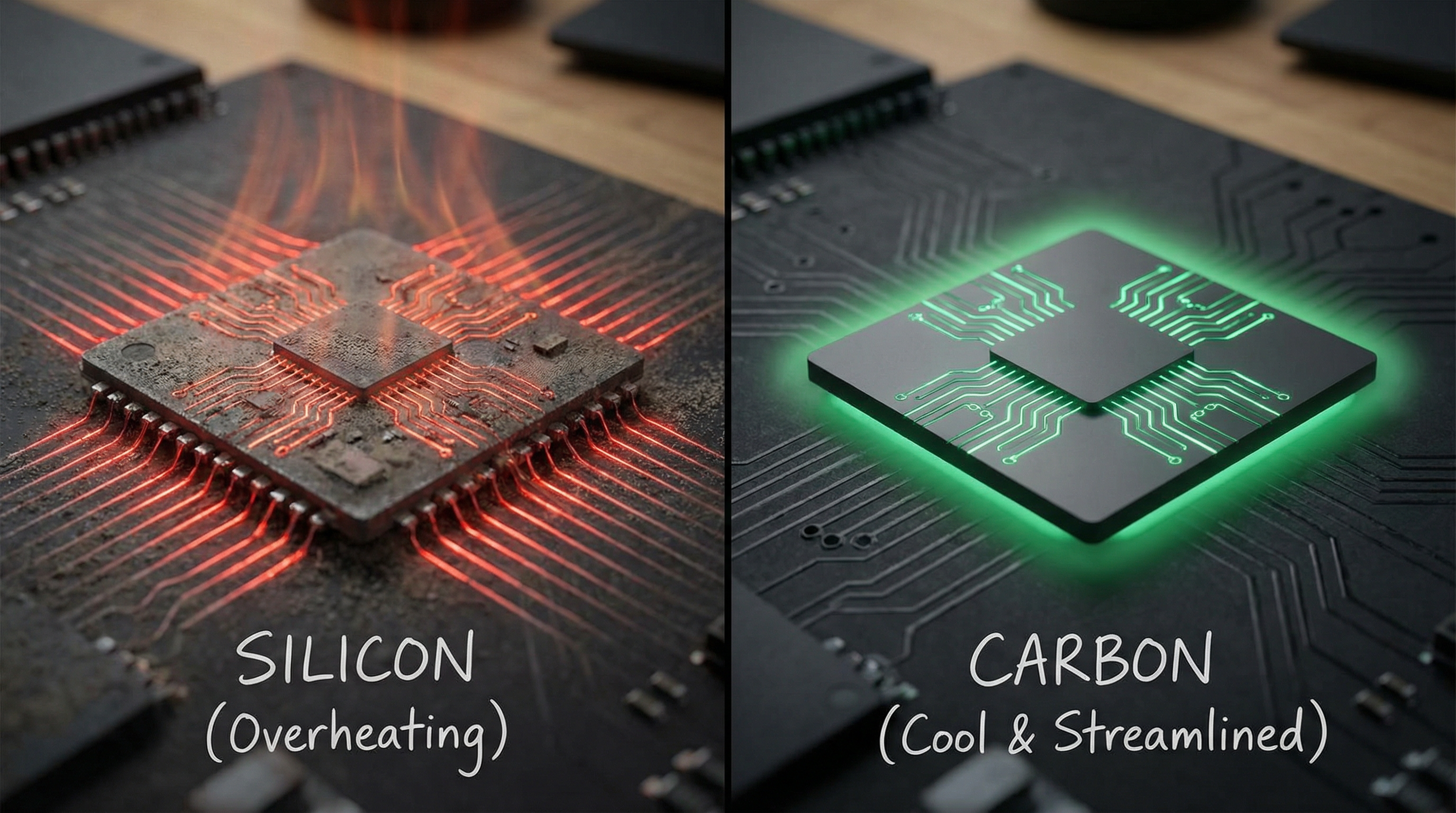
Many think newer chips just need to be smaller, but the real breakthrough is changing the material itself to handle higher speeds without melting from excess heat production.

We have explored carbon nanotubes and graphene, but could we eventually build computers out of biological molecules? That is a mystery for our next deep dive into computing.
Describe any idea in a sentence and Remee builds it for you — stories, games and quizzes on whatever you or your class are working on. Free to start, no card needed, and everything you make gets a link you can share anywhere.
Remee turns any idea into an illustrated story, a playable game, or an interactive quiz — at home or in the classroom.